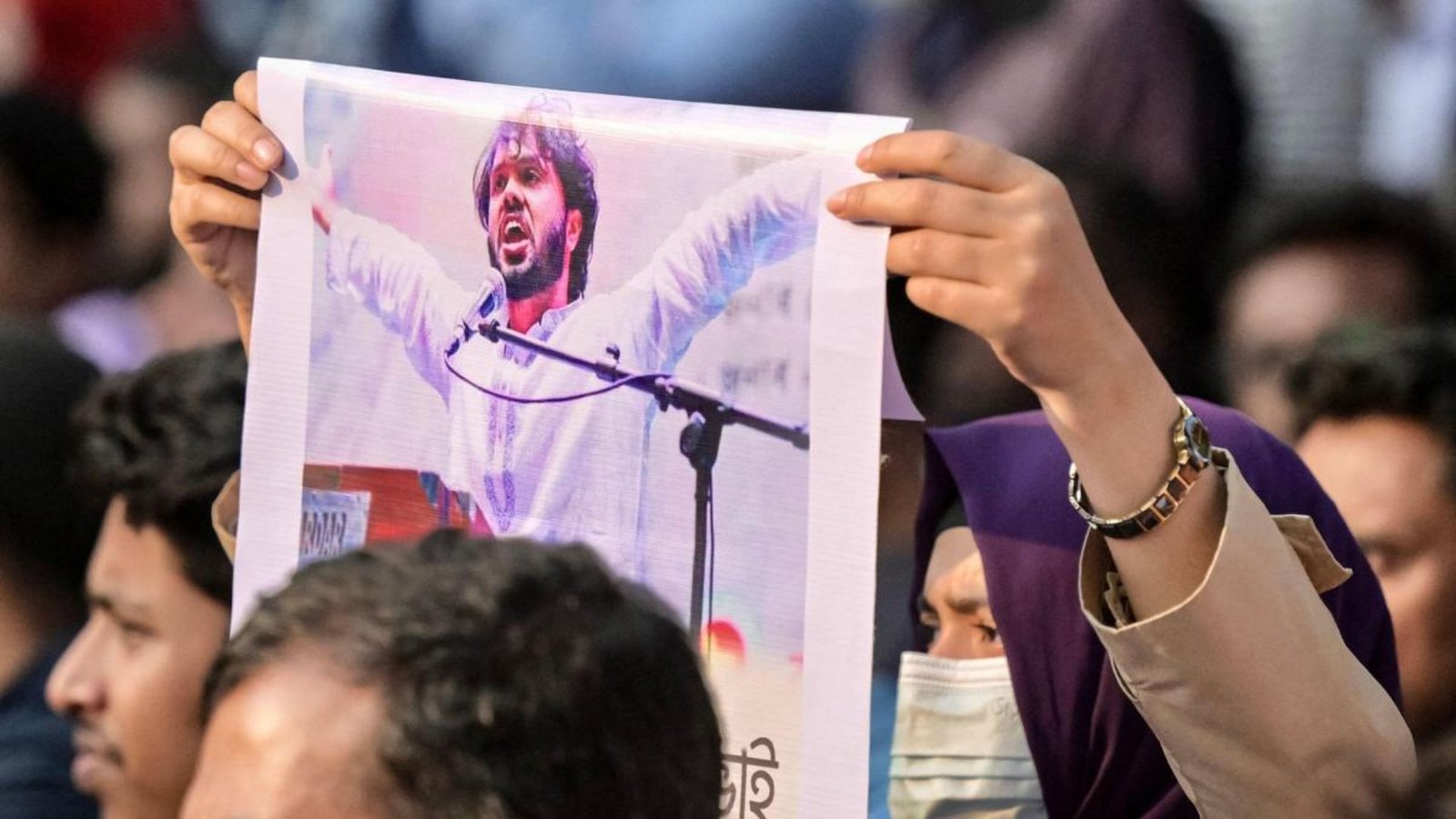
Dhaka has been gripped by protests following the death of Sharif Osman Hadi, a radical group leader whose demise has sparked demonstrations across the Bangladeshi capital. The unrest highlights the volatile security situation in the region and raises concerns about potential escalation of tensions.
Authorities are closely monitoring the situation as protesters gather in various parts of the city, demanding justice and expressing grievances related to Hadi’s death. The circumstances surrounding his passing remain under investigation, with law enforcement agencies working to maintain order while addressing the underlying causes of the public outcry.
The protests have drawn attention to the broader context of religious and political dynamics in Bangladesh, where extremist groups have periodically challenged the country’s secular framework. Hadi’s role as a radical leader positioned him at the center of these tensions, making his death a catalyst for mobilization among his followers and sympathizers.
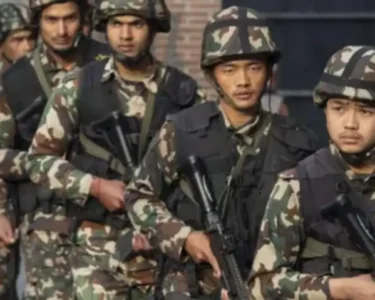
Local media reports indicate that security forces have been deployed to key locations throughout Dhaka to prevent the situation from deteriorating further. Traffic disruptions have been reported in several areas, affecting daily life for residents and commuters.
The Bangladeshi government faces the dual challenge of maintaining law and order while addressing the legitimate concerns of citizens who may feel marginalized or aggrieved. Balancing security imperatives with respect for civil liberties remains a delicate task for authorities.
Human rights organizations are closely observing developments, emphasizing the need for transparent investigations and accountability measures. The international community has also expressed concern about stability in the region, recognizing Bangladesh’s strategic importance in South Asia.
Economic implications cannot be overlooked, as prolonged unrest could disrupt business activities and deter foreign investment. The country’s growing economy, which has shown resilience in recent years, may face headwinds if political instability persists.
The current situation underscores the complex interplay between religious extremism, political governance, and social stability in Bangladesh. How authorities navigate these challenges will likely influence the country’s trajectory in the coming months and years.
As investigations continue, citizens await clarity on the circumstances surrounding Hadi’s death and the government’s response to the ensuing protests. The resolution of this crisis will test Bangladesh’s democratic institutions and their capacity to manage dissent while upholding the rule of law.
Image Source: Google | Image Credit: Respective Owner