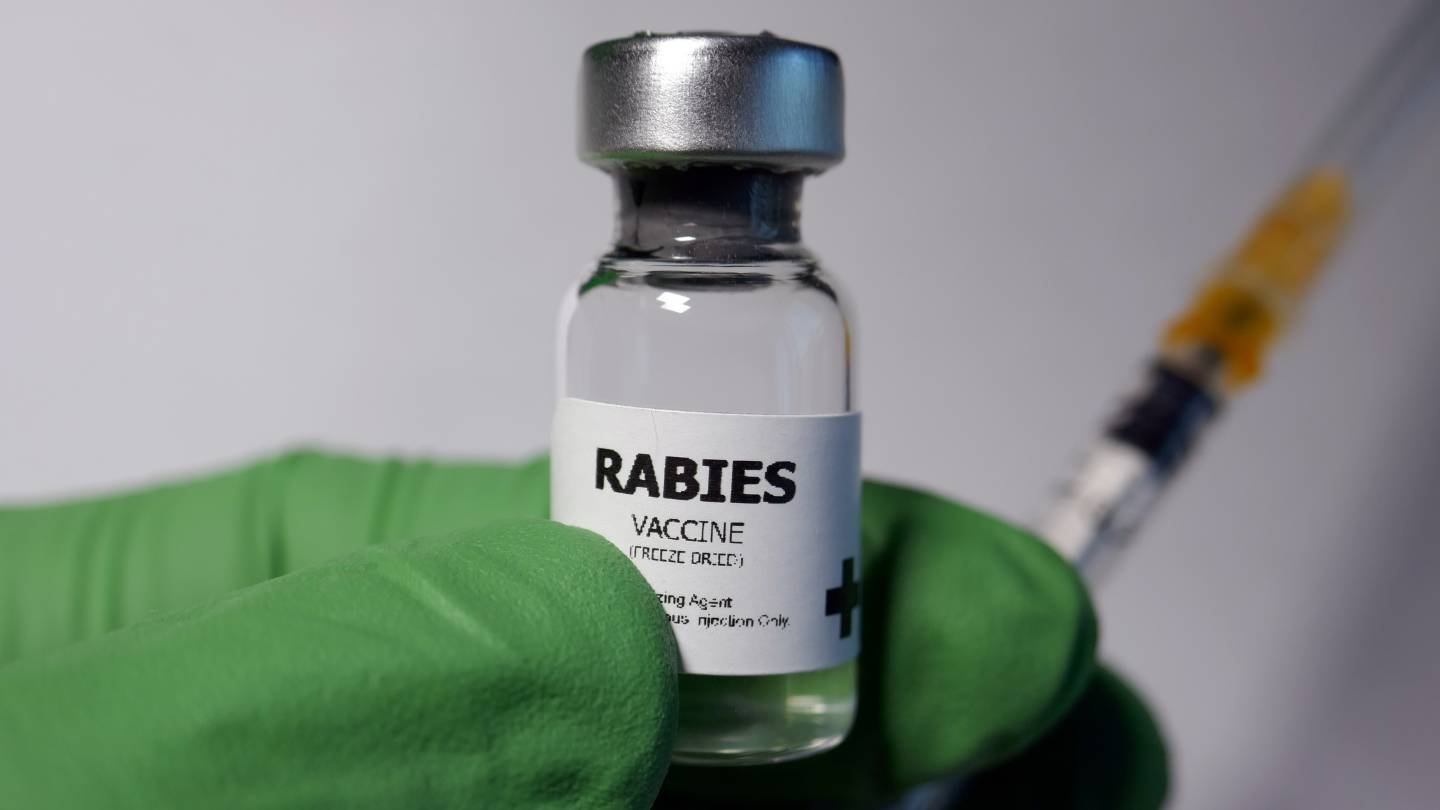
The Centers for Disease Control and Prevention (CDC) says it is monitoring a surge in rabies cases across the United States, with 15 likely outbreaks currently under surveillance from New York to Oregon.
Over the past year, six human deaths from rabies have been reported — the highest annual toll in years. Wildlife infections have been confirmed in states including Arizona, California, Indiana, Kentucky, Maine, North Carolina, Oregon, Vermont, and Alaska.
Rabies Season Peaks
“Whether these numbers represent a true increase, we’ll know by the end of the year,” said Dr. Ryan Wallace, head of the CDC’s rabies team. “But right now, at peak rabies season, activity does seem higher.”
Reports include rabid skunks in Kentucky, raccoons on Long Island, and foxes in Arizona. Bats remain the leading cause of human rabies infections, and are the species most often found carrying the virus nationwide.
Each year, around 1.4 million Americans are evaluated for possible exposure, and 100,000 receive the vaccine series to prevent illness.
How Rabies Spreads
Rabies attacks the central nervous system and is almost always fatal once symptoms begin. Early signs can appear within days or months of exposure, resembling the flu before progressing to confusion, paralysis, hallucinations, and death.
Humans are most often exposed through the saliva of an infected animal, typically via a bite. Prior to the 1960s, dog bites were the main source, but strict vaccination programs have eliminated the canine strain in the U.S.
Urban Growth and Rising Risks
In Franklin County, North Carolina, confirmed rabies cases in wildlife doubled this year. Health director Scott LaVigne said urban expansion has pushed animals closer together, making transmission more likely.
Encounters don’t always match expectations: some infected animals may appear friendly rather than aggressive. In one case, a family unknowingly petted a rabid raccoon before tests confirmed the infection. All family members had to undergo emergency vaccination.
Concerns Over Pet Vaccinations
Veterinarians are increasingly worried about vaccine hesitancy among pet owners. A 2023 survey found nearly 40% of Americans believed canine vaccines were unsafe, while 37% thought they could cause cognitive problems such as “autism” in dogs.
Dr. Gabriella Motta, a Pennsylvania veterinarian, warned:
“If vaccination rates keep falling, we could see rabies in more pets — and then in people. We’re starting to sound the alarms.”
Prevention Still Effective
Rabies vaccines given immediately after exposure are nearly 100% effective. Today, the treatment involves an antibody injection followed by four doses of vaccine in the arm, replacing the older and more painful abdominal injections.
Health officials stress that rabies should be suspected whenever wild animals act abnormally — whether aggressive, fearless, or unusually tame.
Source: CDC / NBC News
Image Credit: Respective Owner