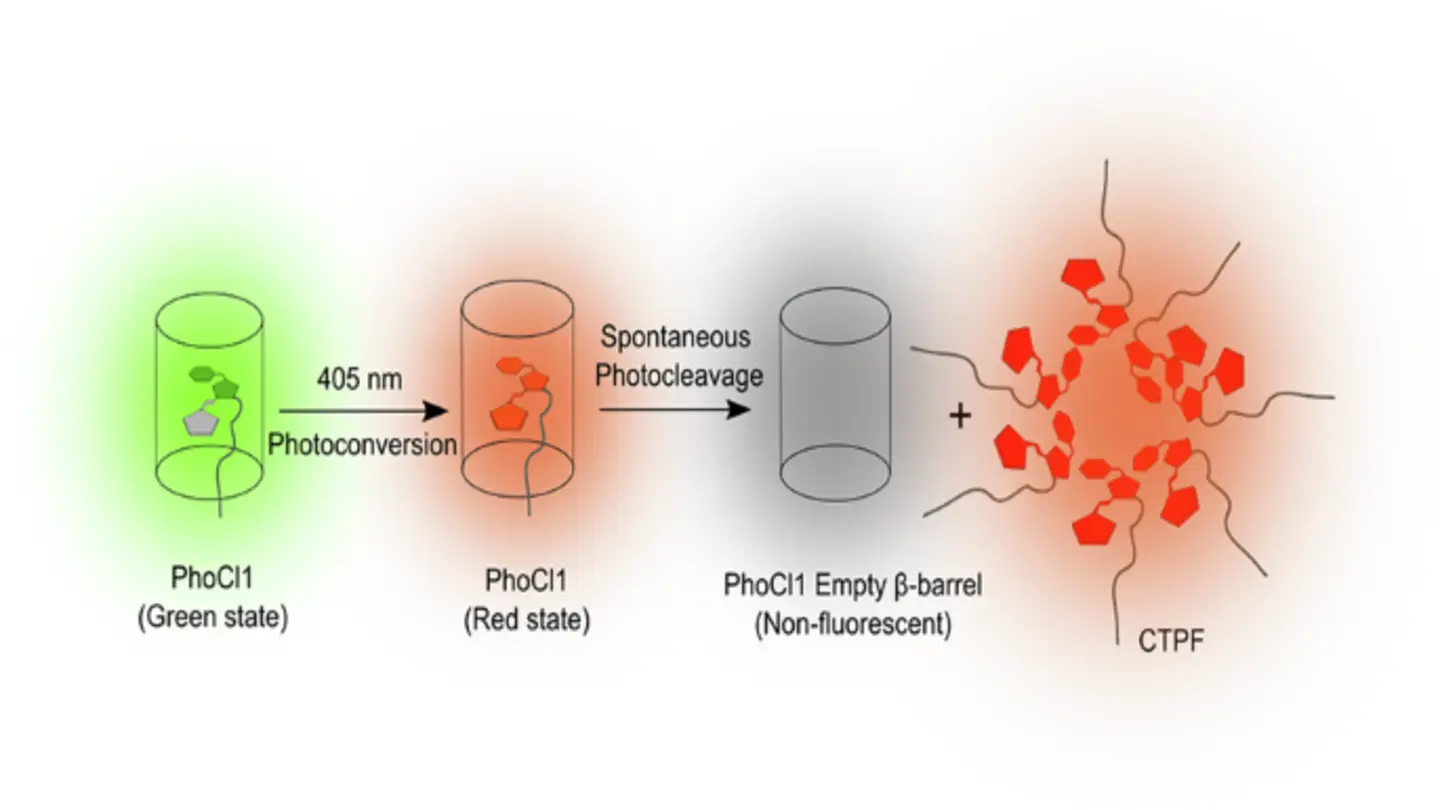
New Delhi – Researchers in India have discovered a naturally occurring, photoactive protein with the potential to dramatically alter the landscape of electronic materials. The Department of Science and Technology (DST) highlighted the breakthrough, suggesting it could pave the way for more sustainable and efficient electronic devices.
The protein, identified as a modified form of phytochrome, exhibits remarkable light-responsive properties. Phytochrome is naturally found in plants and bacteria, playing a crucial role in sensing light and regulating various biological processes. However, the modified version, developed by the research team, demonstrates enhanced stability and a broader range of photoactivity, making it suitable for technological applications.
Traditionally, electronic materials rely heavily on rare and often environmentally damaging elements. This discovery offers a compelling alternative, utilizing a readily available, biocompatible, and biodegradable resource. The potential applications are vast, spanning areas like organic photovoltaics, optical computing, and advanced sensors.
“This research opens up exciting possibilities for creating a new generation of electronic devices that are not only high-performing but also environmentally friendly,” stated a DST official. “The use of natural proteins reduces our dependence on scarce resources and minimizes the ecological footprint of electronics manufacturing.”
How it Works
The key to the protein’s functionality lies in its ability to change its molecular structure when exposed to light. This structural change alters its electrical conductivity, allowing it to act as a switch or a component in a circuit. Researchers have successfully demonstrated the protein’s ability to control the flow of electrons with high precision and speed.
The team focused on enhancing the protein’s stability, a common challenge with biological materials in technological settings. Through genetic engineering and careful optimization of the protein’s environment, they were able to significantly improve its resistance to degradation, ensuring its long-term performance in electronic devices. Further research is focused on scaling up production and integrating the protein into functional prototypes.
The implications extend beyond simply replacing existing materials. The unique properties of the protein could enable the development of entirely new types of electronic devices with functionalities not achievable with conventional semiconductors. For example, the protein’s biocompatibility makes it an ideal candidate for bioelectronics—devices that interface directly with biological systems.
While still in the early stages of development, this research represents a significant step towards a more sustainable and innovative future for the electronics industry. The DST is actively encouraging collaboration between researchers and industry partners to accelerate the translation of this discovery into real-world applications. The team anticipates that prototype devices utilizing this protein-based material could be available within the next few years, marking a turning point in the field of electronic materials.
The research has been published in a leading scientific journal and has garnered considerable attention from the global scientific community. Experts believe that this breakthrough could inspire further exploration of naturally occurring biomolecules for use in advanced technologies.
Image Source: Google | Image Credit: Respective Owner