Project Overview
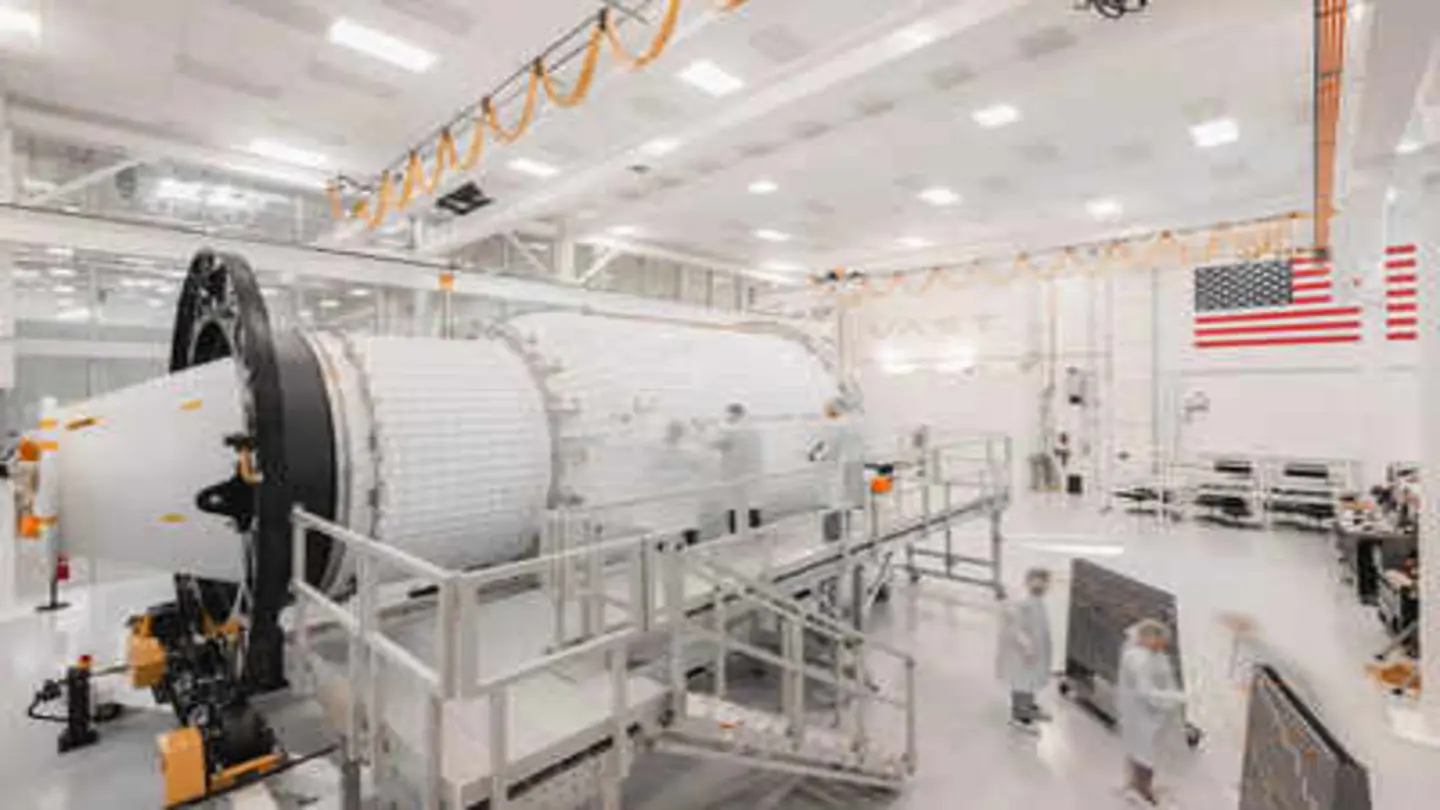
Private Haven 1 station is a fully commercial orbital outpost designed to sustain crew, conduct research, and support tourism after the International Space Station (ISS) reaches the end of its service life. Announced by a joint venture of Indian aerospace firms and international partners, the station aims to replace the ISS’s scientific platform with a modular structure that can grow over time. Unlike legacy government stations, Haven 1 will be owned and operated by private entities, providing flexible access for both state programs and private payloads.
Technical Architecture
The core station consists of four docked modules linked by a central truss. The command module houses flight control, life-support systems, and a docking port for future expansions. The research hub provides vibration-free benches, cryogenic storage, and optical labs for microgravity experiments ranging from protein crystal growth to quantum-sensor calibration. A habitat module supplies sleeping pods, a galley, and an exercise facility tailored for up to six crew members. The fourth module, a commercial cargo bay, enables on-orbit manufacturing, 3-D printing, and assembly of satellite components before deployment.
NASA Collaboration
Haven 1 has secured a Commercial Low-Earth-Orbit Destination (CLD) contract with NASA valued at $1.6 billion, covering design, development, and operation for a minimum ten-year period. In exchange, the private consortium will deliver a station capable of hosting scientific experiments, technology demonstrations, and commercial services such as space-tourism flights. NASA will contribute expertise in life-support, orbital insertion slots, and crew training while preserving its role in national security and scientific oversight.
Research & Business Hub
The research hub will prioritize protein crystal growth, quantum-sensor calibration, and long-duration human physiology studies. Findings could speed drug discovery, improve high-precision manufacturing, and refine navigation systems for deep-space missions. The cargo bay will allow startups to produce satellite parts directly in orbit, cutting launch costs and enabling rapid repairs. A tourism module can accommodate up to three paying guests per mission, offering a ten-day microgravity experience paired with live scientific demonstrations.
Operational Timeline
Nasa’s current ISS schedule extends operations to at least 2030, with a controlled de-orbit after that. Haven 1’s maiden launch is targeted for no later than 2028, giving a two-to-three-year integration window before the ISS retirement. Once operational, the station will orbit at roughly 420 km altitude, serving as the primary LEO destination for governmental and commercial partners. If timelines hold, Haven 1 could become the first fully private outpost to sustain a continuous six-person crew for decades, effectively supplanting the ISS legacy.
Global Impact
Haven 1 signals a shift in the space economy, proving that Indian companies can deliver senior-tier orbital infrastructure without reliance on government subsidies. Its modular design, advanced propulsion, and revenue-sharing partnership with NASA set a precedent for future private stations around the Moon and beyond. Success could spur a wave of commercial outposts that serve scientific, industrial, and tourism needs, reshaping international cooperation and creating new pathways for humanity’s expansion into deep space.
Image Source: Google | Image Credit: Respective Owner