A leading doctor is raising awareness about the often-overlooked warning signs of bone loss in premenopausal women. Osteoporosis, traditionally associated with postmenopausal women, can affect younger individuals, often going undiagnosed until a fracture occurs. This delayed diagnosis can have significant implications for long-term bone health.
Understanding Bone Loss in Premenopausal Women
Several factors can contribute to bone loss in premenopausal women. These include genetic predispositions, certain medical conditions, and lifestyle choices. Conditions like celiac disease, inflammatory bowel disease, and hyperthyroidism can interfere with calcium absorption or bone metabolism. Additionally, medications like corticosteroids can weaken bones. Lifestyle factors such as inadequate calcium and vitamin D intake, lack of weight-bearing exercise, smoking, and excessive alcohol consumption also play a crucial role.
Early detection is crucial for managing bone loss effectively. The doctor emphasizes the importance of recognizing potential warning signs, which can be subtle and easily dismissed. These signs include unexplained bone pain, recurrent fractures from minor injuries, a decrease in height, and poor posture. It’s essential for women experiencing these symptoms to consult a healthcare professional for evaluation.
Diagnostic Tools and Treatment Options
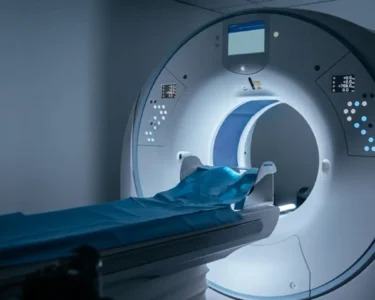
Diagnosis typically involves a bone density scan, also known as a dual-energy X-ray absorptiometry (DEXA) scan. This non-invasive test measures bone mineral density and can identify osteoporosis or osteopenia (low bone density) before a fracture occurs. Based on the scan results, a doctor can recommend appropriate treatment options. These may include lifestyle modifications, such as increasing calcium and vitamin D intake through diet and supplements, engaging in regular weight-bearing exercise like walking, jogging, or weightlifting, and quitting smoking. In some cases, medication may be necessary to slow down bone loss and increase bone density.
The doctor stresses the importance of a holistic approach to bone health, encompassing both medical interventions and lifestyle changes. A balanced diet rich in calcium and vitamin D, combined with regular exercise, can significantly improve bone health and reduce the risk of fractures. Furthermore, addressing underlying medical conditions and avoiding risk factors like smoking and excessive alcohol consumption are crucial for maintaining strong bones throughout life. By raising awareness and promoting proactive measures, healthcare professionals aim to empower premenopausal women to take control of their bone health and prevent the debilitating consequences of osteoporosis.
Ultimately, being informed and proactive is key to preserving bone health. If you suspect you may be at risk, consult your doctor for a thorough assessment and personalized recommendations.
Image Source: Google | Image Credit: Respective Owner