Key Findings
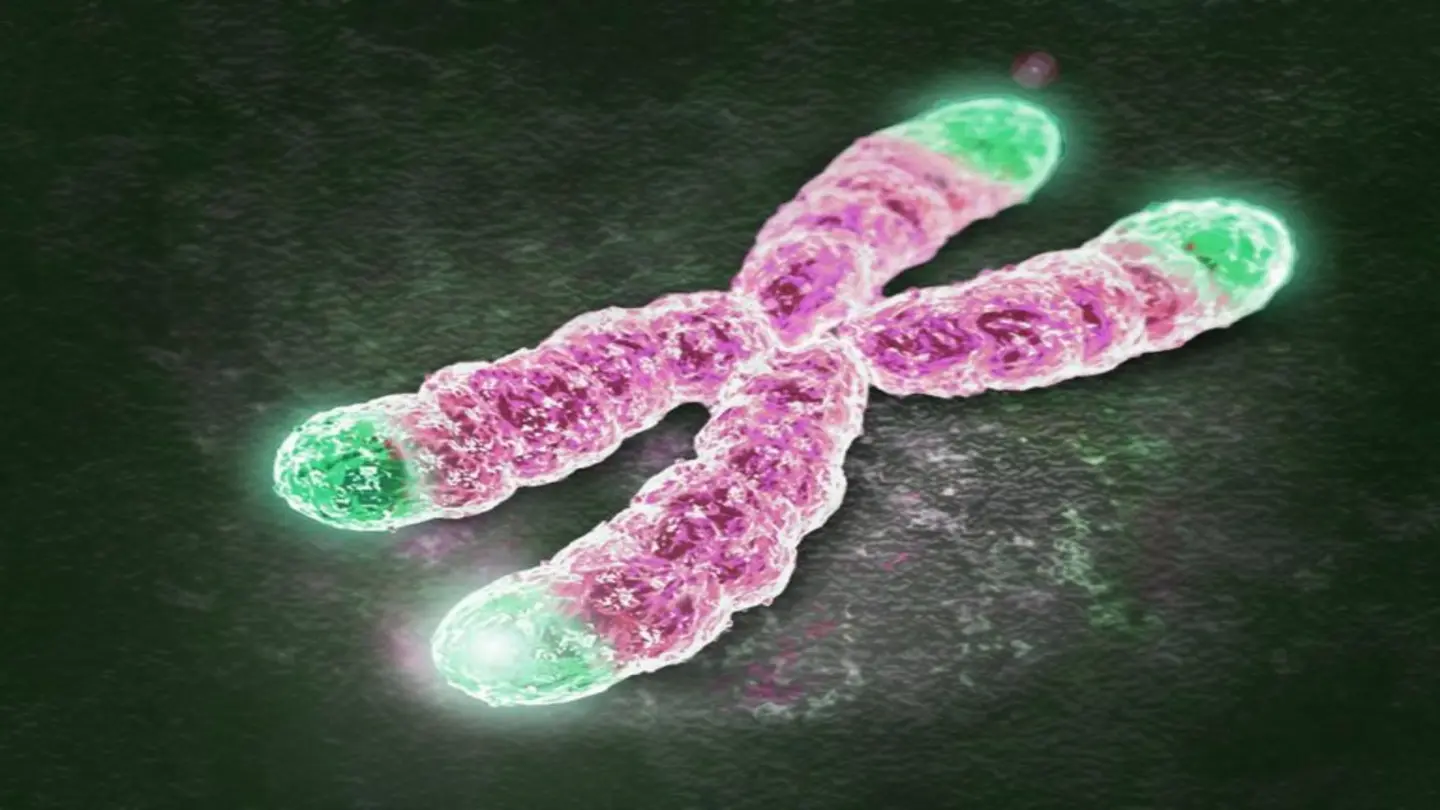
A groundbreaking study published in the Journal of Gerontology has sparked widespread discussion by suggesting that pregnancy may accelerate biological aging in women. Researchers analyzed data from over 10,000 participants across various age groups, examining telomere length—a biomarker of cellular aging—before, during, and after pregnancy. The findings indicate that women who carry a full-term pregnancy may experience a measurable reduction in telomere length, equivalent to approximately 3.5 years of accelerated aging.
Lead researcher Dr. Ananya Sharma explained, “Telomeres protect chromosomes from deterioration during cell division. Our data shows that the physiological stress of pregnancy, including hormonal fluctuations and increased metabolic demands, can lead to faster telomere shortening.” The study tracked women from early pregnancy through postpartum periods, controlling for lifestyle factors such as diet, exercise, and smoking habits.
The research team caution that these findings do not establish causation, but highlight potential mechanisms. Oxidative stress, inflammation, and altered immune function during pregnancy are cited as possible contributors to cellular aging. Dr. Sharma noted, “Pregnancy is a complex biological process. While our results suggest a link, individual outcomes may vary significantly based on genetic predisposition and overall health.”
Experts emphasize that the study underscores the importance of prenatal care. “Ensuring adequate nutrition, managing stress, and maintaining healthy lifestyles during pregnancy could mitigate some risks associated with accelerated aging,” said Dr. Linda Carter, a maternal health specialist unaffiliated with the study. “This research shouldn’t deter women from pursuing motherhood but should encourage more comprehensive support systems.”
The implications extend beyond individual health. If replicated in larger populations, these findings could influence policies regarding maternal leave, workplace accommodations, and long-term healthcare planning. Some researchers suggest further investigation into whether the observed effects persist across multiple pregnancies or vary with age at conception.
Critics point out limitations, including reliance on telomere length as a proxy for aging and the challenge of isolating pregnancy effects from other life stressors. However, supporters argue the study provides valuable insights into the long-term health impacts of reproductive experiences. Future research may explore interventions to protect telomere integrity during pregnancy, potentially through targeted supplementation or stress-reduction techniques.
As discussions continue, the scientific community awaits replication of these results in diverse demographics. For now, women are advised to consult healthcare providers about maintaining optimal health before, during, and after pregnancy to support both immediate and long-term well-being.
Image Source: Google | Image Credit: Respective Owner