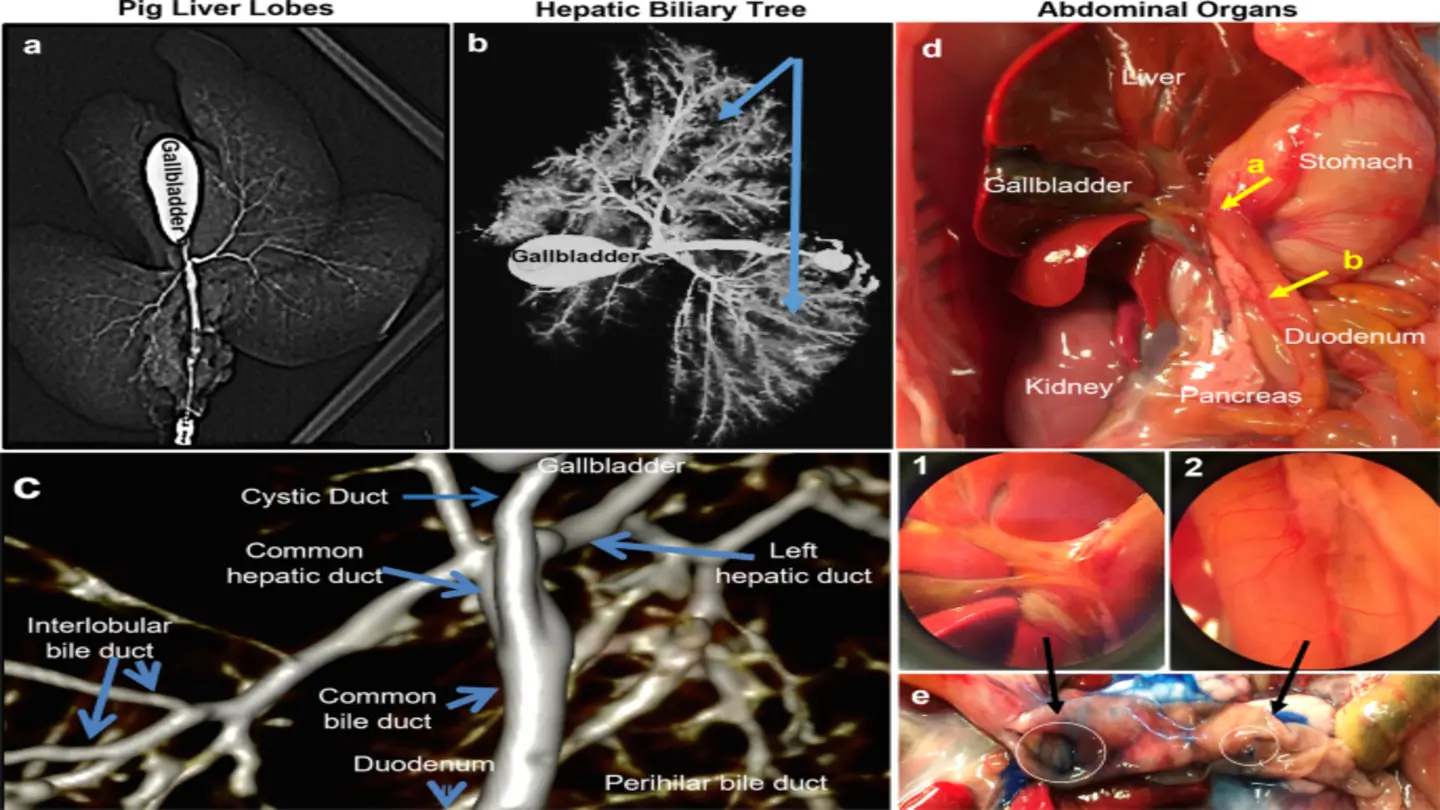
Researchers have successfully benchmarked porcine pancreatic ductal organoids for drug screening applications, marking a significant advancement in preclinical drug development. The study, published by EMBO Press, details the creation and characterization of these organoids, which closely mimic the structure and function of the porcine pancreas. This provides a more physiologically relevant model compared to traditional cell lines, potentially leading to more accurate and reliable drug testing results.
Organoids, three-dimensional cell cultures that replicate the complex architecture of organs, are increasingly being used in biomedical research. Pancreatic ductal organoids, in particular, hold promise for studying pancreatic diseases such as pancreatitis and pancreatic cancer. However, the use of human-derived organoids can be limited by availability and ethical considerations. Porcine organoids offer a viable alternative due to the anatomical and physiological similarities between pig and human pancreases.
The research team developed a robust protocol for generating porcine pancreatic ductal organoids from healthy pig tissue. These organoids were characterized using various techniques, including microscopy, gene expression analysis, and functional assays. The results showed that the organoids exhibit key features of pancreatic ductal cells, such as the expression of specific markers and the ability to secrete digestive enzymes.
Drug Screening Applications
One of the primary goals of this study was to assess the suitability of porcine pancreatic ductal organoids for drug screening. The researchers tested the response of the organoids to a panel of compounds known to affect pancreatic function. The organoids exhibited dose-dependent responses to these compounds, demonstrating their ability to predict drug efficacy and toxicity. These findings suggest that porcine pancreatic ductal organoids could be a valuable tool for identifying novel drug candidates for pancreatic diseases.
Furthermore, the researchers explored the potential of using these organoids to model pancreatic cancer. By introducing genetic mutations associated with pancreatic cancer into the organoids, they were able to create models that recapitulate some of the key features of the disease. These models could be used to study the mechanisms of cancer development and to test the effectiveness of different treatment strategies.
Future Directions
The study highlights the potential of porcine pancreatic ductal organoids as a preclinical model for drug screening and disease modeling. While further research is needed to fully validate their use, these organoids offer several advantages over existing models. They are relatively easy to generate, can be produced in large quantities, and closely mimic the human pancreas. As organoid technology continues to advance, porcine pancreatic ductal organoids are likely to play an increasingly important role in biomedical research and drug development, potentially accelerating the discovery of new treatments for pancreatic diseases.
The research team plans to further refine their organoid model and to investigate its utility in personalized medicine. By creating organoids from individual patients, it may be possible to predict their response to different treatments and to tailor therapy accordingly. This approach holds great promise for improving the outcomes of patients with pancreatic diseases.
Image Source: Google | Image Credit: Respective Owner