Renaming Ceremony
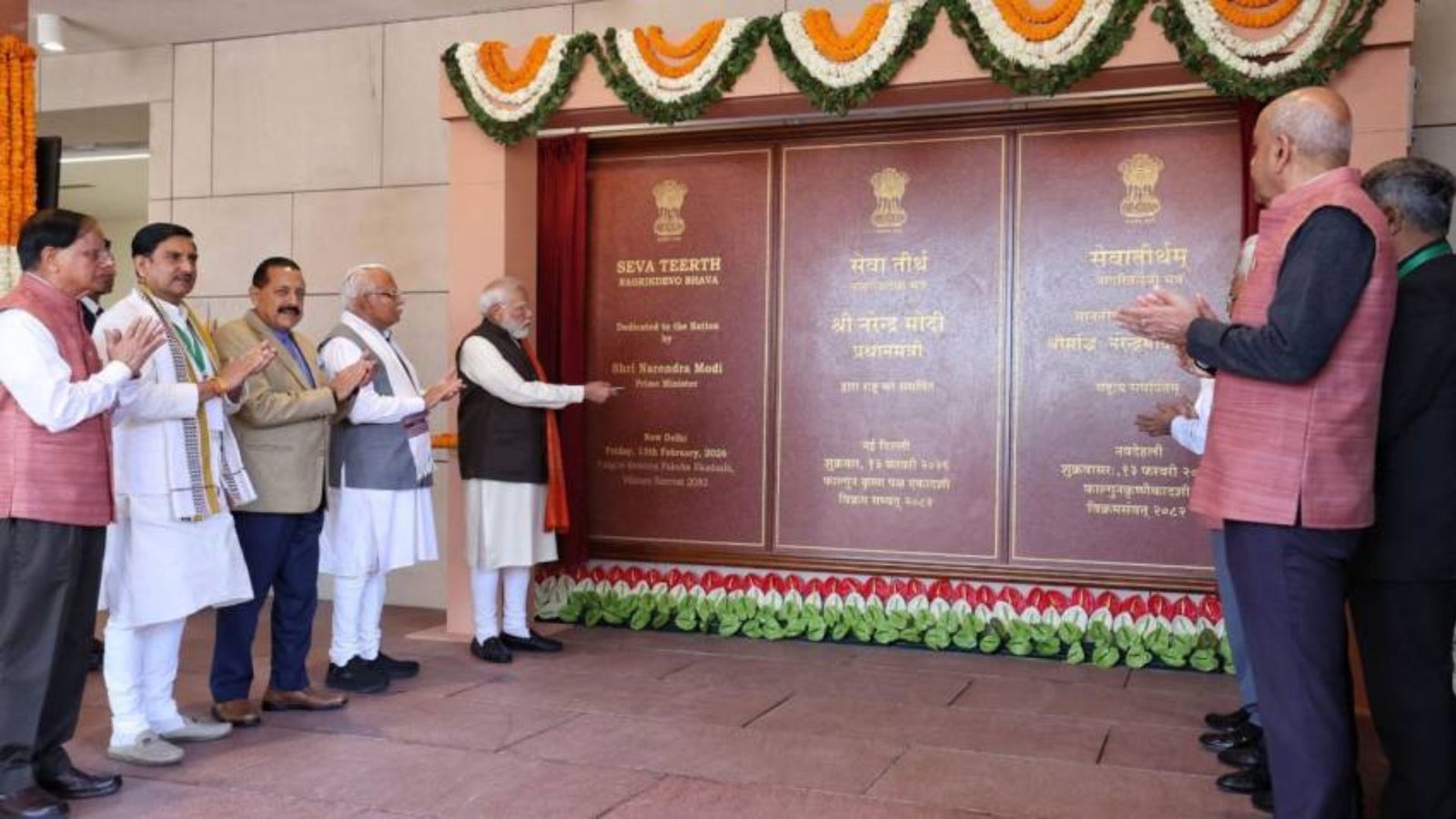
Prime Minister Narendra Modi unveiled the new name of the Prime Minister’s Office during a solemn ceremony at 7 Lok Kalyan Marg, Delhi. The office has been christened ‘Seva Teerth’, a phrase meaning ‘sacred pilgrimage of service’, in line with the prime minister’s emphasis on duty‑bound leadership. The renaming was accompanied by a plaque inscribed in Sanskrit, English and Hindi, symbolizing a blend of tradition and modernity. President Droupadi Murmu, senior ministers and a host of diplomatic guests attended the event, underscoring its national significance. Modi highlighted that the name will serve as a constant reminder for officials to pursue public service with humility.
Museum Conversion
The historic North and South blocks, previously known as the Prime Minister’s residential quarters, are set to become a permanent heritage museum. An architectural firm retained the original Indo‑Saracenic façade while installing climate‑controlled galleries, digital kiosks and exhibition spaces. Themes will trace India’s democratic evolution, economic reforms under Modi, and cultural milestones. Artefacts include handwritten policy notes, personal memorabilia such as Modi’s signature pens and a replica of the 2014 election victory cake. Visitors will experience virtual‑reality tours of Parliament and the nation’s space missions. An education wing will host school tours, civic workshops and interactive QR‑coded archives.
Public Access Plan
The museum will open to the public once safety clearances are obtained from the National Building Code. Entry will be free for school groups and senior citizens, while a modest fee will cover general visitors. A biometric visitor‑management system, supported by a real‑time crowd dashboard, will ensure smooth flow and security compliance. QR codes placed throughout the galleries will link to digital archives and interactive timelines. The outreach team plans collaborations with state governments to embed local histories, fostering a pan‑national narrative of service.
Political Reactions
The renaming and museum conversion have drawn mixed reactions from political analysts. Supporters argue that linking the Prime Minister’s office with a museum of service enhances democratic transparency and educates citizens about governance. Critics, however, view the initiative as a political branding exercise that could politicize cultural institutions. Opposition leaders have called for a bipartisan oversight committee to ensure historical neutrality. Meanwhile, civic groups welcome the plan as a step toward making the executive wing more accessible, citing precedents from other democratic nations.
Conclusion
The new ‘Seva Teerth’ initiative reflects a broader vision to integrate public service with cultural preservation. By turning former private quarters into a museum, the government aims to foster a collective memory of democratic achievements and inspire future generations. The project, while ambitious, sets a template for blending governance with heritage in a transparent manner.
Image Source: Google | Image Credit: Respective Owner