In his recent ‘Mann ki Baat’ radio address, Prime Minister Narendra Modi highlighted the ‘Mahamaghan’—a significant religious and cultural congregation held in Kerala—drawing a poignant parallel with the ancient Kumbh Mela. His commendation of the event as a symbol of India’s enduring cultural tapestry and spiritual unity has resonated widely, particularly in the southern state where the gathering is deeply revered.
Understanding Mahamaghan: Kerala’s Sacred Convergence
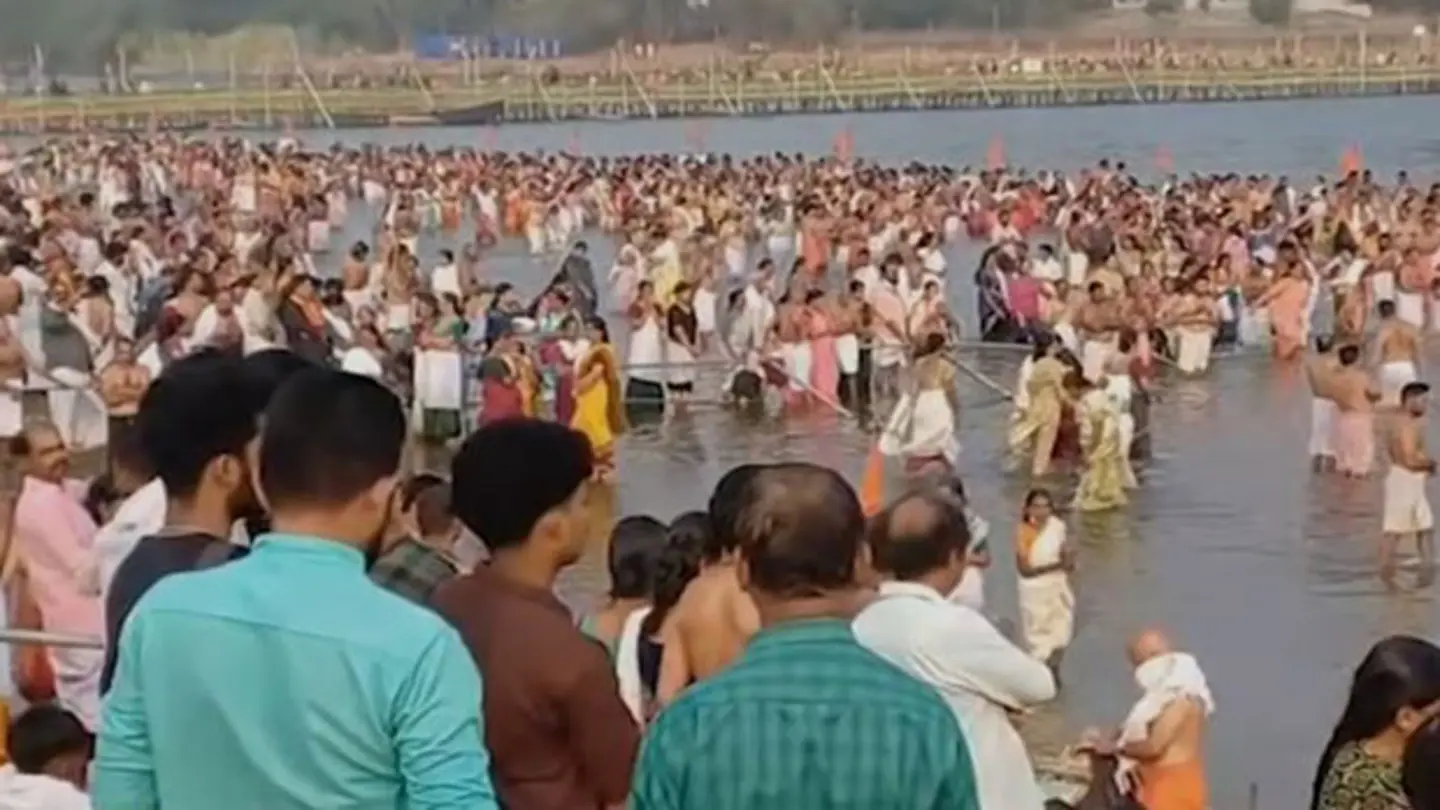
The Mahamaghan, often described as Kerala’s own Kumbh Mela, is a massive pilgrimage that takes place at Thirunavaya on the banks of the Bharathapuzha River. It occurs once every 12 years, drawing hundreds of thousands of devotees and sadhus from across the country. The event is rooted in the belief that a dip in the sacred waters during the auspicious alignment of celestial bodies absolves sins and bestows spiritual merit. Historically, it has been a confluence of Shaivism, Vaishnavism, and other Hindu traditions, embodying a syncretic spirit that transcends sectarian divides. The scale and intensity of the gathering, with its elaborate rituals and discourses, mirror the grandeur of the Kumbh Mela, albeit on a more regional scale, making it a cornerstone of Kerala’s Hindu identity.
PM Modi’s Endorsement: A Nod to Cultural Renaissance
During his broadcast, the Prime Minister articulated how events like Mahamaghan are not merely religious assemblies but powerful engines of cultural revival and national integration. He emphasized that such gatherings awaken a collective memory, reconnecting communities with their ancient heritage and fostering a sense of shared belonging. His choice of words—’awakening of memory, renewal of culture’—underscored the government’s ideological emphasis on preserving and promoting India’s diverse traditions as a unifying force. By placing Mahamaghan in the same breath as the Kumbh Mela, Modi positioned it within the national narrative of India’s spiritual legacy, elevating its profile beyond regional confines. This endorsement aligns with his frequent references in ‘Mann ki Baat’ to local festivals and traditions, framing them as vital threads in the nation’s fabric.
The ‘Mann ki Baat’ Platform and Cultural Discourse
‘Mann ki Baat’ has consistently served as a direct line for the Prime Minister to engage with citizens on socio-cultural themes, often spotlighting grassroots initiatives and ancient customs. His focus on Mahamaghan fits a pattern of using the platform to celebrate India’s pluralistic ethos while subtly reinforcing a civilizational narrative. The mention is likely to boost tourism and participation in future iterations, as the address reaches millions of listeners and viewers nationwide. It also signals governmental recognition of Kerala’s unique Hindu practices, which have sometimes been overshadowed by the state’s political and social discourse.
Reactions and Significance from Kerala
The Prime Minister’s praise has been met with approval from various quarters in Kerala, including religious leaders and cultural organizations who see it as a long-overdue acknowledgment of the event’s national importance. Political leaders across party lines have welcomed the attention, noting it could spur infrastructure development around the Thirunavaya site. For many, the comparison to Kumbh Mela validates the Mahamaghan’s stature, potentially attracting wider national and international interest. However, some secular commentators caution against reducing complex, region-specific rituals to broad national symbols, urging a balanced appreciation that respects local nuance.
Broader Implications for India’s Cultural Policy
This episode reflects a broader governmental strategy to integrate regional festivals into a cohesive national identity, promoting ‘unity in diversity’ through cultural diplomacy. It also highlights how digital media and direct addresses like ‘Mann ki Baat’ can amplify indigenous traditions, ensuring they remain relevant in contemporary discourse. For scholars of Indian society, the Prime Minister’s framing of Mahamaghan as a ‘Kumbh’ exemplifies the ongoing dialogue between regional practices and pan-Indian civilizational themes—a discourse that continues to evolve in independent India.
As preparations for the next Mahamaghan gain momentum, the Prime Minister’s endorsement is expected to infuse new energy into its organization, drawing larger crowds and greater institutional support. Ultimately, his remarks serve as a reminder that India’s strength lies in its myriad traditions, each like a note in a grand symphony, contributing to a harmonious national chorus. Through such acknowledgments, the leadership seeks to nurture a cultural renaissance that honors the past while inspiring future generations.
Image Source: Google | Image Credit: Respective Owner