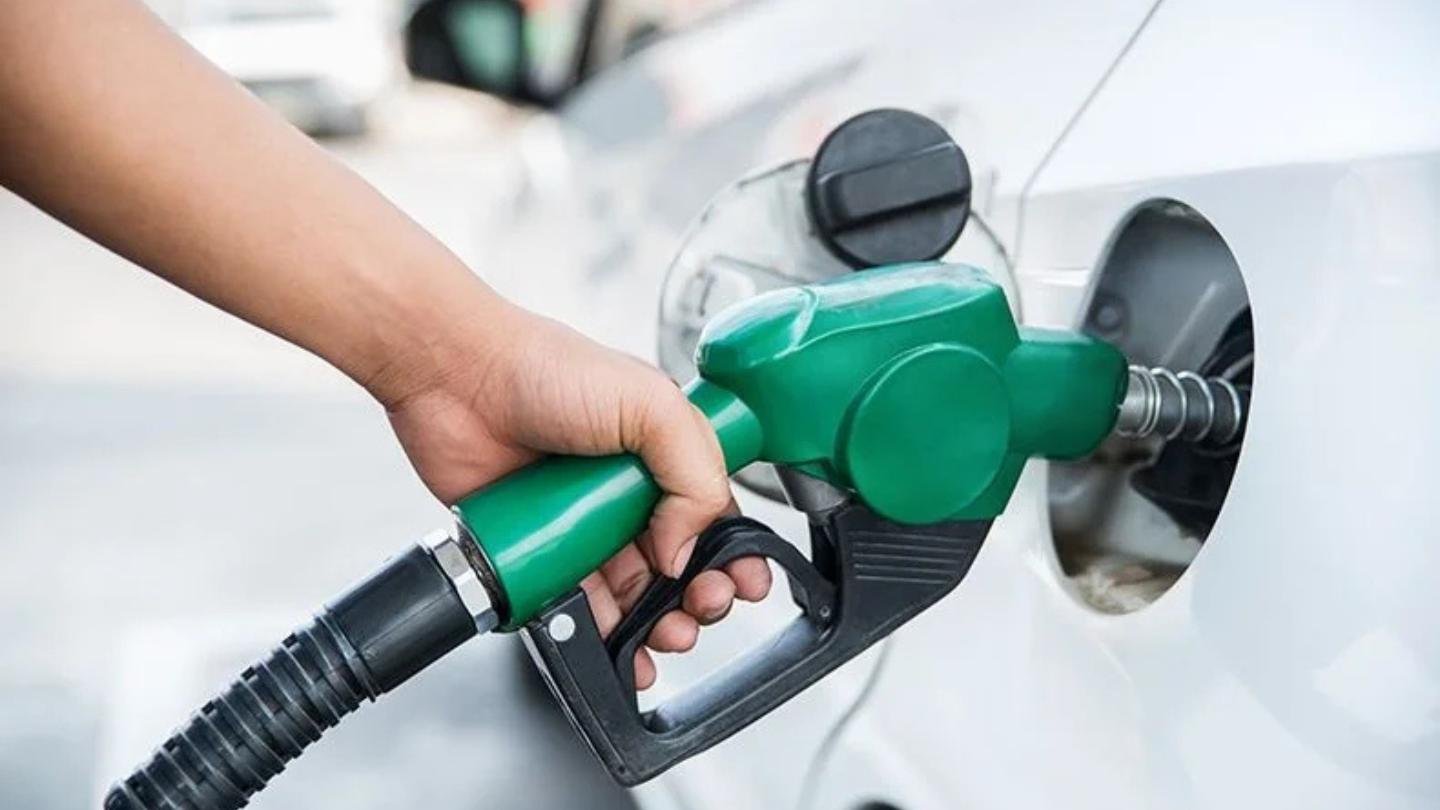
A Public Interest Litigation (PIL) has been filed in the Supreme Court challenging the Union Government’s Ethanol Blending Programme, which mandates the sale of petrol blended with 20% ethanol (E20). The petitioner, Advocate Akshay Malhotra, argues that the policy violates the fundamental rights of vehicle owners whose vehicles are not compatible with the ethanol blend, and it also deprives consumers of the option to choose ethanol-free petrol (E0).
Key Points of the PIL
The petitioner claims that millions of consumers remain unaware that the petrol they are using is mixed with ethanol, which compromises the consumers’ right to make an informed choice under the Consumer Protection Act, 2019. Many vehicles, including those manufactured prior to April 2023 and even some recent BS-VI compliant models, are not designed to handle the higher ethanol blend.
Malhotra argues that the introduction of E20 petrol without providing an option for ethanol-free petrol is unreasonable and arbitrary. He also highlights the potential harmful effects of E20 on vehicles, such as reduced fuel efficiency, engine component corrosion, and premature wear and tear. These issues lead to increased repair costs, higher fuel consumption, and potentially higher pollution, which contradict the intended environmental benefits of ethanol blending.
Concerns Over Vehicle Compatibility and Cost Implications
The petition emphasizes that the E20 petrol can cause corrosion of engine parts, damage fuel lines, and negatively affect plastic and rubber components in vehicles. Furthermore, as a result of reduced engine efficiency, vehicles require more fuel, which not only increases costs for consumers but may also lead to higher emissions.
Another critical point raised is that the government has not passed on the expected benefits to consumers. Despite the reduction in the petrol component due to ethanol blending, the price of petrol has remained the same, with companies failing to pass on any savings to consumers.
Global Contrast and Consumer Rights
The PIL draws a stark contrast between India’s policy and practices in the U.S. and EU, where ethanol-free petrol is still available, and blended fuels are clearly labeled at petrol stations. In India, however, petrol stations do not provide consumers with clear information about the ethanol content of the fuel, leaving them in the dark about what they are purchasing.
Reliefs Sought in the PIL
The petitioner has sought several reliefs from the Supreme Court:
- Ensure that ethanol-free petrol (E0) remains available at all fuel stations.
- Mandate clear labeling of ethanol content on petrol pumps and dispensers, so consumers are fully informed.
- Provide information to consumers at the time of refueling on whether their vehicles are compatible with ethanol-blended petrol.
- Direct the Ministry of Consumer Affairs to enforce consumer protection regulations and issue advisories regarding ethanol-blended fuels.
- Conduct a nationwide study on the impact of E20 petrol on fuel efficiency and vehicle wear-and-tear, especially for vehicles not designed to handle ethanol blending.
The Supreme Court is expected to review the PIL and consider its implications for consumer rights and vehicle compatibility in India.
Image Source: LIVELAW News Network