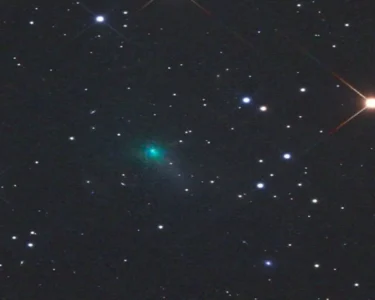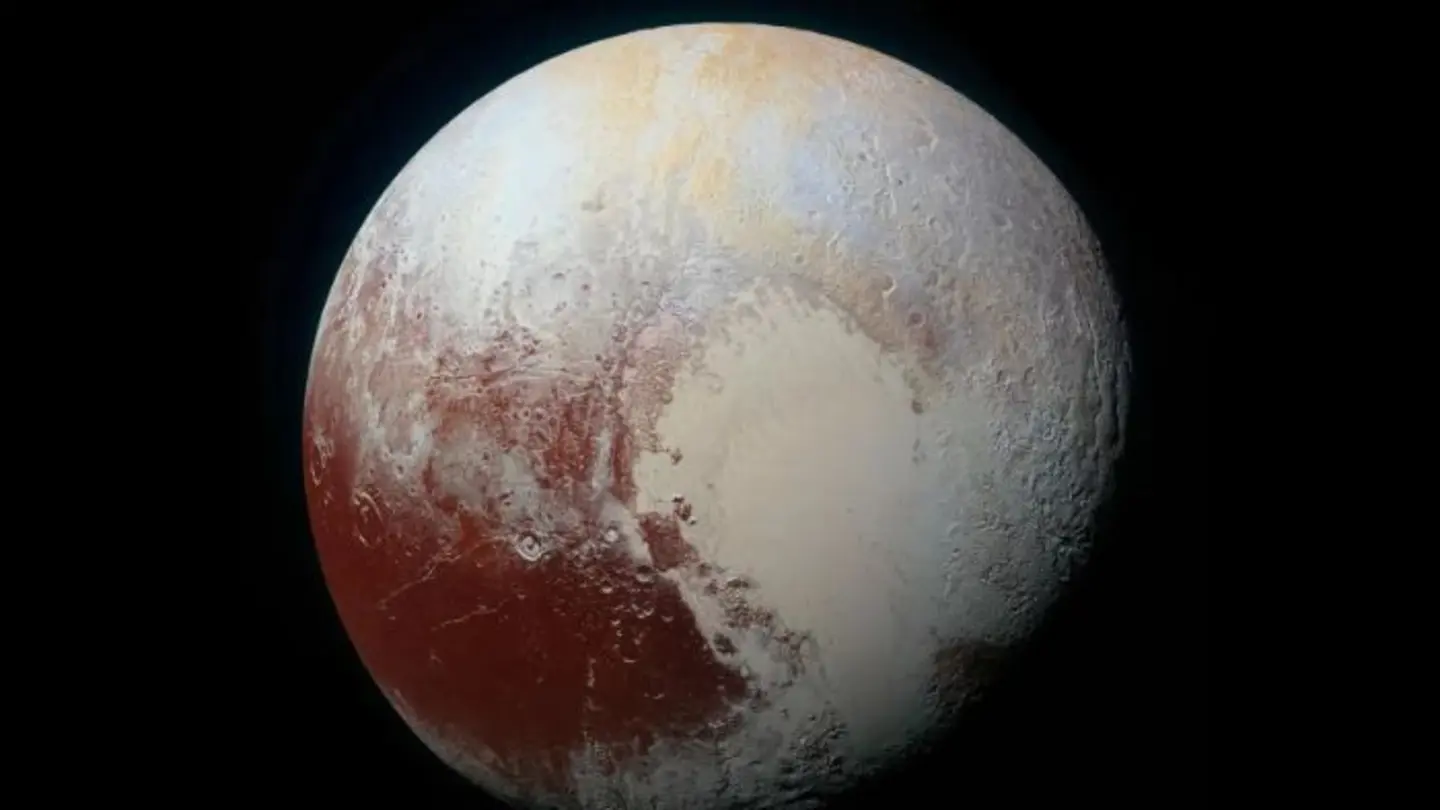
Scientists may have discovered a new planet lurking on the fringes of our solar system. Dubbed “Planet Y” in some circles, this hypothetical celestial body is believed to reside far beyond Pluto, potentially influencing the orbits of other objects in the Kuiper Belt. The discovery, if confirmed, would revolutionize our understanding of the solar system’s architecture and the processes that govern planetary formation.
Evidence and Observations
The evidence supporting the existence of Planet Y is indirect, primarily based on the peculiar orbital patterns observed among certain Kuiper Belt objects (KBOs). These objects appear to be clustered and aligned in a way that suggests the gravitational influence of a massive, unseen object. While other explanations have been proposed, the Planet Y hypothesis remains a compelling contender.
Researchers are using advanced telescopes and sophisticated computer simulations to search for direct evidence of Planet Y. The challenge lies in the immense distance and faintness of the object, which would make it incredibly difficult to detect. However, ongoing surveys and improved observational techniques are steadily increasing the chances of a breakthrough.
The potential discovery has ignited excitement within the scientific community. Some researchers suggest that Planet Y could be a captured rogue planet, while others believe it formed in the early solar system and was subsequently ejected to its distant orbit. Determining its origin and composition would provide invaluable insights into the solar system’s history.
If Planet Y exists, it would likely be a cold, dark world, possibly an ice giant similar to Neptune or Uranus. Its atmosphere, if it has one, would be extremely thin and frigid. The surface would be covered in ice and possibly methane snow. Given its distance from the Sun, it would take hundreds or even thousands of years to complete a single orbit.
The discovery of Planet Y would have profound implications for our understanding of planetary dynamics. It could explain the unusual distribution of KBOs, the existence of other distant objects, and even the formation of the solar system itself. It would also open up new avenues of research and inspire future generations of astronomers to explore the outer reaches of our cosmic neighborhood.
While the existence of Planet Y remains unconfirmed, the evidence is compelling enough to warrant further investigation. Scientists are hopeful that continued observations and analysis will eventually reveal the truth about this mysterious planet and its place in our solar system. The search continues, driven by the desire to uncover the secrets of the cosmos and expand our knowledge of the universe.
This potential discovery highlights the dynamic and ever-evolving nature of our understanding of space. As technology advances, we are able to peer deeper into the cosmos and uncover previously unseen objects and phenomena, continuously reshaping our perception of the universe and our place within it.
Image Source: Google | Image Credit: Respective Owner