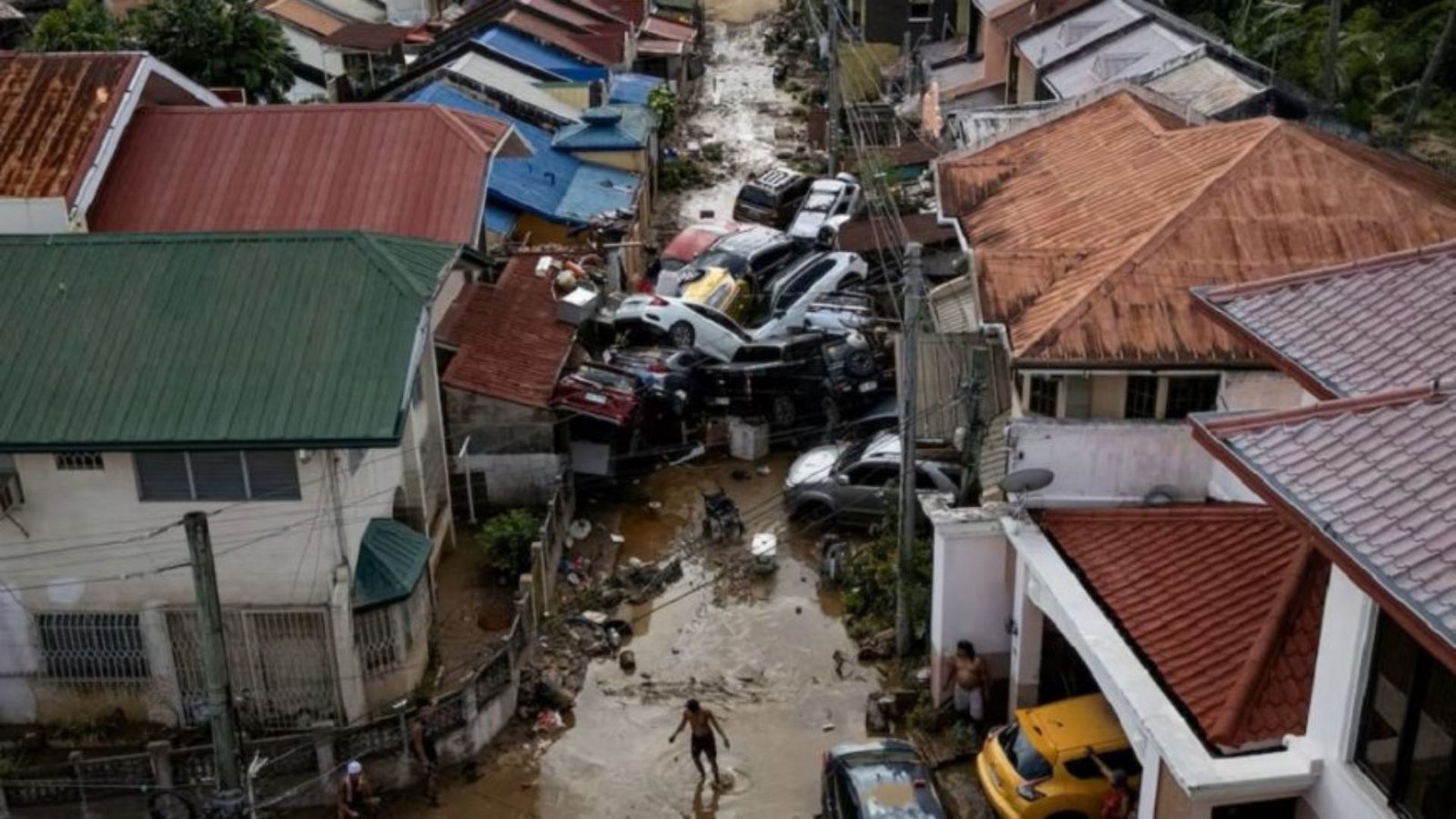
The Philippines is undertaking a massive evacuation, moving over 100,000 people to safety as Typhoon Fung-wong intensifies into a super typhoon. The storm is poised to bring torrential rains, strong winds, and potentially devastating flooding to the archipelago, prompting urgent action from government agencies and local communities.
Philippine authorities are working around the clock to ensure the safe relocation of residents from vulnerable areas, including coastal communities and low-lying regions. Emergency shelters have been established, and resources are being mobilized to provide food, water, and medical assistance to those displaced by the storm. The scale of the evacuation underscores the severity of the threat posed by Fung-wong, which is expected to make landfall within the coming hours.
Evacuation Efforts and Preparedness
The Department of Social Welfare and Development (DSWD) is coordinating the distribution of relief goods and has prepositioned supplies in strategic locations to expedite aid delivery. Local government units (LGUs) are playing a crucial role in identifying and evacuating at-risk populations, utilizing vehicles and personnel to transport residents to designated shelters. Communication lines are being kept open to disseminate timely warnings and updates to the public, emphasizing the importance of heeding evacuation orders.
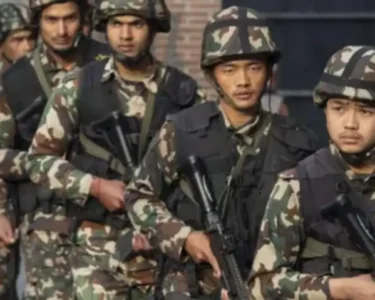
The Philippine Atmospheric, Geophysical and Astronomical Services Administration (PAGASA) is closely monitoring the typhoon’s trajectory and intensity, providing regular advisories to inform the public and guide disaster response efforts. Warnings have been issued for potential storm surges, landslides, and flash floods, urging residents to take precautionary measures to protect themselves and their property. The Armed Forces of the Philippines (AFP) is on standby to assist in search and rescue operations, should the need arise.
Impact and Potential Damage
Typhoon Fung-wong’s intensification into a super typhoon raises concerns about widespread damage to infrastructure, agriculture, and livelihoods. The strong winds could topple trees and power lines, causing disruptions to electricity and communication services. Heavy rainfall could inundate communities, leading to displacement and waterborne diseases. The agricultural sector is particularly vulnerable, with potential losses of crops and livestock. The economic impact of the typhoon could be significant, hindering the country’s development efforts.
As the typhoon approaches, Filipinos are bracing for the worst, hoping for minimal damage and swift recovery. The government is committed to providing assistance and support to affected communities, ensuring that essential services are restored as quickly as possible. The spirit of resilience and solidarity is evident as Filipinos come together to face this formidable challenge.
International aid organizations are also closely monitoring the situation, prepared to provide assistance if requested by the Philippine government. The focus remains on saving lives, protecting vulnerable populations, and mitigating the impact of this powerful super typhoon.
Image Source: Google | Image Credit: Respective Owner