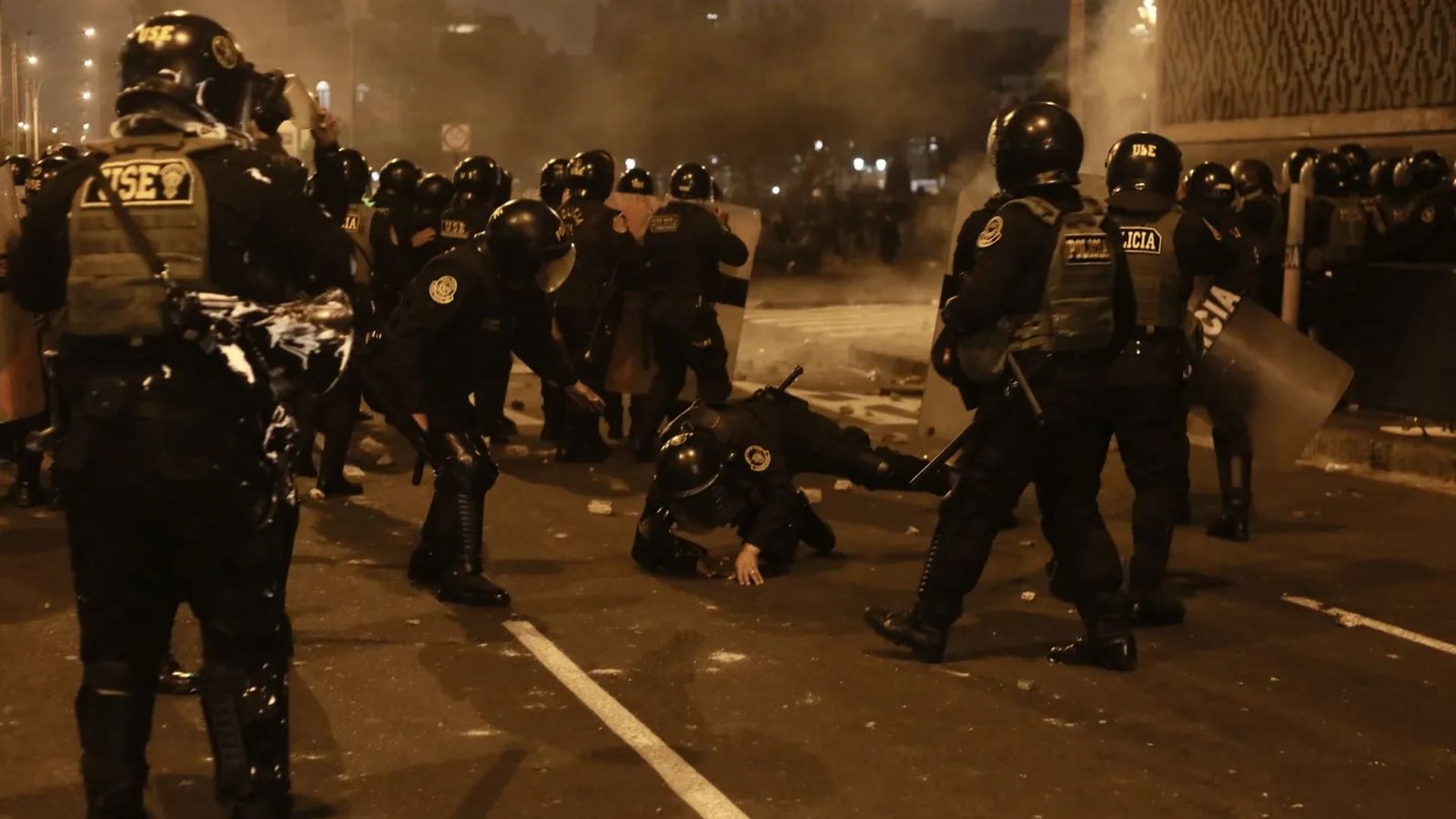
Peru’s government has declared a 30-day state of emergency in Lima and the port city of Callao in response to escalating crime rates. The decree, published in the official gazette, authorizes the military to support police in maintaining order, suspending certain constitutional rights, including freedom of movement and assembly. This measure aims to curb the rising incidents of violent crime, including robberies, gang activity, and drug trafficking, which have caused growing concern among residents and businesses.
The decision follows increasing pressure from local authorities and community leaders who have urged the government to take decisive action to restore security. The state of emergency allows the armed forces to assist the National Police in patrols, checkpoints, and other security operations. While the decree suspends some constitutional rights, it emphasizes that due process and human rights will be respected throughout the period.
Impact on Daily Life
During the state of emergency, residents of Lima and Callao may experience increased security presence and stricter enforcement of regulations. Curfews may be imposed in specific areas based on ongoing threat assessments. Public gatherings and demonstrations could be restricted or prohibited. The government has assured the public that these measures are temporary and necessary to address the immediate security challenges.
Businesses in the affected areas are also advised to take extra precautions to protect their property and employees. The state of emergency could affect transportation and logistical operations, potentially leading to delays and disruptions. The government has pledged to work closely with the private sector to minimize any negative impacts on the economy.
Government Response and Future Plans
The Peruvian government has indicated that the state of emergency is part of a broader strategy to combat crime and improve public safety. Additional measures may include increased investment in law enforcement, judicial reforms, and social programs aimed at addressing the root causes of crime. The government is also seeking international cooperation to combat transnational criminal organizations operating in the country.
Critics argue that the state of emergency is a short-term solution and that more comprehensive and sustainable strategies are needed to address the underlying issues driving crime. They call for greater emphasis on prevention, rehabilitation, and community engagement. The effectiveness of the state of emergency will be closely monitored, and the government will assess whether to extend or modify the measures based on the results achieved during the initial 30-day period. The declaration reflects the severity of the security situation and the government’s commitment to restoring peace and order in the capital and its surrounding areas.
The measure has sparked mixed reactions, with some citizens welcoming the increased security presence, while others express concerns about potential abuses of power and infringement on civil liberties. Human rights organizations have called for vigilance to ensure that the state of emergency is implemented in accordance with international standards and that the rights of all individuals are protected.
Image Source: Google | Image Credit: Respective Owner