Strategic Leadership Change
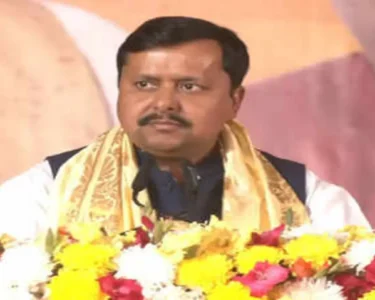
The Bharatiya Janata Party (BJP) has appointed Pankaj Chaudhary as the new president of its Uttar Pradesh unit, marking a significant shift in the party’s state leadership structure. This decision, driven by the central high command, underscores a strategic realignment aimed at strengthening the party’s position ahead of crucial upcoming elections. The move is widely interpreted as a direct response to internal pressures and the need to recalibrate the political dynamics within one of India’s most influential states.
Chaudhary, a seasoned politician and close ally of Prime Minister Narendra Modi, replaces Mahendra Nath Pandey, who had served in the role since 2019. The transition reflects the BJP’s emphasis on maintaining a loyal and effective leadership framework in Uttar Pradesh, where the party faces stiff competition from regional players and emerging opposition alliances. Analysts suggest that the appointment signals a desire to consolidate control and ensure disciplined party operations under Chaudhary’s stewardship.
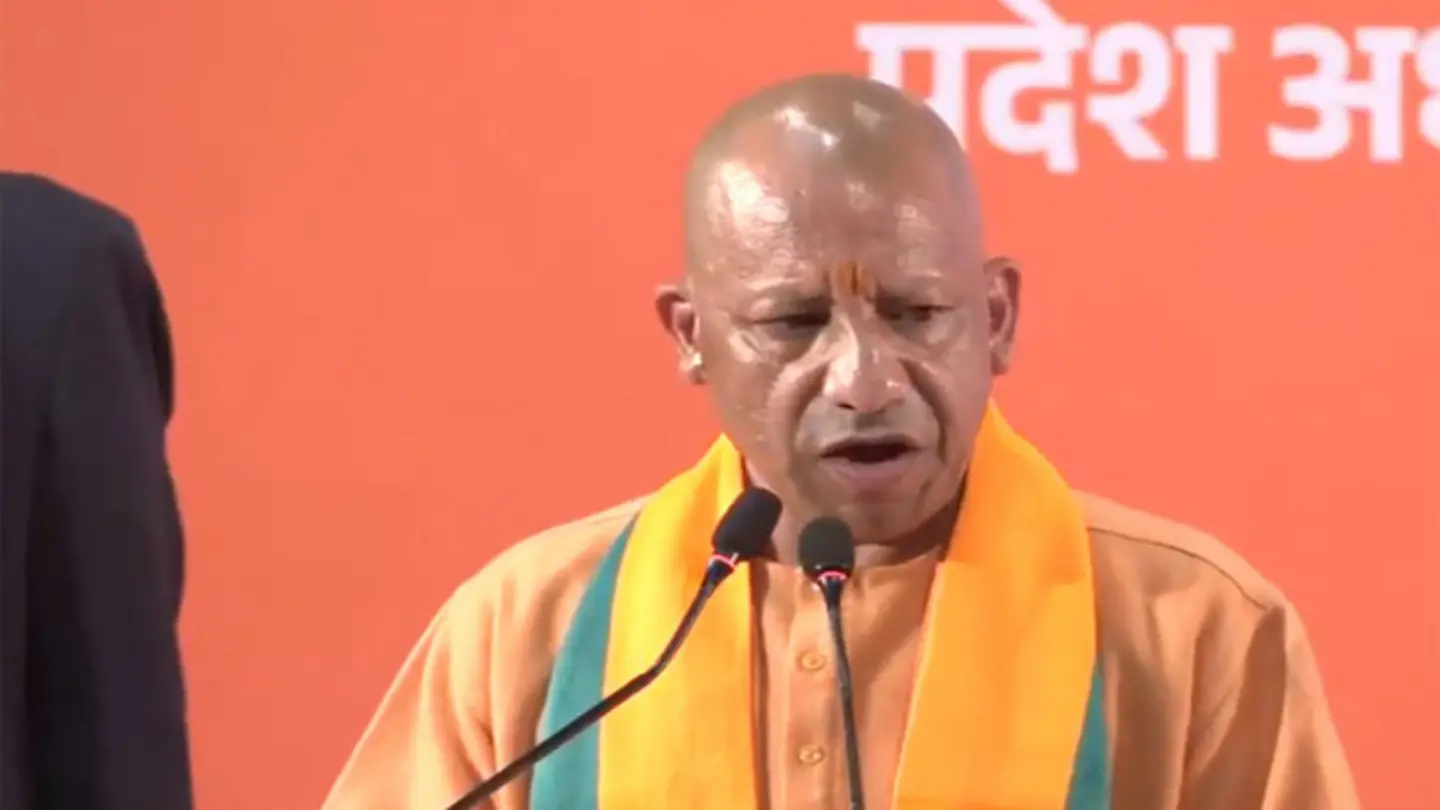
The selection carries profound implications for Chief Minister Yogi Adityanath, whose relationship with the central leadership has often been a subject of speculation. While Adityanath remains the face of the government in Lucknow, the new UP BJP chief is expected to act as a bridge between the state administration and theparty’s central hierarchy. This dual leadership structure could either enhance coordination or create tensions, depending on how effectively both leaders navigate their roles.
Adityanath, known for his strong managerial style and ideological alignment with the RSS, has been a pivotal figure in the BJP’s electoral successes in Uttar Pradesh. However, his tenure has also seen occasional friction with the central leadership over policy implementation and cadre management. Chaudhary’s appointment, therefore, may serve to balance Adityanath’s influence by introducing a leader who enjoys direct access to Prime Minister Modi and Home Minister Amit Shah. This could lead to more streamlined decision-making but might also dilute Adityanath’s autonomy in state matters.
Uttar Pradesh, with its 80 parliamentary seats, remains a linchpin in the BJP’s national strategy. The party’s ability to maintain its dominance here is critical to its broader electoral ambitions, including the 2024 general elections. The appointment of Chaudhary, who is perceived as a pragmatic organizer with strong grassroots connections, is seen as a move to bolster the party’s organizational heft and electoral machinery. His challenge will be to unify diverse factions within the state unit while preparing the ground for potential electoral battles against a resurgent Samajwadi Party and Bahujan Samaj Party.
Political observers argue that this leadership change reflects the BJP’s adherence to a well-established pattern: adjusting state leadership in response to shifting political calculations. By placing Chaudhary at the helm, the central leadership appears to be signaling its willingness to intervene directly when it deems necessary. For Adityanath, the new dynamic could either reinforce his position by providing a more aligned party apparatus or place him under greater scrutiny, depending on how the new leadership chooses to operate. The coming months will be crucial in determining whether this strategic adjustment strengthens the BJP’s hold over Uttar Pradesh or exposes new fault lines within its state ranks.
Image Source: Google | Image Credit: Respective Owner