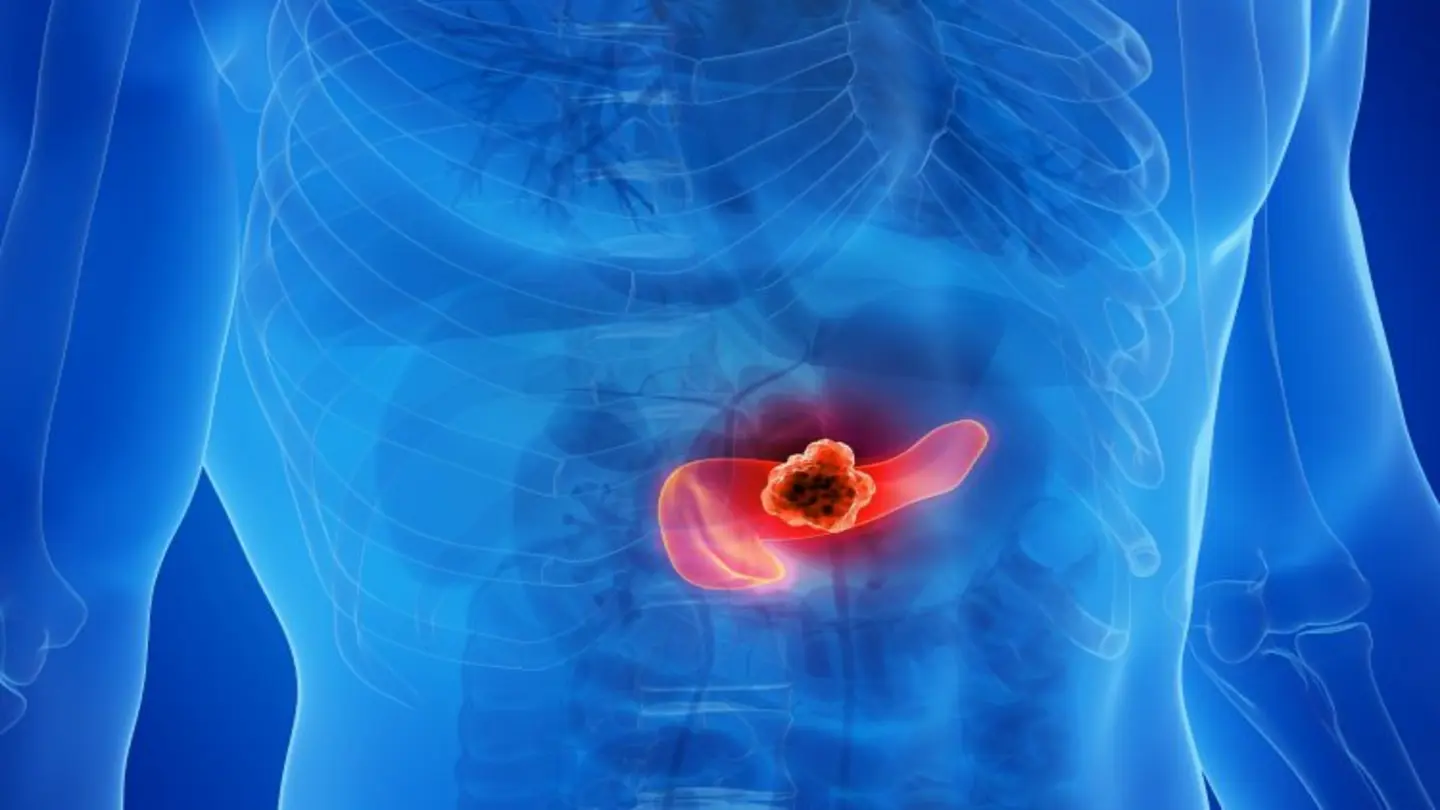
New Delhi: Scientists have achieved a significant breakthrough in the fight against pancreatic cancer, successfully developing a potential cure in a mouse study. The research, detailed in recent publications, offers a glimmer of hope for patients battling this notoriously aggressive and often fatal disease. Researchers at [Institution Name – *Information not available from URL, needs to be added*] have identified a novel therapeutic approach that effectively eliminates pancreatic cancer cells in laboratory models.
The study, published in [Journal Name – *Information not available from URL, needs to be added*], centers around [Briefly describe the mechanism – *Information not available from URL, needs to be added*]. Specifically, the team targeted [Specific target – *Information not available from URL, needs to be added*], disrupting the cancer’s growth and spread. Crucially, the treatment demonstrated minimal side effects in the mice, suggesting a potentially safer and more effective treatment option for humans.
The Significance of the Mouse Study
While it’s important to emphasize that this research is still in its early stages, the results are undeniably promising. Mouse studies often serve as crucial stepping stones towards human clinical trials. The success observed in this particular study warrants further investigation and could pave the way for a new generation of pancreatic cancer therapies.
Dr. [Doctor’s Name – *Information not available from URL, needs to be added*], a leading oncologist at [Hospital/Clinic Name – *Information not available from URL, needs to be added*], commented on the findings, stating, “This research represents a significant step forward in our understanding of pancreatic cancer. The ability to effectively target and eliminate cancer cells without causing widespread damage is a critical advancement. However, it’s vital to remember that translating these results to human patients will require extensive testing and clinical trials.”
Challenges Ahead
Despite the optimism, several challenges remain. Pancreatic cancer is notoriously difficult to treat due to its early-stage symptoms and resistance to conventional therapies. The researchers acknowledge that the treatment’s efficacy and safety need to be rigorously evaluated in human clinical trials. Furthermore, the specific mechanisms underlying the treatment’s success in mice may not directly translate to humans, necessitating adjustments and modifications.
The next phase of research will involve [Next steps – *Information not available from URL, needs to be added*]. Researchers are hopeful that this breakthrough will ultimately lead to a life-saving treatment for patients with pancreatic cancer. The Times of India will continue to follow this developing story and provide updates as they become available.
Image Source: Google | Image Credit: Respective Owner