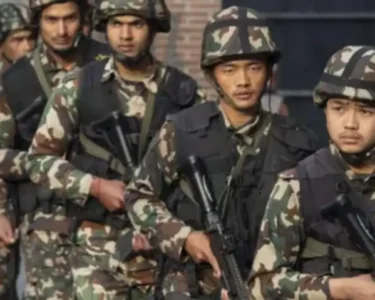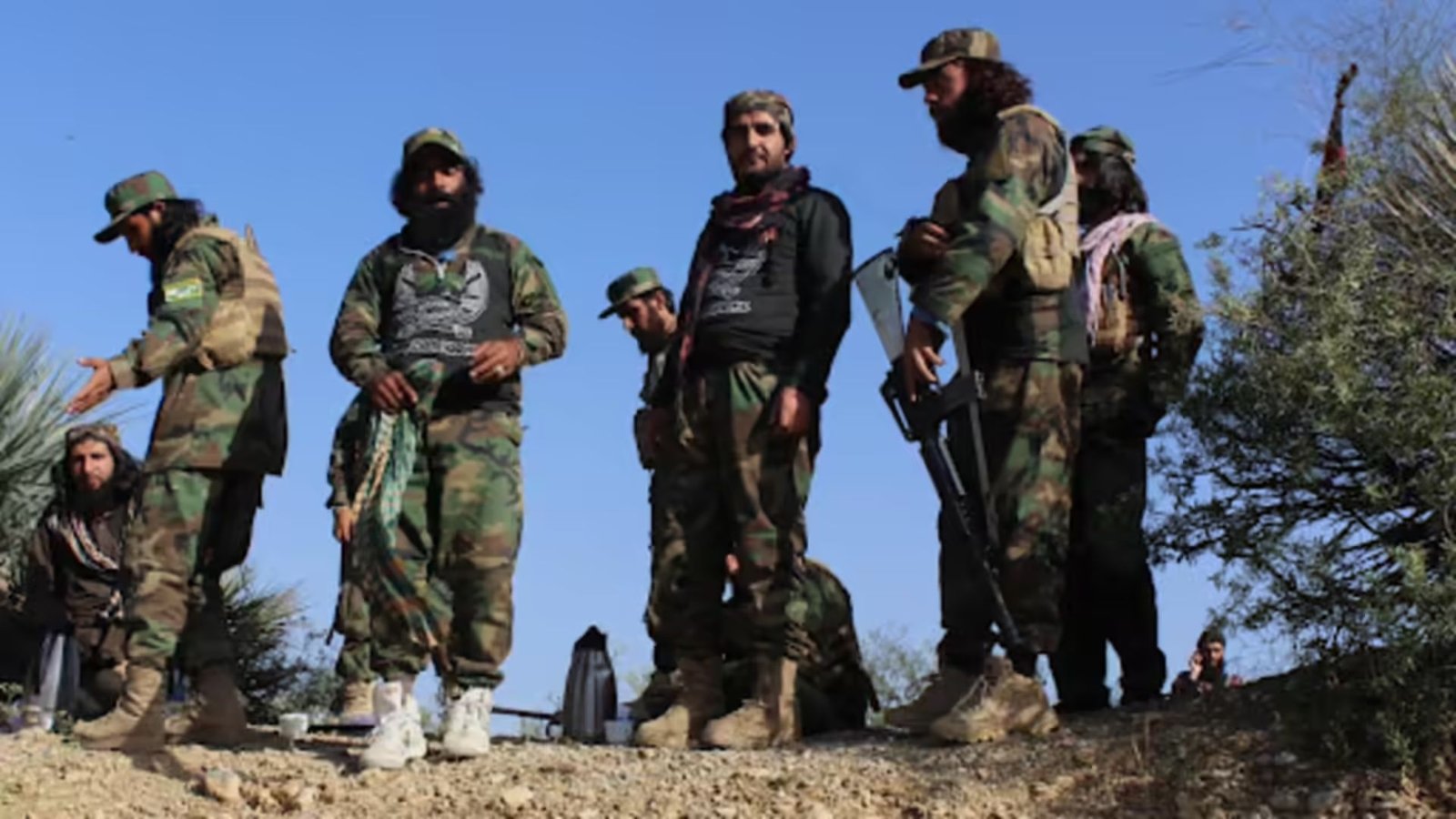
Tensions between Pakistan and Afghanistan have escalated following renewed border clashes, leading to a series of retaliatory actions and a temporary ceasefire agreement. The latest developments involve Pakistan launching strikes within Afghan territory, specifically targeting areas in Kabul, after a resurgence of fighting along the border. These actions have resulted in casualties on both sides, prompting international concern and calls for de-escalation.
Escalation of Conflict
The recent surge in violence is rooted in long-standing disputes over border demarcation and allegations of cross-border attacks. Pakistan has accused Afghanistan of harboring militants who launch attacks on Pakistani soil, while Afghanistan has countered with accusations of Pakistani interference in its internal affairs. The border region has been a hotspot for militant activity, exacerbating the already strained relations between the two countries. The situation deteriorated further when fresh clashes erupted, leading to an exchange of fire and heightened military activity.
In response to the border clashes, Pakistan initiated strikes in Kabul, reportedly targeting militant hideouts and training camps. The strikes drew immediate condemnation from the Afghan government, which termed them a violation of international law and an infringement on its sovereignty. Details about the exact targets and the extent of damage caused by the strikes remain contested. However, reports indicate that civilian casualties have been reported, further fueling anger and resentment among the Afghan population.
Ceasefire Agreement
Amidst the escalating violence, diplomatic efforts have been underway to mediate a ceasefire and prevent further bloodshed. After intense negotiations involving representatives from both countries and international mediators, a 48-hour ceasefire agreement has been reached. The ceasefire aims to provide a window for dialogue and de-escalation, allowing both sides to address their grievances and find a peaceful resolution to the conflict. The effectiveness of the ceasefire will depend on the willingness of both parties to adhere to its terms and refrain from any further acts of aggression.
The clashes have reportedly resulted in dozens of fatalities, including both military personnel and civilians. The exact death toll remains unclear, as conflicting reports emerge from different sources. The violence has also displaced communities along the border, forcing families to flee their homes in search of safety. The humanitarian situation in the region is deteriorating, with limited access to essential services and a growing need for assistance. International organizations are working to provide aid and support to the affected population, but the scale of the crisis poses significant challenges.
The international community has expressed deep concern over the escalating conflict between Pakistan and Afghanistan, urging both sides to exercise restraint and prioritize dialogue. The United Nations, along with several countries, has called for a peaceful resolution to the dispute, emphasizing the importance of respecting each other’s sovereignty and territorial integrity. The ongoing tensions threaten regional stability and could have far-reaching consequences for the wider region. The need for a long-term solution that addresses the root causes of the conflict is becoming increasingly urgent.
The coming days will be crucial in determining whether the ceasefire can hold and whether both sides can find a way to de-escalate the situation. The challenges are significant, but the alternative – continued violence and instability – is unacceptable. A commitment to dialogue, mutual respect, and a willingness to compromise will be essential to achieving a lasting peace between Pakistan and Afghanistan.
Image Source: Google | Image Credit: Respective Owner