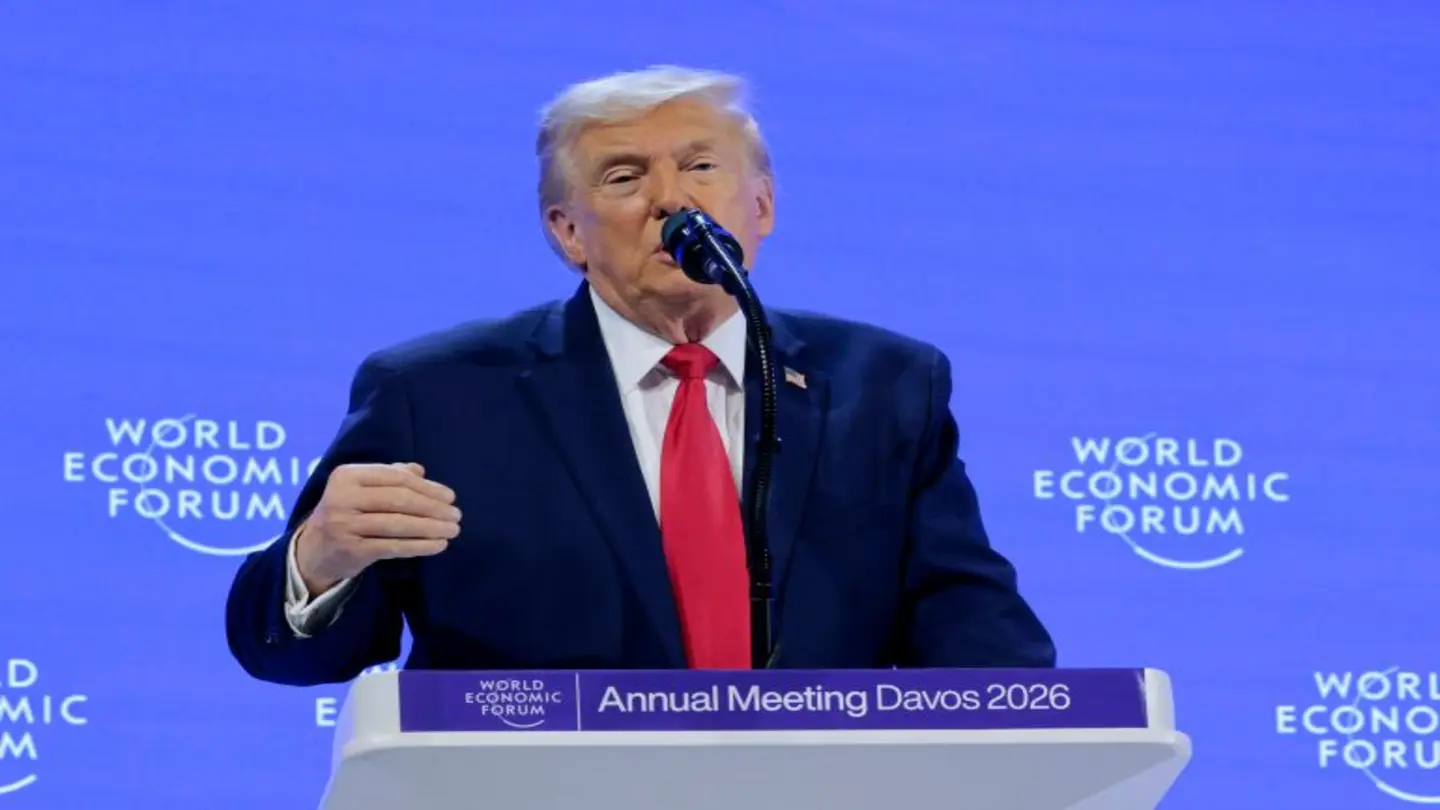
Pakistani Prime Minister Anwaar-ul-Haq Kakar’s potential involvement in a U.S.-led initiative for Gaza, reportedly discussed with Donald Trump at the World Economic Forum in Davos, has sparked significant domestic backlash. Critics argue that aligning with the United States on this issue, particularly given the current geopolitical climate and the Trump administration’s past policies, is “morally incorrect.” The controversy centers on the perception that joining a U.S.-led board would implicitly endorse American foreign policy and potentially compromise Pakistan’s independent stance on the Israeli-Palestinian conflict.
The proposed initiative, details of which remain somewhat opaque, appears to involve a collaborative effort to address the humanitarian crisis and reconstruction needs in Gaza following the recent conflict. However, opposition figures and commentators in Pakistan have voiced strong reservations, highlighting the Trump administration’s perceived pro-Israel bias and its controversial decisions regarding Jerusalem and U.S. aid to Palestinian territories. They fear that Pakistan’s participation could be interpreted as tacit approval of these policies.
Domestic Opposition Mounts
Several prominent Pakistani politicians and analysts have publicly criticized the move. Concerns have been raised about the lack of transparency surrounding the discussions with Trump and the potential implications for Pakistan’s foreign policy objectives. Some argue that Pakistan should instead focus on strengthening its ties with Arab and Islamic nations to advocate for a just and lasting resolution to the Palestinian issue. The criticism extends to the timing of the discussions, with some questioning why the Prime Minister would engage in such sensitive negotiations on the sidelines of a global economic forum.
The debate has also ignited discussions about Pakistan’s historical support for the Palestinian cause and its commitment to international humanitarian principles. Critics emphasize the need for Pakistan to maintain a neutral and impartial position, offering assistance to Gaza based on humanitarian needs rather than political alignment. They suggest that Pakistan could play a more constructive role by working through established international organizations, such as the United Nations, to provide aid and support to the affected population.
Furthermore, the opposition has pointed to the domestic political challenges facing the Prime Minister, arguing that this move could further erode public trust and fuel political instability. With general elections looming, the controversy surrounding the Gaza initiative is likely to become a key talking point, potentially influencing voter sentiment. The caretaker government, already navigating a complex political landscape, now faces the added pressure of addressing these concerns and clarifying its position on the matter.
The Pakistani government has yet to issue a comprehensive statement addressing the criticism. However, sources within the Prime Minister’s office have indicated that the discussions with Trump were preliminary and that no firm commitments were made. They also emphasize that Pakistan remains committed to a peaceful resolution of the Israeli-Palestinian conflict and will continue to advocate for the rights of the Palestinian people. The situation remains fluid, and further developments are expected in the coming days as the government seeks to navigate this delicate diplomatic challenge.
Image Source: Google | Image Credit: Respective Owner