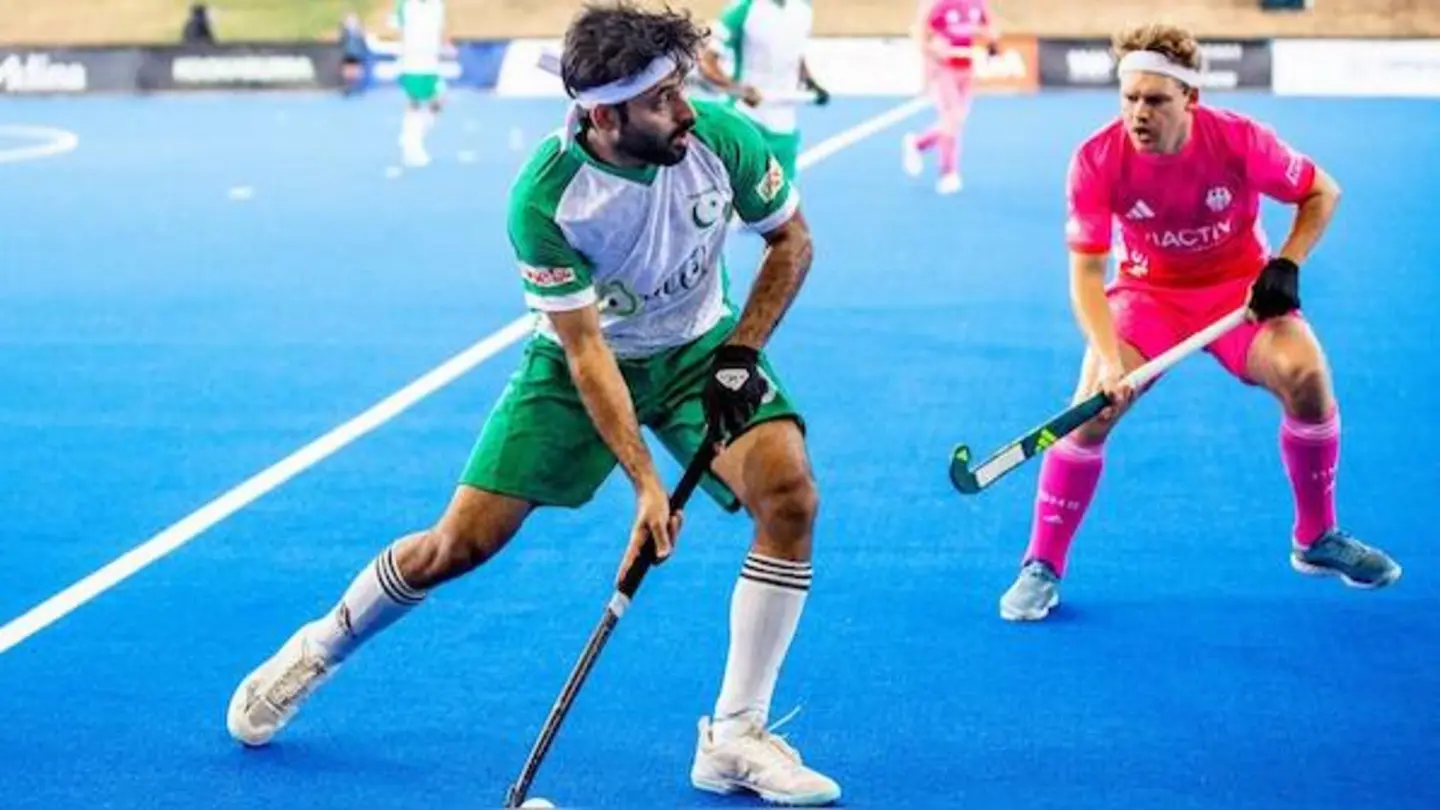
An accommodation dispute has triggered a governance crisis within Pakistan hockey, leading to the brief ban and subsequent reinstatement of the national team captain after the Pakistan Hockey Federation (PHF) chief resigned. This incident underscores persistent administrative instability in a sport that once enjoyed global dominance but has since grappled with decline.
The conflict erupted when the PHF’s executive committee imposed a ban on the captain—whose identity remains undisclosed in initial reports—for alleged disciplinary violations tied to substandard team accommodations during a training camp or tournament. Players reportedly voiced concerns over lodging conditions, citing inadequate facilities that hindered rest and preparation. The federation’s stringent response was widely perceived as an overreach, igniting backlash from players, fans, and media who demanded accountability.
Leadership Upheaval and Reversal
Under intensifying pressure, the PHF chief tendered his resignation, a move swiftly followed by the federation’s revocation of the captain’s ban. The rapid sequence—ban imposed, chief resigns, ban lifted—has been criticized as erratic and damaging to the PHF’s credibility. Former officials note this pattern of impulsive decision-making reflects deeper structural flaws, including political interference and opaque governance that have plagued the organization for years.
Pakistan’s hockey legacy, featuring eight Olympic medals including three golds, contrasts sharply with its current struggles. The team now faces challenges in qualifying for major events, a downturn attributed to chronic underfunding, outdated infrastructure, and talent drain. Internal disputes like this accommodation row exacerbate these issues, diverting focus from development and eroding stakeholder confidence.
Athlete Welfare at the Forefront
The dispute highlights broader concerns about player welfare. In elite sports, proper accommodations are integral to recovery and performance; subpar conditions can lead to fatigue, injuries, and psychological stress. The captain’s protest, whether direct or implied, resonates with long-standing grievances among athletes who often endure neglect. “This transcends a single incident—it’s about systemic disrespect for players’ needs,” remarked an anonymous former Olympian, emphasizing that such neglect is common across Pakistan’s less-funded sports.
International observers warn that recurring conflicts could isolate Pakistan hockey from global bodies like the International Hockey Federation (FIH), jeopardizing funding and tournament invites. With events such as the Asian Games approaching, stability is paramount for competitive readiness.
Calls for Comprehensive Reform
The crisis has reignited demands for PHF overhaul. Proposals include establishing a players’ association for collective bargaining, implementing transparent financial audits, and adopting international standards for team management. Experts stress that without these changes, Pakistan risks further marginalization. The chief’s resignation offers a pivotal opportunity: interim leaders must engage stakeholders to draft a recovery plan prioritizing infrastructure upgrades, sustainable funding, and grievance mechanisms.
Accommodation standards should be a starting point, with all national team camps subjected to rigorous checks. Long-term, the PHF needs visionary leadership that balances tradition with modernity, leveraging Pakistan’s hockey passion to rebuild. For now, the captain’s return allows team focus to shift to the field, but the episode’s scars linger, reminding all that administrative integrity is as crucial as athletic prowess for national sporting revival.
Image Source: Google | Image Credit: Respective Owner