Pakistan Reviews EU-India FTA Fallout
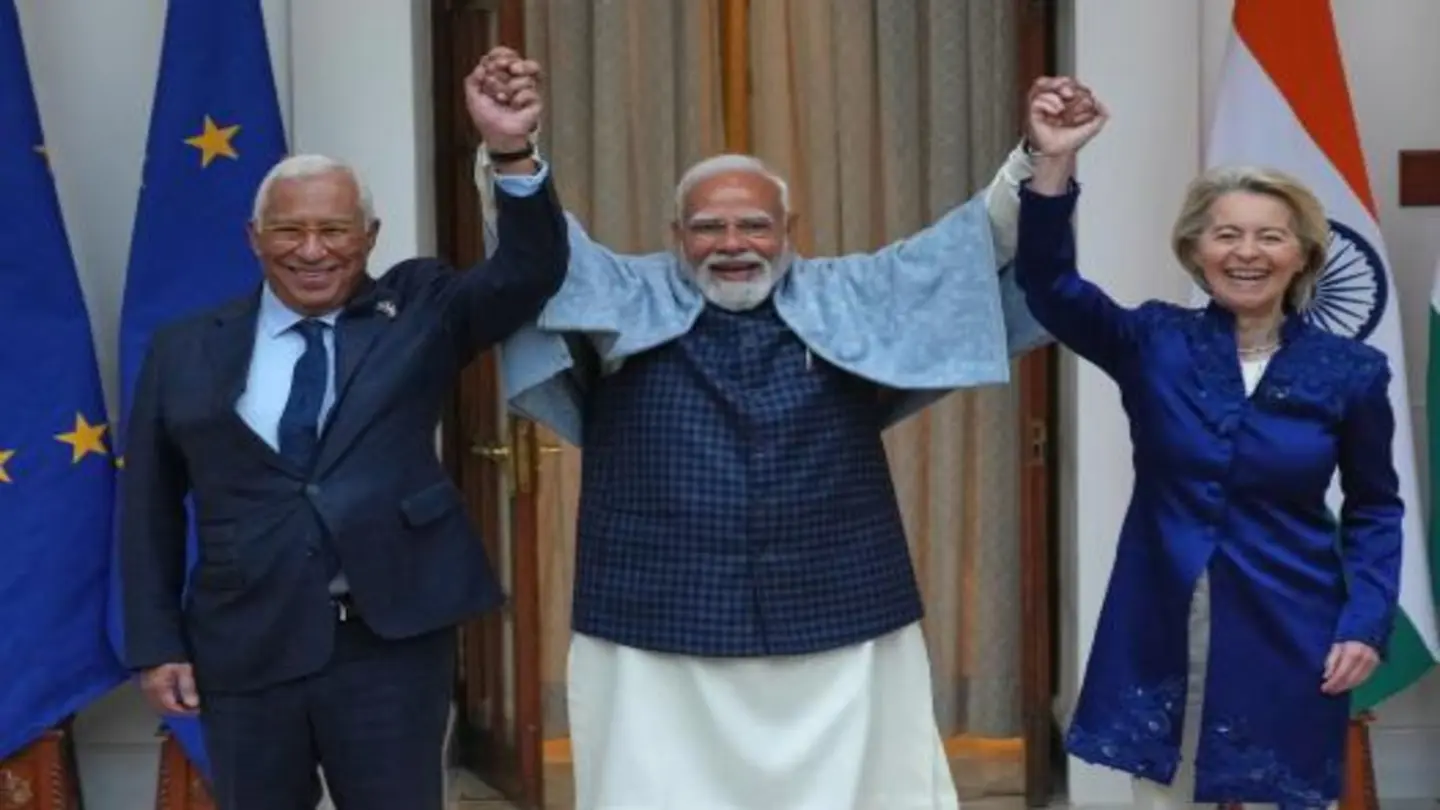
Islamabad – Pakistani exporters are expressing serious concerns following the impending implementation of the EU-India Free Trade Agreement (FTA), fearing a significant erosion of their competitive advantage in the European Union’s textile market. A review is currently underway in Pakistan to assess the potential ramifications of the agreement and formulate strategies to mitigate any negative impacts.
The core of the anxiety stems from the fact that India, a major textile exporter, is poised to benefit substantially from the FTA. Reduced tariffs and streamlined trade procedures between the EU and India will likely lead to increased Indian textile exports to the EU, potentially displacing Pakistani goods.
“Our advantage will vanish,” stated a representative from the All Pakistan Textile Mills Association (APTMA), highlighting the precarious situation facing Pakistani manufacturers. “We’ve built our export business on competitive pricing and quality, and the Indian influx will undoubtedly drive down prices, making it increasingly difficult for us to compete.”
The review, initiated by the Ministry of Commerce, aims to analyze the specific sectors within the Pakistani textile industry most vulnerable to the FTA’s effects. It will also explore potential avenues for diversification, focusing on higher-value products and exploring new markets beyond the EU. Government officials are reportedly considering offering incentives to Pakistani exporters to upgrade their production processes and adopt more sustainable practices, thereby enhancing their competitiveness.
Potential Strategies
Several strategies are being considered, including negotiating bilateral trade agreements with the EU to secure preferential access for Pakistani textiles. Another approach involves seeking technical assistance to improve the quality and design of Pakistani products, making them more appealing to European consumers. Furthermore, the government is exploring opportunities to promote Pakistani textiles through targeted marketing campaigns in key European markets.
However, experts caution that these measures may not be sufficient to fully offset the impact of the FTA. The scale of Indian textile production and its established presence in the EU market pose a formidable challenge. The Pakistani government faces a delicate balancing act – attempting to protect its export industry while simultaneously fostering economic growth and attracting foreign investment.
The outcome of this review will have significant implications for Pakistan’s economy, particularly for its textile sector, which contributes substantially to the country’s GDP and employment. The coming months will be crucial in determining whether Pakistan can successfully navigate the challenges posed by the EU-India FTA and maintain its foothold in the European textile market.
The review is expected to conclude within the next few weeks, with recommendations presented to the Prime Minister’s Office for consideration.
Image Source: Google | Image Credit: Respective Owner