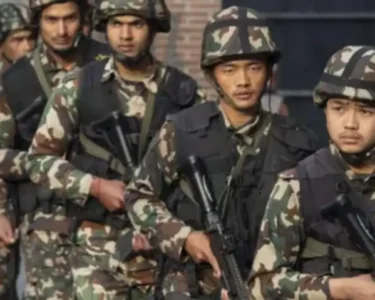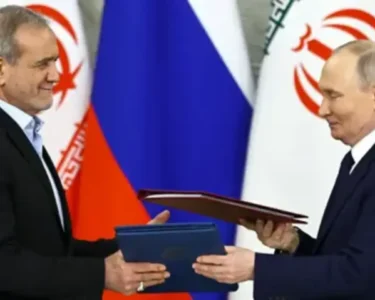
Pakistan and Afghanistan have reportedly agreed to a ceasefire following peace talks held in Istanbul, marking a significant step towards de-escalation and potential resolution of long-standing conflicts. The agreement, facilitated by international mediators, aims to create a more conducive environment for further negotiations and address the root causes of instability in the region. The follow-up meeting, as reported by the Times of India, underscores the commitment of both nations to maintain the momentum generated during the initial discussions.
Details of the Ceasefire
Specific details of the ceasefire, including its duration and scope, remain subject to further clarification. However, initial reports suggest that the agreement encompasses a cessation of hostilities along key border areas and a commitment to refrain from engaging in activities that could undermine the peace process. The involvement of international observers in monitoring the ceasefire is also under consideration to ensure its effective implementation and prevent potential violations.
The agreement comes after a period of heightened tensions between Pakistan and Afghanistan, characterized by cross-border skirmishes, accusations of supporting militant groups, and mutual distrust. The recent peace talks in Istanbul provided a crucial platform for both sides to engage in direct dialogue, address their grievances, and explore avenues for cooperation in combating terrorism and promoting regional stability.
The ceasefire is expected to have a positive impact on the humanitarian situation in the region, allowing for the delivery of essential aid and assistance to communities affected by conflict. It also creates an opportunity for displaced populations to return to their homes and rebuild their lives. The resumption of normal trade and economic activities across the border is also anticipated, which would further contribute to the improvement of livelihoods and overall stability.
Future Prospects
While the ceasefire represents a significant achievement, it is essential to acknowledge that it is only the first step in a long and complex process. The success of the peace process will depend on the willingness of both sides to address the underlying issues that fuel the conflict, including border disputes, allegations of interference in each other’s internal affairs, and the presence of militant groups operating in the region.
The international community has welcomed the ceasefire agreement and reiterated its commitment to supporting the peace process. Continued engagement and assistance from regional and global partners will be crucial in ensuring the sustainability of the ceasefire and facilitating further progress towards a lasting resolution of the conflict. The follow-up meeting is expected to address key issues such as confidence-building measures, security cooperation, and economic development initiatives that can help solidify the peace agreement and promote long-term stability in the region. The path forward requires sustained dialogue, mutual trust, and a shared commitment to building a peaceful and prosperous future for both Pakistan and Afghanistan.
The agreement signals a potential turning point and increased hope for the future of the region.
Image Source: Google | Image Credit: Respective Owner