A controversy has ignited in India following remarks made regarding the use of cow dung and urine, sparking accusations of a “colonial mindset” from some quarters. The debate centers around comments perceived as dismissive of traditional Indian practices and their potential scientific value, particularly in the context of agriculture and medicine.
The issue gained prominence after certain individuals criticized research exploring the benefits of cow-related products, labeling it as unscientific and promoting a narrative that equates traditional knowledge with backwardness. This criticism has been met with strong opposition from proponents of ‘desi’ science and those who believe in the importance of preserving and investigating indigenous practices.
Adding fuel to the fire, the recent Padma Shri award to a researcher involved in cow-related studies has drawn scrutiny and protests from scientists and rationalists. Critics argue that the award legitimizes pseudoscientific claims and undermines genuine scientific inquiry. They point to a lack of rigorous peer review and verifiable evidence supporting the purported benefits of these products.
IIT Madras Director’s Stance
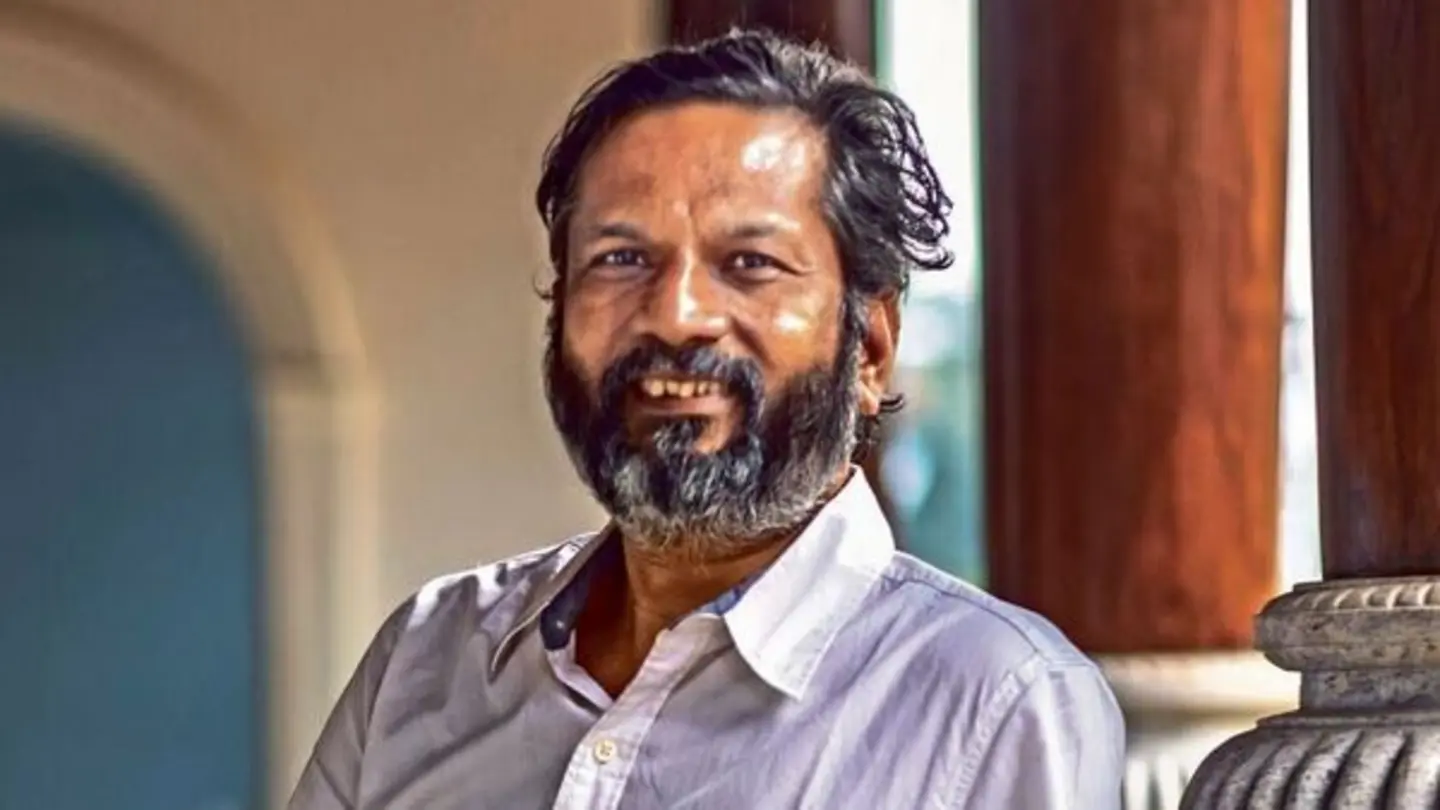
However, Sridhar Vembu, the founder of Zoho Corporation, has publicly backed the Director of IIT Madras, V. Kamakoti, who has been a vocal supporter of exploring traditional Indian knowledge systems. Vembu defended Kamakoti against the criticism, stating that the director is encouraging a broader perspective on scientific research and innovation.
Vembu argued that dismissing traditional practices outright without investigation is a form of intellectual arrogance and hinders potential breakthroughs. He emphasized the need for a more inclusive approach to science, one that acknowledges and builds upon the accumulated wisdom of generations. He further suggested that the criticism stems from a lingering “colonial mindset” that devalues indigenous knowledge.
The controversy highlights a deep-seated tension between modern scientific paradigms and traditional Indian knowledge systems. While proponents of modern science emphasize the importance of empirical evidence and rigorous testing, advocates of traditional knowledge argue that these systems offer valuable insights that may be overlooked by conventional methods.
The debate also touches upon issues of cultural identity and national pride. For some, defending traditional practices is seen as a way to assert India’s unique cultural heritage and challenge Western dominance in the scientific realm. Others worry that prioritizing tradition over evidence-based science could have detrimental consequences for public health and economic development.
The Ministry of Ayush, which promotes traditional medicine systems like Ayurveda, has also weighed in, asserting the importance of scientific validation of traditional practices. The government has been investing in research to explore the potential benefits of Ayurveda and other traditional systems, but it also stresses the need for adherence to scientific standards.
The Padma Shri row is likely to continue fueling the debate over the role of traditional knowledge in modern India. It underscores the need for a nuanced and respectful dialogue between different perspectives, one that prioritizes both scientific rigor and cultural sensitivity.
Image Source: Google | Image Credit: Respective Owner