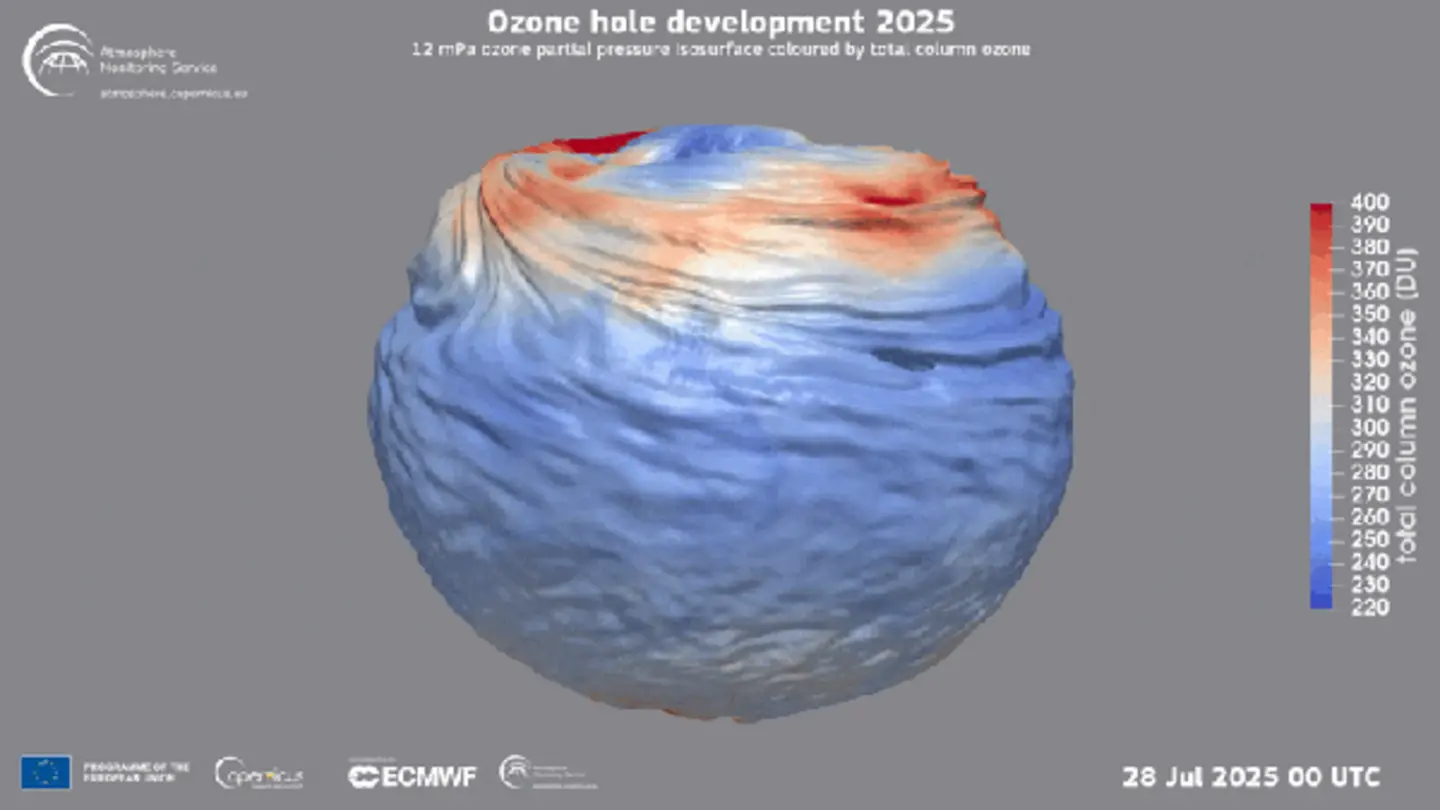
The Earth’s ozone layer is on a promising path to full recovery within decades, thanks to concerted international efforts to phase out ozone-depleting substances. A recent United Nations report reveals that the ozone layer, which shields life on Earth from harmful ultraviolet radiation, is healing at a rate that could see it fully restored over most of the world by the 2040s. The Antarctic ozone hole, a significant area of depletion, is expected to close by the 2060s. This progress marks a triumph for global environmental cooperation and underscores the effectiveness of the Montreal Protocol, a landmark international treaty signed in 1987.
The Montreal Protocol’s Success
The Montreal Protocol, ratified by every country in the UN, mandated the phasing out of chlorofluorocarbons (CFCs) and other ozone-depleting chemicals commonly used in refrigerants, aerosols, and industrial processes. The treaty has been hailed as one of the most successful environmental agreements in history, demonstrating the power of collective action to address global challenges. Scientists estimate that without the Montreal Protocol, the ozone layer would have continued to thin, leading to increased rates of skin cancer, cataracts, and other health problems, as well as significant damage to ecosystems.
The report highlights that the recovery is not uniform across the globe. While the ozone layer is expected to recover to 1980 levels by 2040 in most regions, the Arctic is predicted to see full recovery by 2045, and the Antarctic by 2066. The slower recovery in the Antarctic is due to the severity of ozone depletion in that region, where extremely cold temperatures exacerbate the effects of ozone-depleting substances.
Emerging Challenges and Future Outlook
Despite the positive news, the report also cautions about emerging challenges. One concern is the potential impact of geoengineering proposals, particularly the injection of aerosols into the stratosphere to reflect sunlight and cool the planet. While such strategies could potentially mitigate climate change, they could also have unintended consequences for the ozone layer. Scientists are urging for careful research and assessment of these technologies to avoid disrupting the ozone layer’s recovery.
Furthermore, the report emphasizes the importance of continued monitoring and enforcement of the Montreal Protocol to ensure that banned substances are not reintroduced. There have been instances of illegal production and use of CFCs in recent years, highlighting the need for vigilance and international cooperation. The success of the Montreal Protocol provides a valuable lesson for tackling other environmental challenges, including climate change. By working together and implementing science-based policies, the world can address even the most pressing global threats.
The recovery of the ozone layer serves as a reminder that environmental problems, while daunting, are not insurmountable. Through international collaboration, technological innovation, and a commitment to sustainable practices, humanity can protect the planet and ensure a healthy future for generations to come. The ongoing monitoring and research will be crucial to ensure that the ozone layer continues on its path to recovery and to address any unforeseen challenges that may arise.
Image Source: Google | Image Credit: Respective Owner