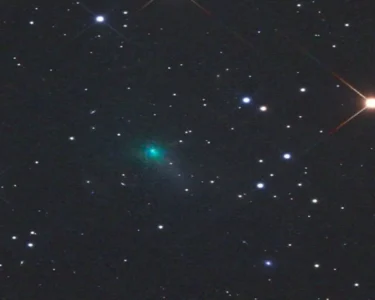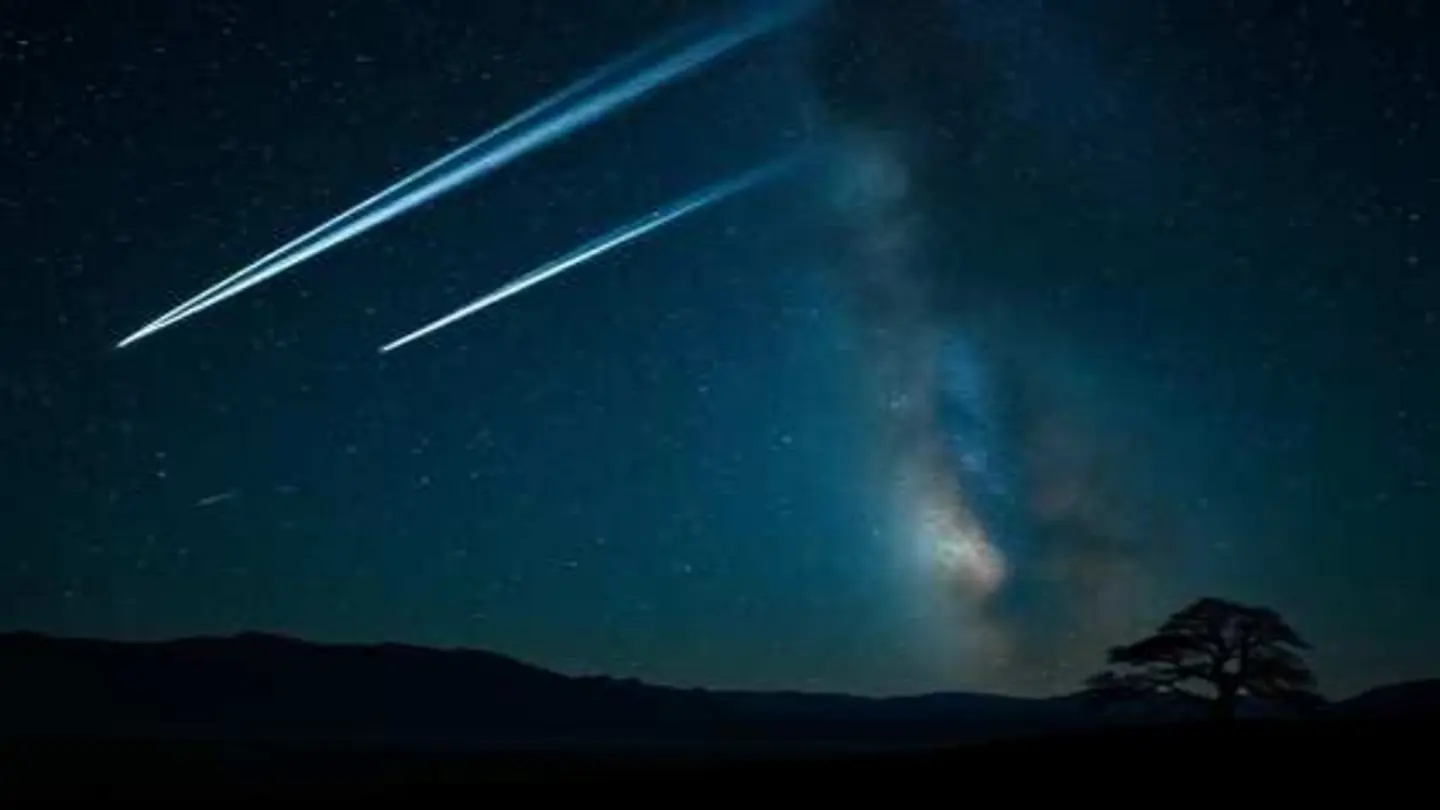
The annual Orionid meteor shower, known for its fast and bright meteors, is set to peak tonight, offering a spectacular celestial display for stargazers across the United States. Produced by debris from Halley’s Comet, the Orionids are typically active throughout October, but reach their highest intensity around October 20-22. This year, optimal viewing conditions are expected due to a new moon, which will minimize light pollution and enhance the visibility of the fainter meteors.
When and Where to Watch
The best time to observe the Orionids will be in the early morning hours, between midnight and dawn. While the meteors will appear to radiate from the constellation Orion, they can be seen across the entire sky. Observers are advised to find a dark location away from city lights, allow their eyes to adjust for about 20-30 minutes, and look upwards. No special equipment is needed; the naked eye is the best tool for meteor watching. Patience is key, as meteor activity can vary, with bursts of several meteors followed by periods of relative quiet.
The Orionid meteor shower is named after the constellation Orion because the meteors appear to originate from a point near Orion’s shoulder, close to the star Betelgeuse. These meteors are actually tiny particles of dust and ice left behind by Halley’s Comet as it orbits the sun. When Earth passes through this debris stream, the particles enter our atmosphere at high speeds and burn up, creating the streaks of light we see as meteors.
This year’s Orionid meteor shower is particularly noteworthy due to the favorable lunar conditions. With a new moon, the sky will be at its darkest, allowing even faint meteors to become visible. In past years, a bright moon has often obscured many of the dimmer meteors, reducing the overall viewing experience. The lack of moonlight this year will provide an excellent opportunity to see a greater number of meteors, potentially up to 20 per hour under ideal conditions.
Tips for Optimal Viewing
To maximize your chances of seeing the Orionid meteor shower, it’s important to choose a viewing location that is far from city lights. Light pollution can significantly reduce the visibility of meteors, making it difficult to see anything but the brightest ones. Look for parks, open fields, or other areas that offer a clear view of the sky without any obstructions. Dress warmly, as temperatures can drop significantly overnight, and bring a blanket or chair to relax while you wait for meteors to appear. It can take up to half an hour for your eyes to fully adjust to the darkness, so avoid looking at bright lights during this time.
While meteor showers are often predictable, the actual number of meteors you see can vary. Factors such as atmospheric conditions and the observer’s eyesight can all play a role. Nevertheless, the Orionid meteor shower is known for producing a reliable display of fast-moving and often bright meteors, making it a worthwhile event for anyone interested in astronomy.
So, grab a blanket, find a dark spot, and prepare to witness the dazzling display of the Orionid meteor shower as it graces the US skies tonight.
Image Source: Google | Image Credit: Respective Owner