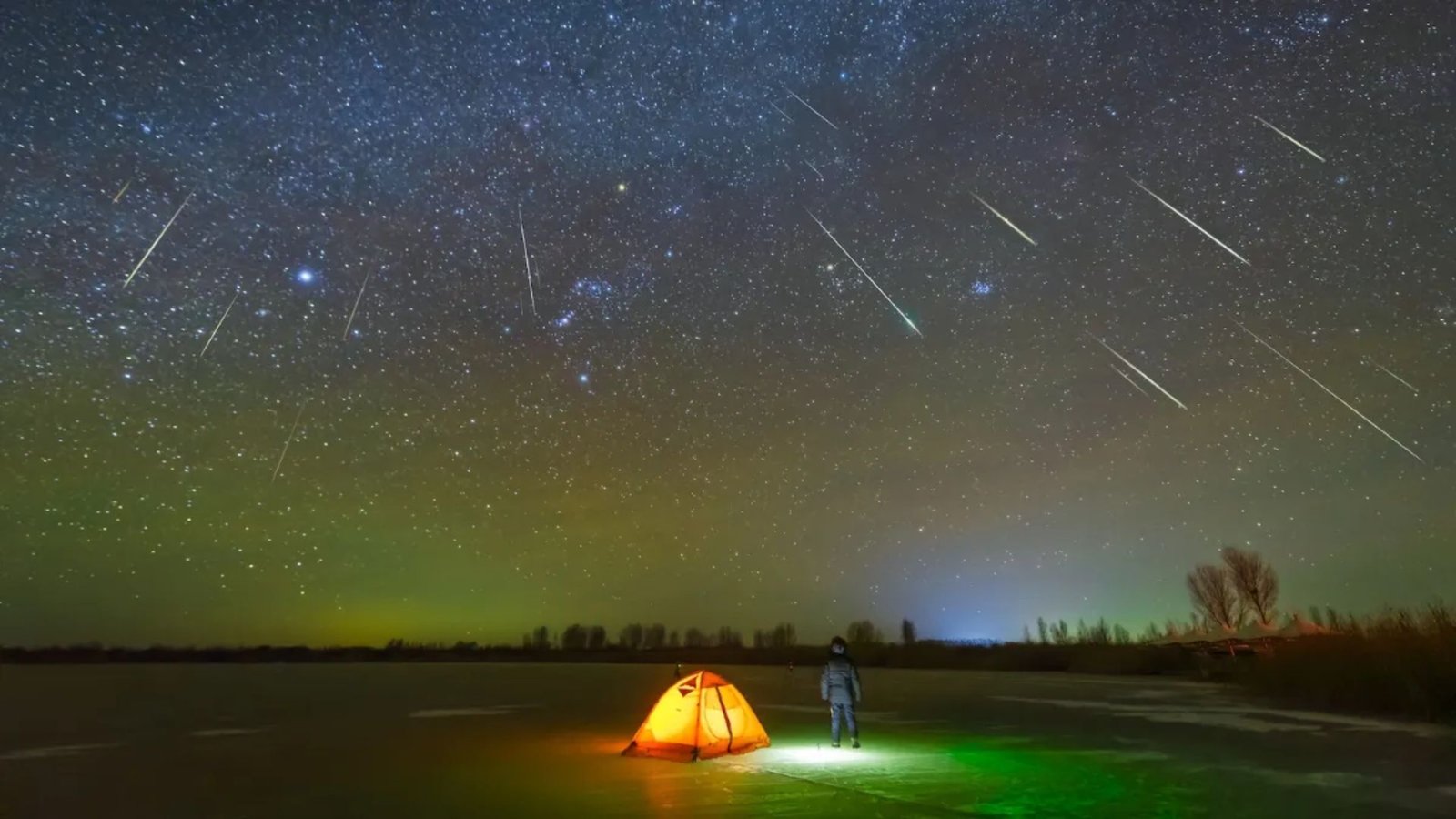
The annual Orionid meteor shower, known for its fast and often bright meteors, is currently active and expected to peak in October. Stargazers in the United States and around the world have the opportunity to witness this celestial event, provided they know when and where to look.
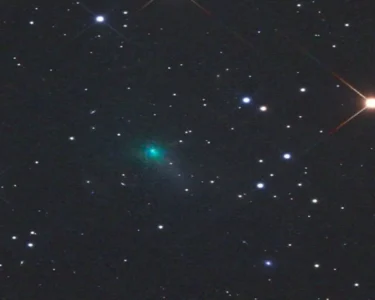
The Orionids are created by debris from Comet Halley, one of the most famous comets, which orbits the Sun approximately every 75-76 years. As the Earth passes through Halley’s debris stream, the tiny particles burn up in our atmosphere, creating the streaks of light we see as meteors. While Comet Halley itself is not visible from Earth until 2061, its legacy lives on through the Orionids and the Eta Aquariids meteor shower in May.
Optimal Viewing Times and Locations
For those in the U.S., the best time to view the Orionids is typically in the early morning hours, after midnight and before dawn. The shower is expected to be active throughout October, but the peak nights will offer the highest concentration of meteors. Finding a dark location away from city lights is crucial for optimal viewing. Rural areas with minimal light pollution are ideal. Allow your eyes to adjust to the darkness for at least 20 minutes to fully appreciate the faint meteors.
Look towards the constellation Orion, from which the meteor shower appears to originate (hence the name Orionids). However, meteors can appear anywhere in the sky, so it’s best to scan a wide area. No special equipment is needed; just your eyes and a comfortable place to lie down or sit. A blanket or reclining chair can enhance your viewing experience.
The moon’s phase can significantly impact meteor shower visibility. A bright moon can wash out fainter meteors, making them harder to see. Check the lunar calendar for the dates of the new moon, which provides the darkest skies. The closer the peak of the meteor shower is to a new moon, the better the viewing conditions will be.
Tips for Spotting Meteors
Patience is key when watching for meteors. It can take some time to spot your first one. Dress warmly, as nighttime temperatures can be chilly, especially in late October. Bring a thermos of hot coffee or tea to stay comfortable. Consider using a red flashlight to preserve your night vision while consulting star charts or adjusting your viewing position.
While the Orionids are not known for producing a large number of meteors per hour compared to some other showers, they are appreciated for their speed and brightness. Under ideal conditions, you might see around 10-20 meteors per hour. The Orionids are a reliable and visually appealing meteor shower, making them a rewarding experience for both seasoned astronomers and casual stargazers alike.
Check weather forecasts before heading out to ensure clear skies. Clouds can obstruct your view and diminish your chances of seeing meteors. Consider joining a local astronomy club or attending a star party for a shared viewing experience and expert guidance.
Image Source: Google | Image Credit: Respective Owner