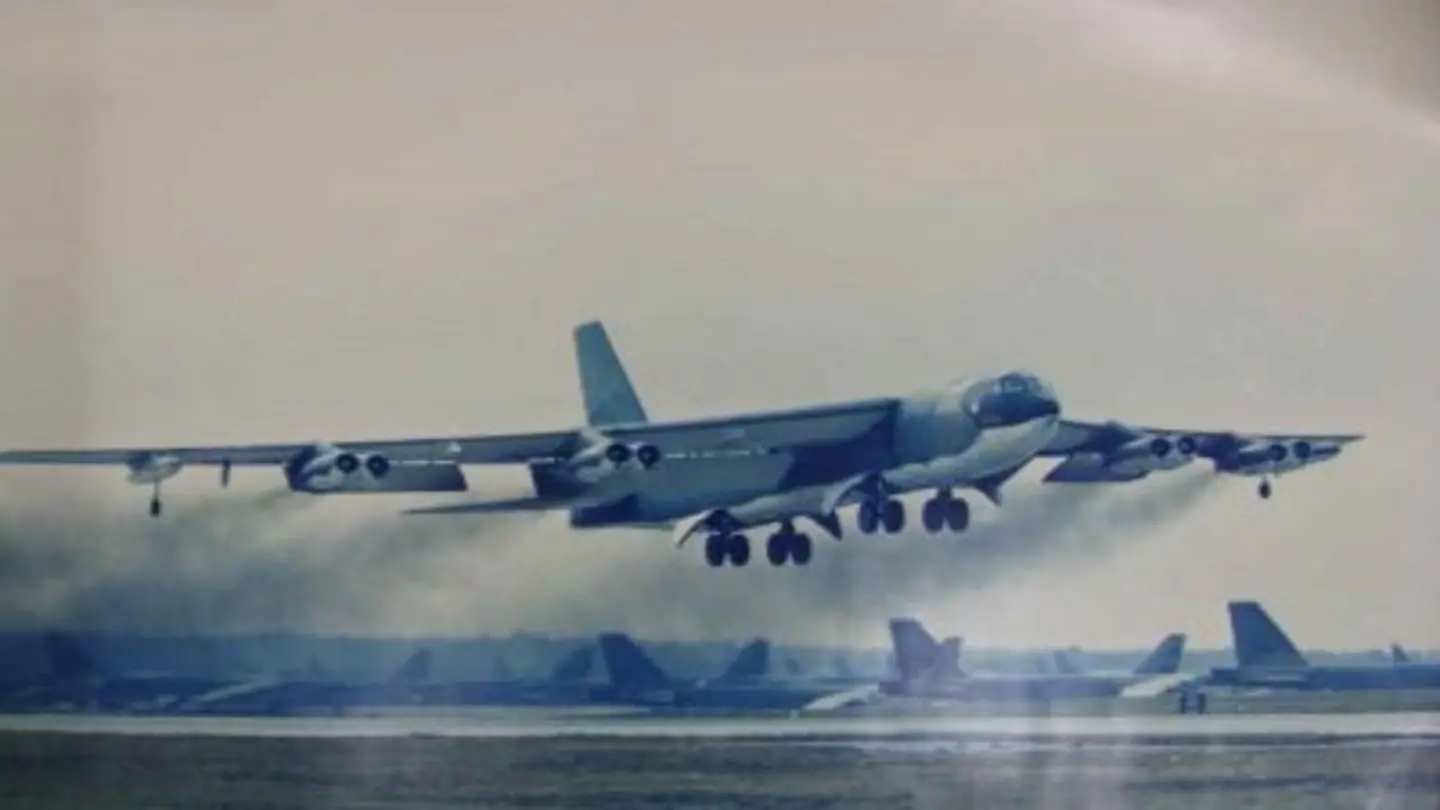
During the Christmas season of 1972, North Vietnam experienced one of the most concentrated and devastating aerial bombardments in the history of warfare, known as Operation Linebacker II, or more colloquially, the “Christmas Bombings.” Between December 18th and December 29th, over 200 B-52 Stratofortress bombers, accompanied by fighter jets, launched a relentless assault, dropping approximately 20,000 tons of ordnance on key targets throughout North Vietnam. This dramatic escalation of the Vietnam War aimed to compel North Vietnam to return to the negotiating table with more serious intentions regarding a peace settlement.
The context for the bombing campaign was a stalled peace process following the Paris Peace Accords earlier that year. The United States, under President Richard Nixon, accused North Vietnam of violating the agreement and continuing to prepare for a large-scale offensive against South Vietnam. After failed diplomatic efforts, Nixon authorized Operation Linebacker II, a bold and controversial move intended to demonstrate American resolve.
The Scale of the Offensive
The operation involved a massive deployment of American air power. B-52s, capable of carrying enormous payloads, flew from bases in Guam and Thailand, targeting vital infrastructure such as railway yards, power plants, oil storage facilities, and military installations in and around Hanoi and Haiphong. The raids were conducted both day and night, with the latter proving particularly dangerous due to the limitations of radar technology and the intense North Vietnamese air defenses.
North Vietnam responded with fierce resistance, utilizing Soviet-supplied surface-to-air missiles (SAMs) and anti-aircraft artillery (AAA). The skies over North Vietnam became a deadly battleground, with numerous American aircraft shot down. The loss of B-52s, in particular, was significant, representing a substantial blow to American strategic bombing capabilities. Despite the heavy losses, the US Air Force pressed on with the attacks.
The intensity of the bombing was unprecedented. On December 22nd, 1972, alone, the US launched 129 B-52 sorties. The sheer volume of ordnance dropped caused widespread destruction and disruption to North Vietnam’s war effort. Civilian casualties were also substantial, although precise figures remain contested.
Facing mounting pressure and significant damage to its infrastructure, North Vietnam eventually agreed to resume peace talks in Paris. On January 27th, 1973, the Paris Peace Accords were signed, officially ending US involvement in the Vietnam War. While the bombing campaign was highly controversial and resulted in significant loss of life, its proponents argue that it was a crucial factor in bringing about a negotiated settlement.
Operation Linebacker II remains a subject of debate among historians and military analysts. Critics point to the high civilian casualties and the questionable effectiveness of the bombing in achieving its objectives. However, supporters maintain that the operation demonstrated American resolve and ultimately compelled North Vietnam to negotiate in good faith, paving the way for the withdrawal of US troops and a cessation of hostilities. The operation serves as a stark reminder of the devastating consequences of aerial warfare and the complexities of conflict resolution.
Image Source: Google | Image Credit: Respective Owner