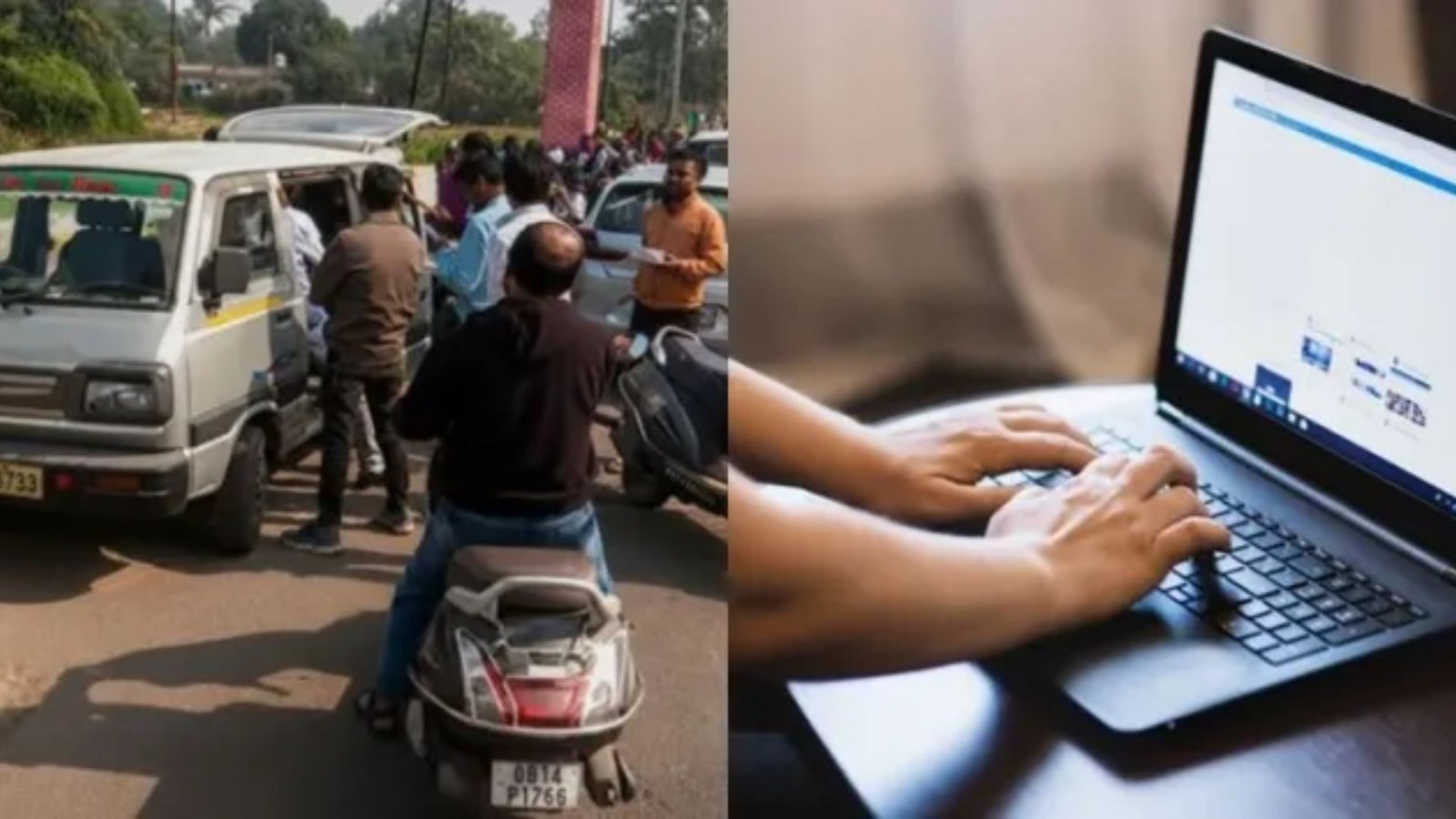
The Odisha government has withdrawn its recent mandate requiring Pollution Under Control Certificates (PUCC) for petrol vehicles. The decision, announced on February 29th, comes after widespread criticism and practical difficulties in implementation. Initially, the state transport authority had stipulated that all petrol vehicles older than three years would need to obtain a PUCC, mirroring the existing regulations for diesel vehicles.
The move sparked protests from vehicle owners and raised concerns about the logistical challenges of establishing sufficient PUCC testing centers to accommodate the increased demand. Critics argued that petrol vehicles generally produce significantly lower emissions than diesel vehicles, making the requirement disproportionate and burdensome. The lack of adequate infrastructure to handle the anticipated rush for testing was also a major point of contention.
Transport Secretary Bishnupada Sethi confirmed the withdrawal, stating that the government had reconsidered the decision following representations from various stakeholders. He emphasized that the government remains committed to controlling vehicular pollution but recognizes the need for a more practical and effective approach. The initial notification regarding the PUCC requirement for petrol vehicles has been rescinded.
Rationale Behind the Initial Mandate
The original mandate aimed to curtail rising pollution levels in several urban centers of Odisha. Authorities pointed to the contribution of older vehicles, regardless of fuel type, to the overall emission load. By extending the PUCC requirement to petrol vehicles, the government hoped to encourage better vehicle maintenance and reduce harmful pollutants released into the atmosphere. However, the rapid backlash highlighted the lack of preparedness and perceived unfairness of the regulation.
The current regulations continue to require PUCCs for all diesel vehicles, as well as for petrol vehicles older than ten years. This tiered approach is intended to target the vehicles with the highest pollution potential while minimizing inconvenience for owners of newer, more environmentally friendly petrol cars. The government will likely explore alternative strategies for addressing vehicular pollution, potentially focusing on stricter emission standards for new vehicles and promoting the adoption of electric vehicles.
The state transport department is expected to issue a revised notification clarifying the current PUCC requirements. Vehicle owners are advised to check the official website for the most up-to-date information. Opposition parties had been quick to condemn the initial mandate, labeling it ‘anti-people’ and ‘ill-conceived’. The government’s swift reversal of the policy is likely to be seen as a victory for these groups and the general public.
While the immediate crisis concerning petrol vehicle owners is averted, the issue of air quality in Odisha’s cities remains a significant concern. Further measures aimed at tackling industrial emissions and promoting public transportation will be crucial in achieving sustainable improvements in environmental health. Authorities have indicated a willingness to consider feedback from citizens and experts as they develop future pollution control strategies.
Image Source: Google | Image Credit: Respective Owner