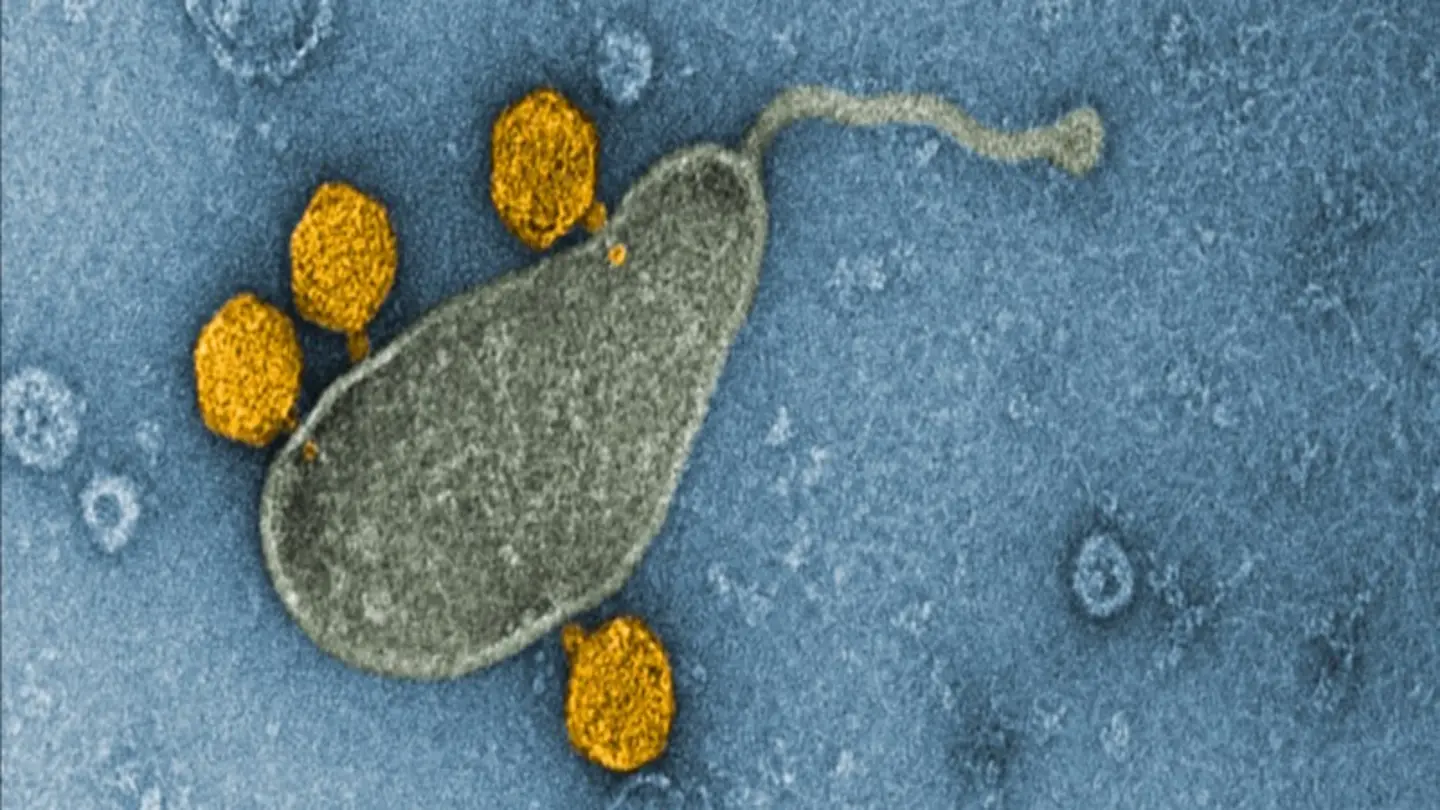
A groundbreaking new study published this week has revealed significant vulnerabilities within *SAR11*, a dominant group of bacteria found throughout the world’s oceans. These bacteria play a crucial role in the marine ecosystem, influencing carbon cycling and nutrient distribution, making their potential instability a cause for concern as the planet experiences increasing environmental change. The research, conducted by an international team of scientists and detailed in the journal *Nature Microbiology*, highlights a previously unknown sensitivity of *SAR11* to shifts in temperature and salinity – factors increasingly impacted by climate change.
Researchers utilized advanced genomic sequencing and laboratory simulations to assess the resilience of *SAR11* populations under various stress conditions. They discovered that while the bacteria are generally adaptable, rapid and extreme changes in their environment trigger a cascade of physiological responses, ultimately leading to reduced growth rates and altered metabolic processes. Specifically, the study found that elevated temperatures, even within the projected ranges for future ocean warming, significantly impaired the bacteria’s ability to efficiently utilize dissolved organic carbon – a key food source.
Understanding the Ecosystem Impact
The implications of this research extend far beyond the laboratory. *SAR11* is estimated to comprise approximately 10% of the global ocean’s microbial biomass, suggesting that its vulnerability could have a ripple effect throughout the entire marine food web. A decline in *SAR11* populations could disrupt the delicate balance of nutrient cycling, potentially impacting the abundance and distribution of larger marine organisms, including fish and marine mammals. Furthermore, the bacteria’s role in carbon sequestration – the process of capturing and storing atmospheric carbon dioxide – could be compromised, further exacerbating the effects of climate change.
“We’ve known for some time that *SAR11* is a remarkably adaptable organism,” explained Dr. Emily Carter, lead author of the study. “However, this research demonstrates that it’s not invincible. The speed at which these changes are occurring, driven by human activities, is exceeding the bacteria’s capacity to adjust, creating a potentially destabilizing situation.”
The study’s authors emphasize the urgent need for further research to fully understand the long-term consequences of these vulnerabilities. They are currently investigating the mechanisms underlying the bacteria’s sensitivity and exploring potential strategies for mitigating the impacts of environmental change. This includes examining the role of microbial interactions and the potential for adaptation through evolutionary processes. The research team plans to continue monitoring *SAR11* populations in various ocean regions to track changes and assess the effectiveness of potential conservation efforts. Ultimately, the findings underscore the interconnectedness of the marine environment and the profound consequences of disrupting its delicate balance.
Image Source: Google | Image Credit: Respective Owner