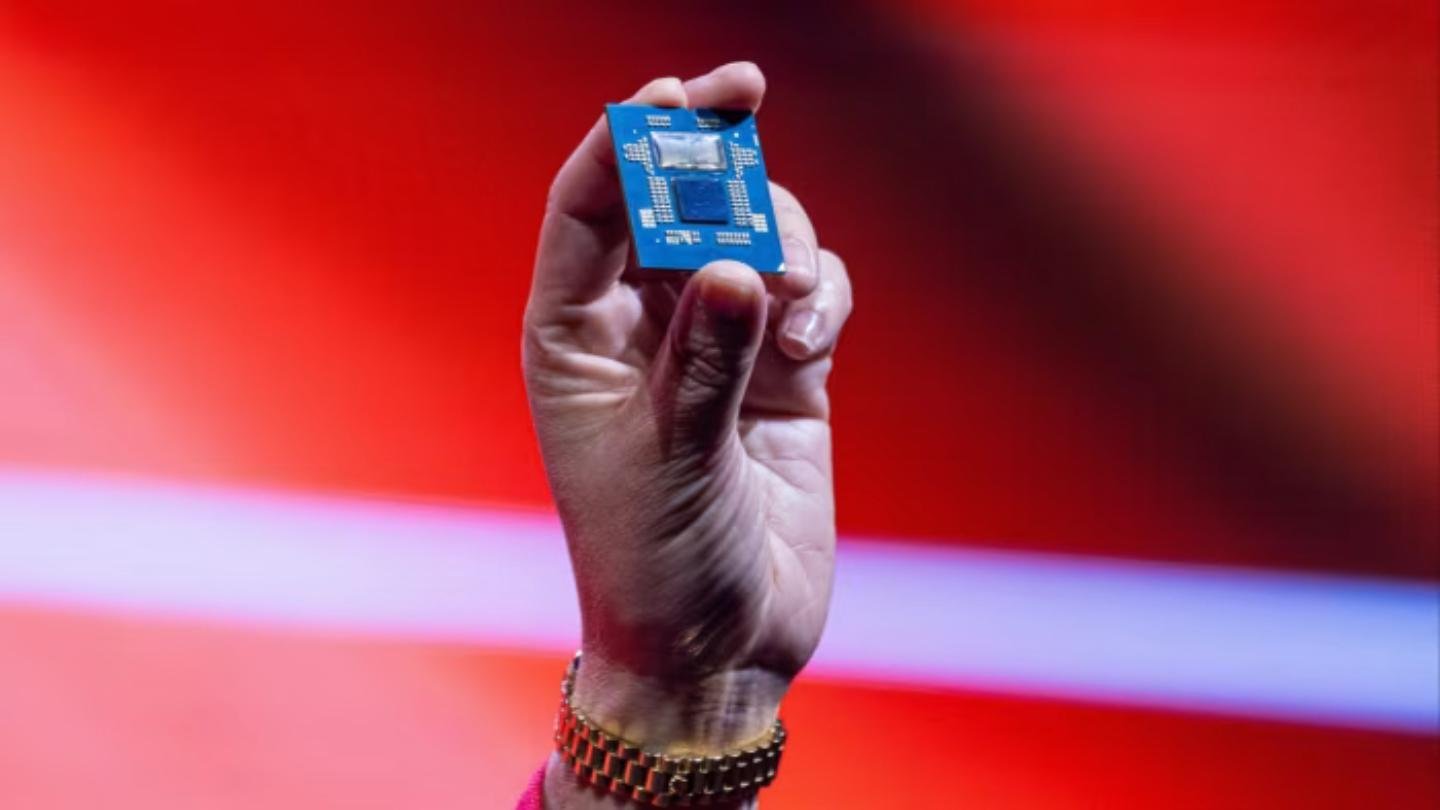
Nvidia and AMD have struck a rare deal with the US government, agreeing to hand over 15% of revenue from certain chip sales to China in exchange for export licences.
The arrangement — confirmed by a US official and people familiar with the matter — covers Nvidia’s H20 AI chips and AMD’s MI308 processors, both designed for the Chinese market. Licences for the products were granted last week, just days after Nvidia CEO Jensen Huang met President Donald Trump at the White House.
An Unprecedented Deal
Export control specialists say no US company has previously been required to share revenue as a condition for obtaining licences. The move reflects the Trump administration’s transactional approach to trade and export policy, where companies may be asked to make financial or investment commitments to secure market access.
Analysts at Bernstein estimate Nvidia could sell roughly 1.5 million H20 chips in China in 2025, generating about $23 billion in revenue — which means the 15% share could amount to billions for the US government. Officials have not said how the funds will be used.
Policy Reversal on China Sales
The H20 chip was created to meet US export rules after the Biden administration’s 2023 ban on selling more advanced AI chips to China. In April this year, the Trump administration announced a ban on H20 exports, but that decision was reversed in June following Huang’s meeting with Trump.
Nvidia had been waiting for months for licences from the Bureau of Industry and Security (BIS), the Commerce Department agency that oversees export controls. Licences began to be issued just two days after the White House meeting.
Security Concerns and Criticism
Critics, including former US national security officials, argue that the H20 could boost China’s military AI capabilities. Liza Tobin, a former National Security Council China expert, said the deal “turns export licences into revenue streams” for Washington but risks strengthening Beijing.
Nvidia has rejected those claims, saying the H20 is not suited for military use and that blocking sales would harm America’s competitiveness in global AI markets.
Broader Trade Context
The decision comes as the US and China hold trade talks that could lead to a summit between Trump and Chinese President Xi Jinping. Reports suggest the Commerce Department has been told to pause new export restrictions to avoid tensions with Beijing. China is also lobbying for fewer controls on high-bandwidth memory chips, vital for advanced AI production.
Image Source: Google Images
Image Credit: Respective Owner