November promises a captivating array of astronomical events, offering stargazers a chance to witness celestial wonders. From meteor showers to a full Beaver Moon, the month is packed with opportunities to connect with the cosmos.
Meteor Showers Light Up the Night Sky
The Taurids meteor shower, active throughout November, will present a prolonged display of shooting stars. Unlike some showers with brief peaks, the Taurids offer a more sustained performance. While not as intense as other showers, the bright meteors, often appearing as fireballs, are a captivating sight. Viewing is best from dark locations, away from city lights, allowing the fainter meteors to become visible. Observers should look towards the constellation Taurus, from which the meteors appear to originate. Another notable shower, the Leonids, peaks around mid-November. These meteors are known for their speed and occasional outbursts, although significant activity is not expected this year. The Leonids are associated with Comet Tempel-Tuttle and their peak can vary in intensity.
The Beaver Moon Illuminates the Sky
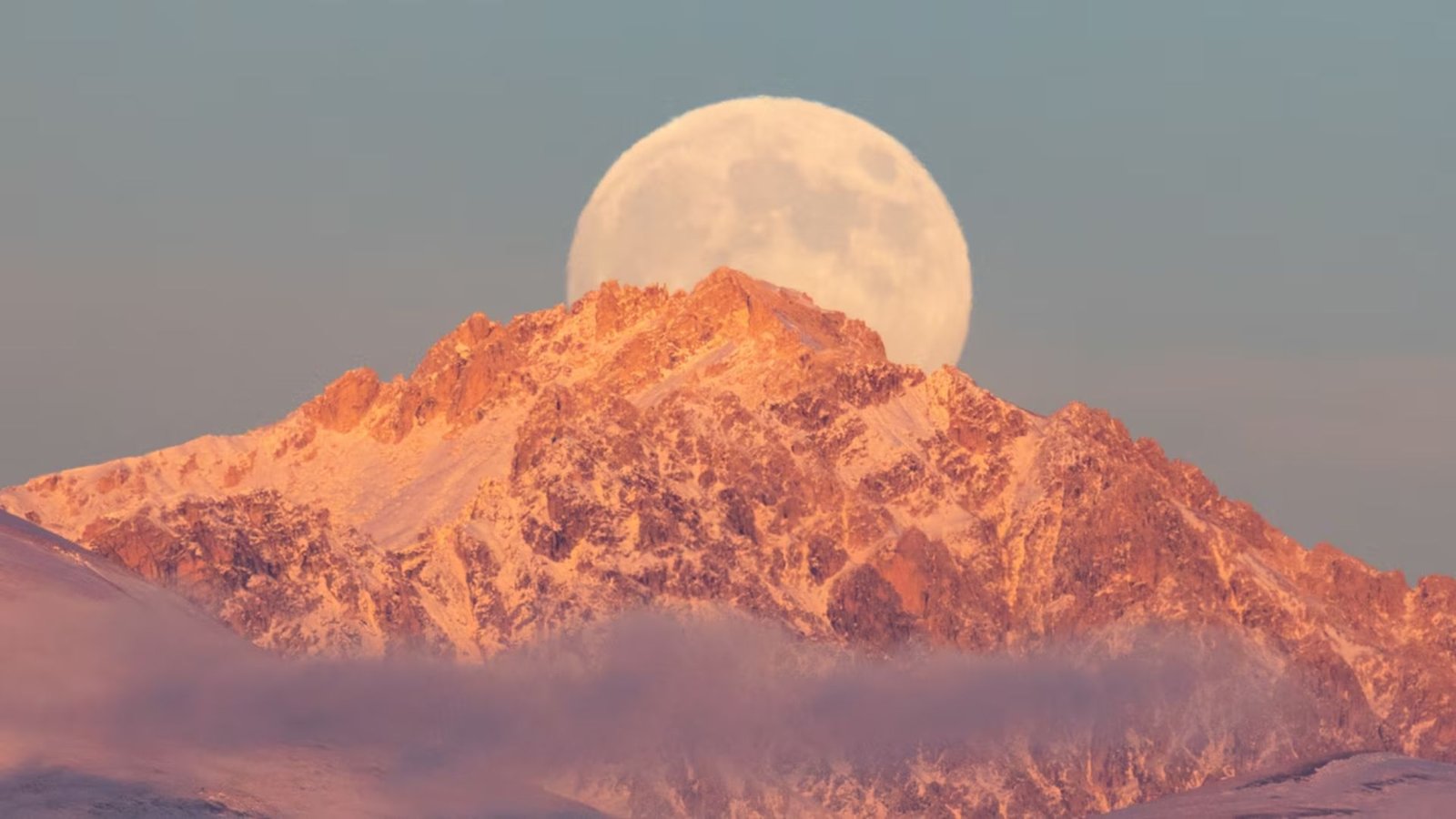
November’s full moon, traditionally known as the Beaver Moon, will grace the night sky on November 27th. This name originates from Native American traditions, referring to the time of year when beavers are actively building their dams in preparation for winter. The full moon will appear large and bright, providing an excellent opportunity for lunar photography. Its proximity to the horizon can create stunning visuals, especially when viewed through trees or over landscapes. The Beaver Moon holds cultural significance, reflecting the rhythms of nature and the changing seasons.
Other Notable Events
While meteor showers and the full moon are the highlights, other astronomical events add to November’s celestial tapestry. Look for opportunities to spot planets in the night sky, particularly Venus and Jupiter, which often appear as bright stars. Utilize stargazing apps and websites to identify constellations and other celestial objects. Observing the night sky is a rewarding experience that connects us to the vastness of the universe. Before heading out for stargazing, check the weather forecast to ensure clear skies. Dress warmly, bring binoculars or a telescope if available, and allow your eyes to adjust to the darkness for optimal viewing.
November’s astronomical events offer something for everyone, from casual observers to seasoned astronomers. Whether you’re watching for meteors, admiring the full moon, or exploring the constellations, take time to appreciate the beauty and wonder of the night sky. Remember to share your experiences with friends and family, and encourage others to discover the joys of stargazing.
Image Source: Google | Image Credit: Respective Owner