The Nobel Prize, a prestigious accolade, recognizes individuals who have conferred the greatest benefit to humankind through their groundbreaking achievements. Over the past five years, numerous laureates have been honored for discoveries that have profoundly impacted various fields, from medicine to physics and chemistry, reshaping our understanding of the world and paving the way for future innovations. Here’s a glimpse into some of these remarkable achievements:
Physiology or Medicine
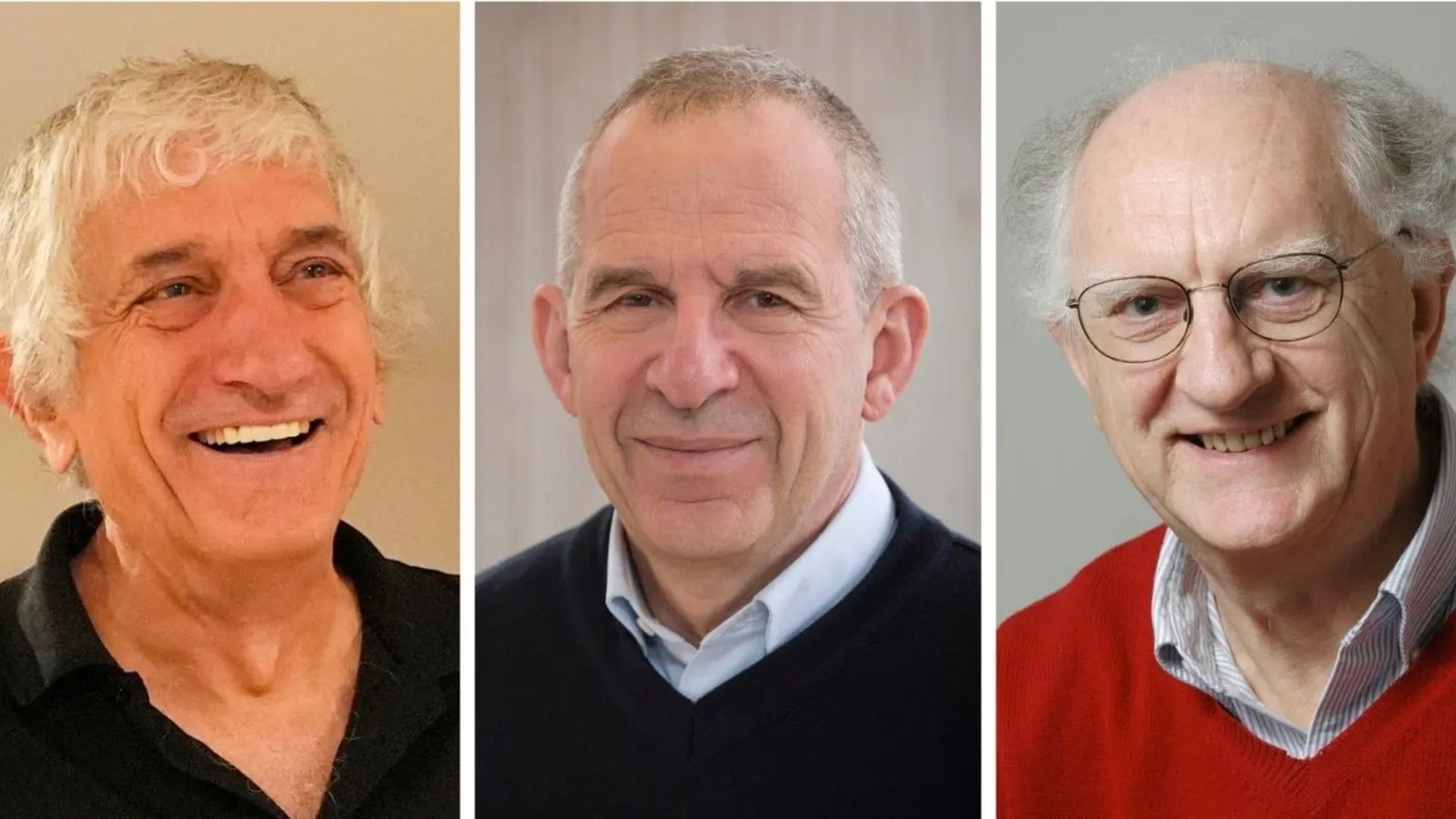
In 2020, Harvey J. Alter, Michael Houghton, and Charles M. Rice were jointly awarded the Nobel Prize in Physiology or Medicine for their discovery of the Hepatitis C virus. Prior to their work, Hepatitis A and B were known, but a significant number of blood-borne hepatitis cases remained unexplained. Their research identified the Hepatitis C virus as the culprit, leading to the development of highly sensitive blood tests and effective antiviral medications. This discovery has significantly reduced the global burden of liver disease and saved millions of lives.
In 2023, Katalin Karikó and Drew Weissman received the Nobel Prize for their discoveries concerning nucleoside base modifications that enabled the development of effective mRNA vaccines against COVID-19. Their groundbreaking research overcame challenges that had plagued mRNA vaccine development for decades, ultimately leading to the rapid creation of vaccines that proved crucial in combating the pandemic. Their work holds immense potential for future vaccine development and gene therapies.
Physics
The 2019 Nobel Prize in Physics was awarded jointly to James Peebles for theoretical discoveries in physical cosmology, and to Michel Mayor and Didier Queloz for the discovery of an exoplanet orbiting a solar-type star. Peebles’ theoretical framework laid the foundation for understanding the structure and evolution of the universe, while Mayor and Queloz’s discovery of 51 Pegasi b, the first exoplanet found orbiting a sun-like star, revolutionized our understanding of planetary systems and opened up new avenues for exploring the possibility of life beyond Earth.
Chemistry
Emmanuelle Charpentier and Jennifer A. Doudna were awarded the 2020 Nobel Prize in Chemistry for the development of a method for genome editing. Their discovery of the CRISPR-Cas9 genetic scissors has revolutionized molecular biology, allowing scientists to precisely edit DNA with unprecedented ease and accuracy. This technology has wide-ranging applications, from correcting genetic defects to developing new therapies for diseases.
In 2022, Carolyn R. Bertozzi, Morten Meldal, and K. Barry Sharpless were jointly awarded the Nobel Prize in Chemistry for the development of click chemistry and bioorthogonal chemistry. Their work has provided chemists with powerful new tools for building complex molecules quickly and efficiently, with applications in drug discovery, materials science, and bioconjugation. Click chemistry has simplified the process of creating new molecules, making it easier to synthesize pharmaceuticals and other important compounds.
These Nobel Prize-winning discoveries highlight the power of scientific inquiry to address some of the world’s most pressing challenges and expand our understanding of the universe. They serve as an inspiration to scientists and researchers around the globe, encouraging them to continue pushing the boundaries of knowledge and innovation.
Image Source: Google | Image Credit: Respective Owner