The annual Nobel Prize awards in Oslo witnessed a notable absence this year as two laureates, Maria Corina Machado and Narges Mohammadi, were unable to attend the ceremony in person due to political persecution and restrictive conditions in their home countries.
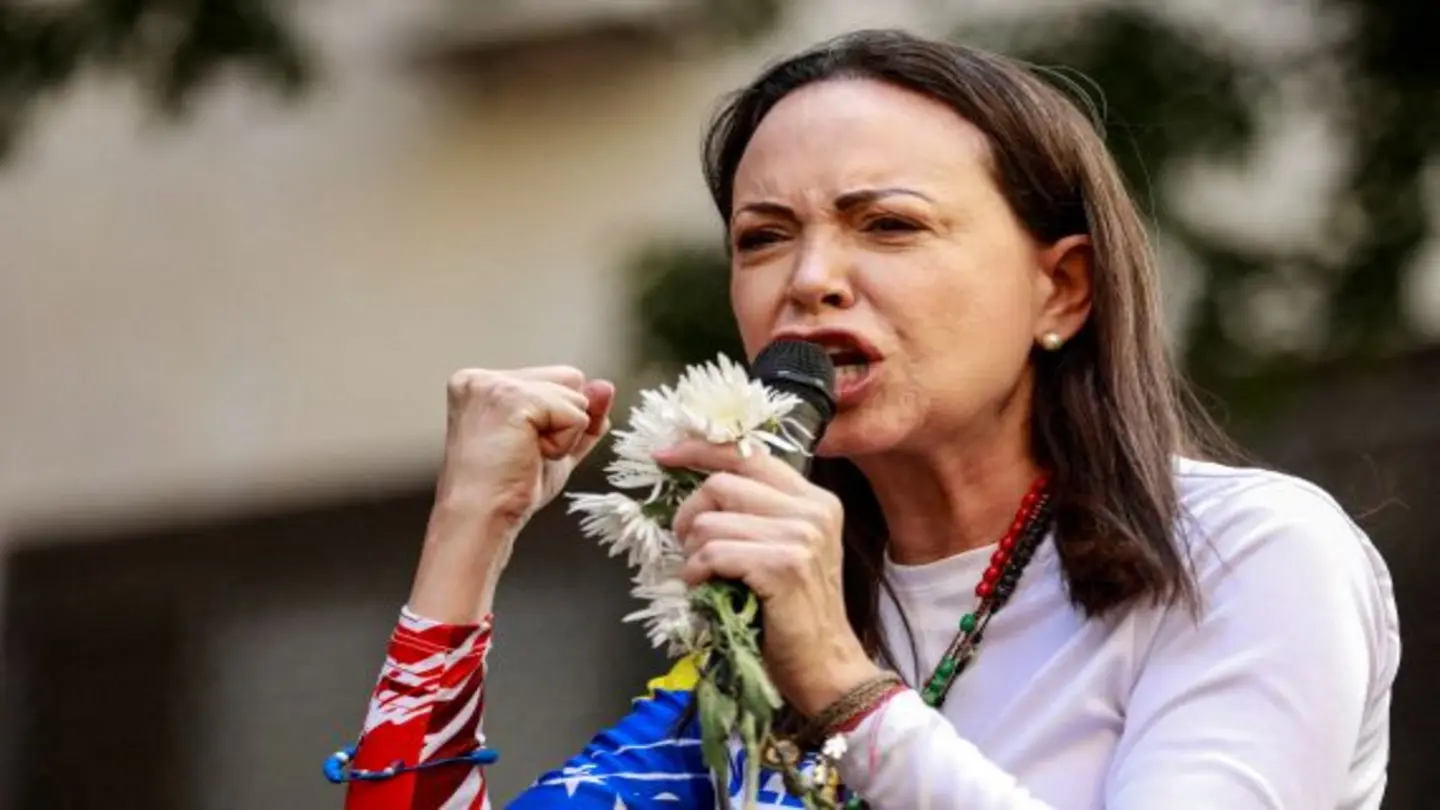
Maria Corina Machado, a Venezuelan opposition leader and human rights activist, faces severe government retaliation for hercriticism of the regime. Her travel restrictions and constant surveillance made it impossible for her to travel to Norway to receive her award. Machado had been recognized for her courageous advocacy for democratic reforms and freedom of speech in Venezuela, where she has been repeatedly targeted with legal harassment and threats.
Narges Mohammadi, an Iranian activist and jailer of conscience, remains imprisoned in Iran’s notorious Evin Prison. She was awarded the Nobel Peace Prize for her decades-long struggle for human rights, particularly for women’s rights and freedom of expression. Mohammadi’s incarceration prevents her from attending the ceremony, though her fellow activists and supporters delivered messages on her behalf.
The absence of these laureates underscores the global struggle for human rights and the risks faced by advocates who challenge oppressive regimes. Both women have become symbols of resistance, demonstrating that the pursuit of justice often comes at a steep personal cost. Their inability to attend the prestigious event highlights the broader issue of political prisoners worldwide who remain detained despite international recognition of their work.
In Oslo,-empty chairs were placed on stage to represent Machado and Mohammadi, serving as a powerful visual reminder of their absence. Speeches delivered during the ceremony emphasized their sacrifices and reiterated calls for their immediate release and freedom to participate in the global celebration of their achievements. Nobel Committee members stressed that the awards remain a testament to their unwavering commitment to human dignity and democratic values.
Machado’s situation reflects the Ongoing political crisis in Venezuela, where opposition figures face relentless persecution. Despite risks, she continues to organize peaceful protests and advocate for free elections. Her legal battles and house arrest have not dampened her resolve, earning her admiration from international rights groups.
Mohammadi’s case illustrates Iran’s systemic suppression of dissent. As the founder of the DefendHuman Rights Center, she has documented countless cases of torture and unfair trials. Her imprisonment includes frequent solitary confinement and denial of medical care. Even from behind bars, her influence persists, inspiring a new generation of activists to challenge Iran’s authoritarian policies.
The Nobel Committee’s decision to award these women underscores the importance of international solidarity with oppressed communities. By highlighting their work, the organization aims to amplify their voices and pressure governments to end human rights abuses. The empty seats in Oslo serve as a stark reminder that freedom of expression and political participation remain elusive for many across the world.
Supporters plan to continue advocating for both laureates through social media campaigns, diplomatic channels, and public awareness efforts. Campaigns such as #FreedomForMariaCorina and #FreeNargesMohammadi have gained traction, drawing attention to the urgent need for global intervention. The international community remains divided on how to respond, but the Nobel recognition has unified many in calling for justice and humane treatment for these prisoners of conscience.
Image Source: Google | Image Credit: Respective Owner