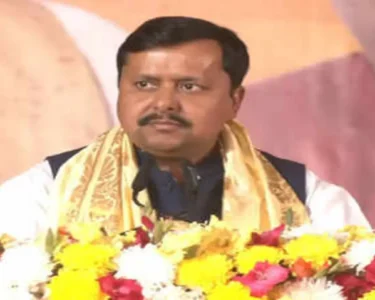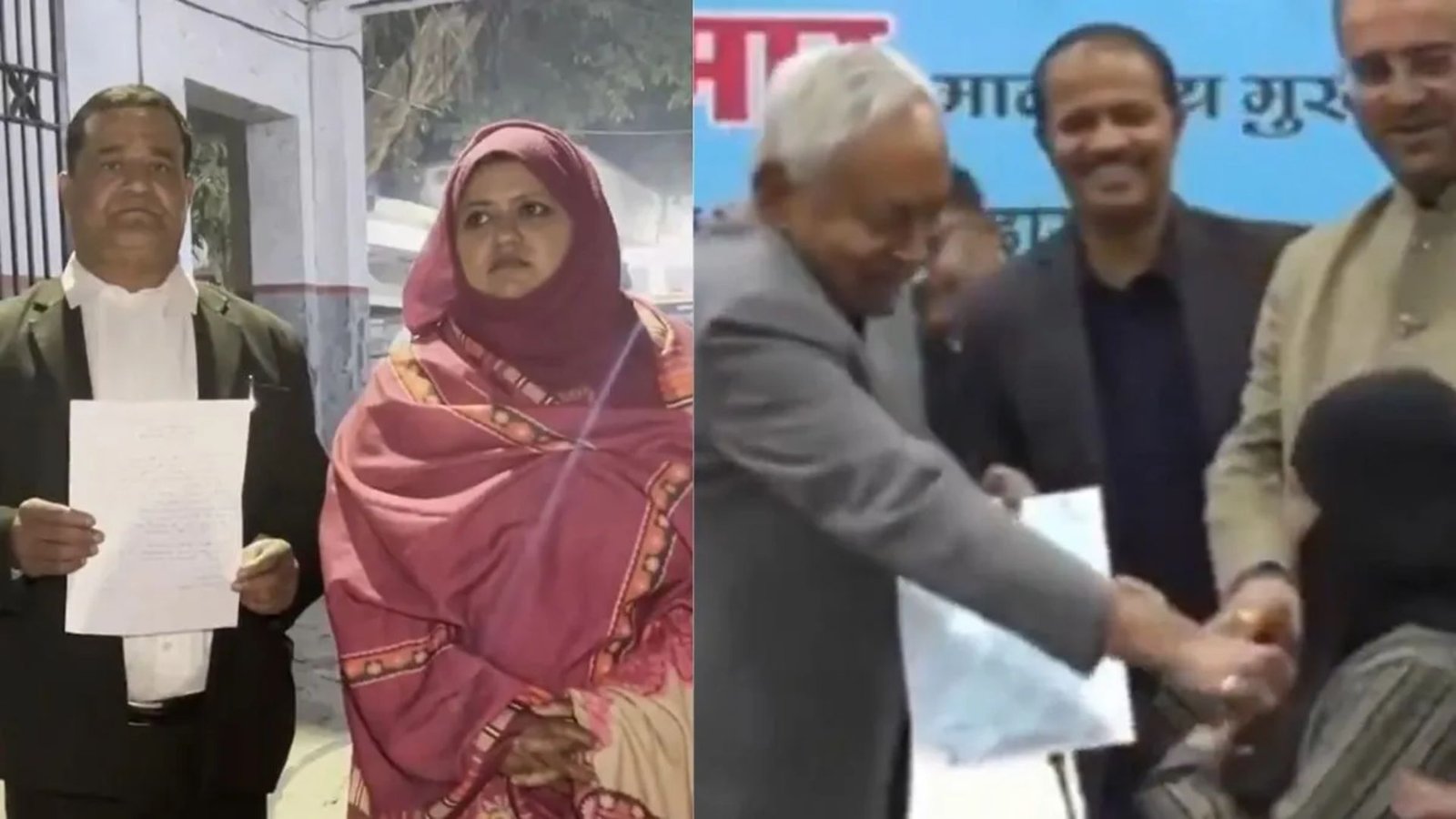
The political firestorm in Bihar intensified as Union Minister Giriraj Singh’s inflammatory remarks targeting a woman in the ongoing hijab controversy drew widespread condemnation. The controversy began when a woman protested against the hijab policy during an official event, leading to a sharp exchange that has now escalated into a major political issue.
Speaking to media representatives, Singh stated that the woman protesting the hijab could ‘go to hell’ for her actions. The blunt dismissal of dissent has triggered outrage across political parties and civil society organizations, with opposition leaders demanding an immediate apology from the senior Bharatiya Janata Party leader. The remarks have been criticized as inappropriate and unbecoming of a union minister.
Political analysts suggest the incident reflects the deepening cultural and religious fault lines in Indian politics, particularly around issues of religious expression and personal choice. The hijab has become a contentious symbol in recent years, with various states implementing different policies regarding its wear in educational institutions and government offices.
The controversy comes at a sensitive time for the Nitish Kumar-led government in Bihar, which has been attempting to maintain a delicate balance between various political and social constituencies. Opposition parties have seized upon Singh’s comments to attack the ruling alliance, arguing that such language undermines democratic values and women’s rights to express their views.
Civil society organizations and women’s rights groups have also joined the chorus of criticism, emphasizing that personal attacks on individuals exercising their democratic rights to protest are unacceptable. The incident has sparked broader conversations about political discourse and the treatment of dissent in contemporary India.
As pressure mounts for an apology, political observers note that the controversy could have implications for the broader political landscape in Bihar. The state has historically been a battleground for competing visions of secularism and religious identity, making such incidents particularly charged.
The controversy shows no signs of abating, with social media amplifying both sides of the debate. While supporters of the minister argue that he was defending cultural values, critics maintain that the language used was inappropriate and that the focus should remain on policy discussions rather than personal attacks.
Image Source: Google | Image Credit: Respective Owner