Scientists are leveraging enhanced nadir-altimetry and early data from the Surface Water and Ocean Topography (SWOT) mission to improve the monitoring of water level and discharge variations in rivers and other water bodies. This innovative approach offers significant advancements in understanding hydrological processes and managing water resources.
Traditional methods of monitoring water levels and discharge often rely on ground-based gauges, which can be sparse and unevenly distributed, particularly in remote or inaccessible regions. Satellite altimetry provides a valuable alternative, offering a synoptic view of water surface elevations over large areas. Nadir-altimeters, which measure the distance to the Earth’s surface along a single vertical track, have been used for decades to monitor sea levels and, more recently, inland water bodies. However, their spatial resolution is limited by the spacing between satellite tracks.
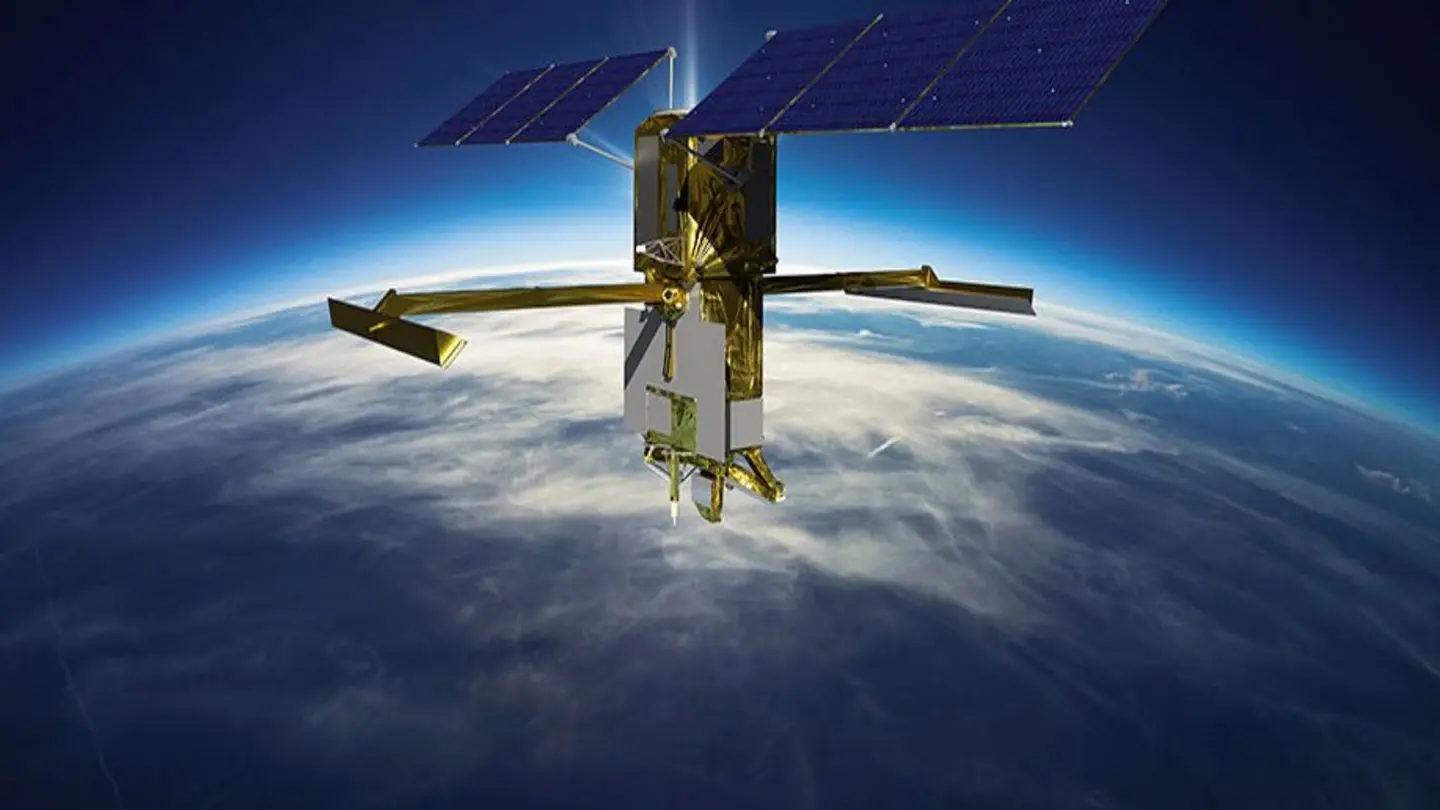
The SWOT mission, launched in December 2022, represents a significant leap forward in satellite altimetry. Unlike nadir-altimeters, SWOT uses a wide-swath radar interferometer to measure water surface elevations over a 120-kilometer-wide swath. This enables it to capture detailed information about the topography of rivers, lakes, and wetlands, including their width, slope, and water surface area. By combining data from nadir-altimeters with early SWOT data, researchers are able to create a more comprehensive and accurate picture of water level and discharge variations.
Combining Data Sources
The enhanced nadir-altimetry techniques involve reprocessing existing satellite altimetry data to improve its accuracy and spatial resolution. This can be achieved by using advanced algorithms to correct for errors caused by atmospheric effects, surface roughness, and other factors. In addition, researchers are developing methods to fuse nadir-altimetry data with other data sources, such as satellite imagery and hydrological models, to further enhance its value.
The early data from the SWOT mission is already providing valuable insights into the dynamics of rivers and lakes around the world. Scientists are using this data to study the impacts of climate change on water resources, to improve flood forecasting, and to manage water supplies for agriculture and other uses. The combination of enhanced nadir-altimetry and SWOT data is expected to lead to even greater advances in our understanding of the global water cycle.
This research has the potential to revolutionize the way we monitor and manage water resources. By providing more accurate and timely information about water level and discharge variations, it can help us to better prepare for and respond to droughts, floods, and other water-related challenges. The integration of satellite data with hydrological models and ground-based observations will be crucial for realizing the full potential of this technology.
Image Source: Google | Image Credit: Respective Owner