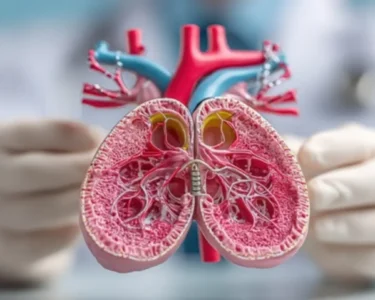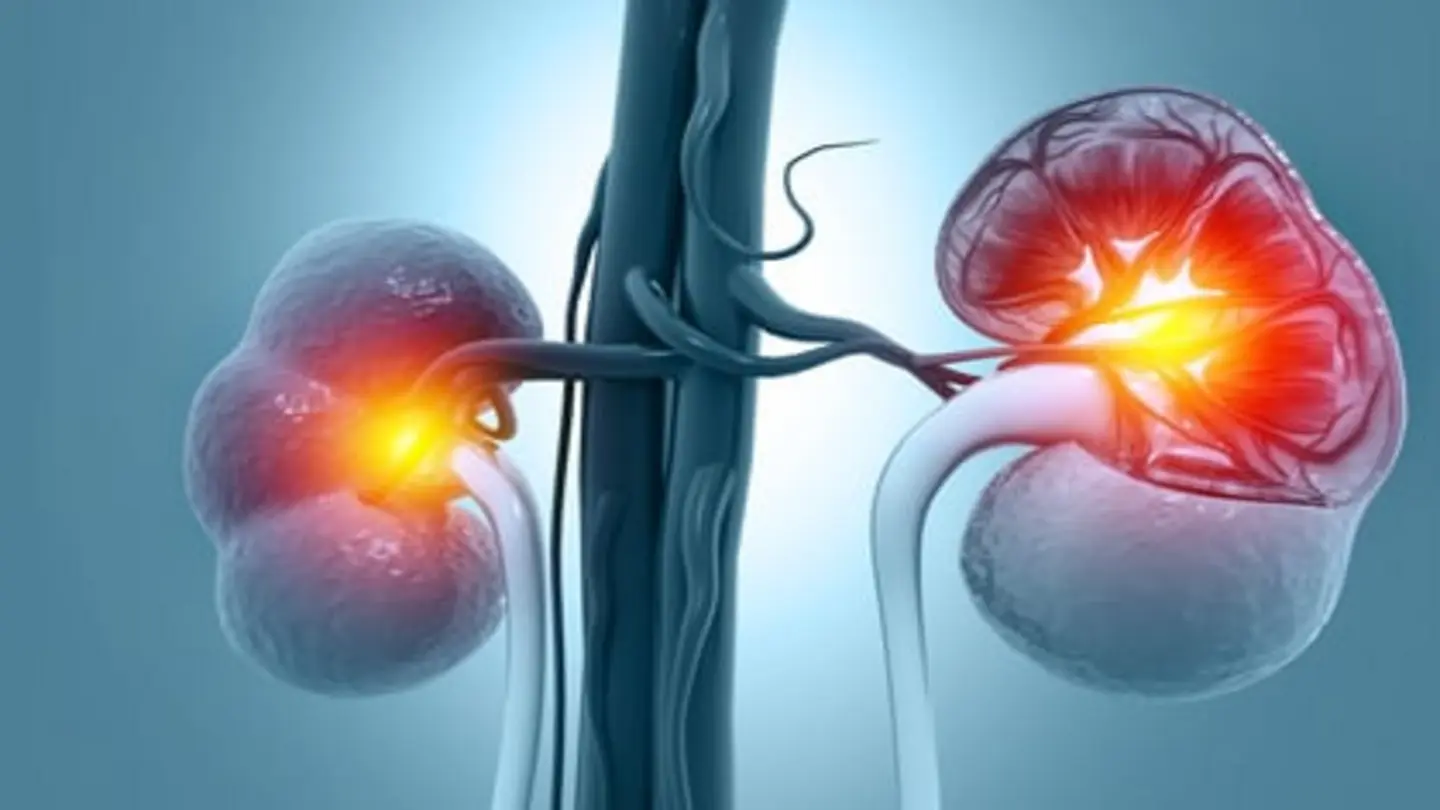
Researchers are exploring novel therapeutic strategies focused on the endothelin and angiotensin pathways to protect kidney function in patients suffering from glomerular diseases. These diseases, characterized by inflammation and damage to the kidney’s filtering units (glomeruli), are a leading cause of chronic kidney disease (CKD) and kidney failure.
Current treatments often focus on managing symptoms and slowing disease progression, but frequently fail to fully prevent the decline in kidney function. The European Medical Journal highlights recent investigations suggesting that simultaneously targeting both the endothelin and angiotensin systems may offer a more effective approach to preservation.
The endothelin pathway is known to contribute to vasoconstriction (narrowing of blood vessels) and fibrosis (scarring) within the kidneys. Blocking this pathway can help to dilate blood vessels, improving blood flow to the glomeruli, and reduce the formation of scar tissue. Similarly, the angiotensin pathway plays a crucial role in blood pressure regulation and inflammation. Angiotensin-converting enzyme inhibitors (ACEIs) and angiotensin receptor blockers (ARBs) are already widely used to manage blood pressure and protect the kidneys, but researchers believe combining these with endothelin receptor antagonists could yield synergistic benefits.
Study Findings and Implications
Preclinical studies, including those utilizing animal models of glomerular disease, have demonstrated promising results. Dual blockade of these pathways has shown to significantly reduce proteinuria (protein in the urine, a marker of kidney damage), slow the progression of fibrosis, and improve overall kidney function compared to single-pathway blockade. These findings suggest a potential for additive or even multiplicative effects when targeting both systems.
However, translating these findings to human clinical trials presents challenges. One major concern is the potential for side effects. Both endothelin and angiotensin pathways are involved in essential physiological processes, and complete blockade can lead to complications such as hypotension (low blood pressure) and electrolyte imbalances. Therefore, researchers are focusing on developing selective antagonists that target specific receptors within these pathways, minimizing off-target effects.
Another area of investigation is identifying which patients are most likely to benefit from this combined therapy. Biomarkers that predict responsiveness to endothelin or angiotensin blockade are being sought to personalize treatment strategies. Genetic factors and the specific type of glomerular disease may also influence treatment outcomes.
The research emphasizes the importance of a multifaceted approach to managing glomerular diseases. Alongside pharmacological interventions, lifestyle modifications such as dietary changes, blood pressure control, and smoking cessation remain crucial for kidney health. Further clinical trials are needed to confirm the efficacy and safety of dual endothelin-angiotensin pathway blockade in humans and to establish optimal treatment protocols. The ultimate goal is to develop therapies that can not only slow but potentially halt or even reverse the progression of these debilitating kidney conditions, improving the quality of life for millions affected worldwide.
The ongoing research offers a beacon of hope for individuals facing the challenges of glomerular disease and the threat of kidney failure, paving the way for more targeted and effective treatments in the future.
Image Source: Google | Image Credit: Respective Owner