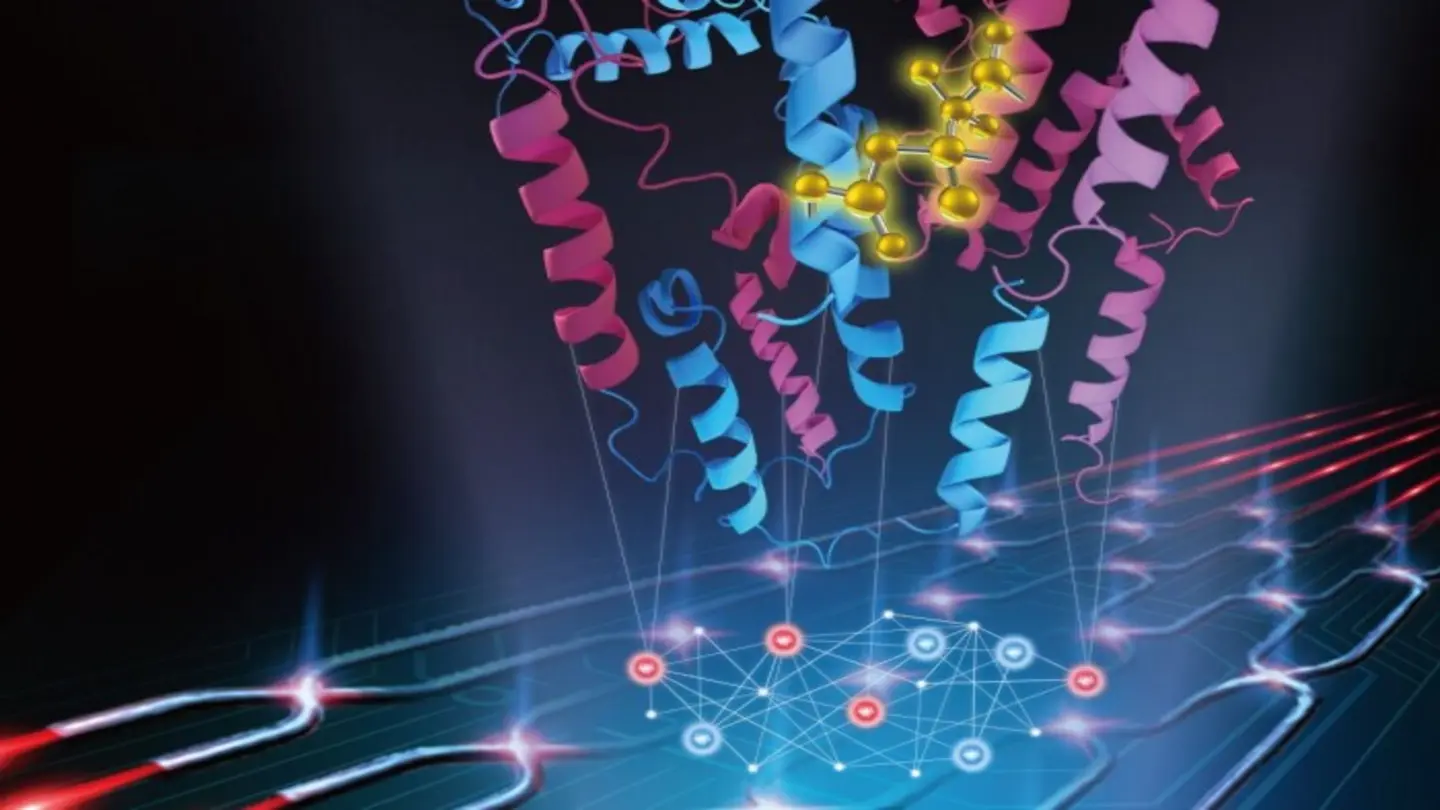
A novel computational method developed by researchers is poised to significantly accelerate the drug discovery process, potentially leading to faster development of treatments for a wide range of diseases. Dubbed “Fast-Track,” the technique streamlines the identification of promising drug candidates by efficiently navigating the vast chemical space and predicting molecular interactions.
The research, originating from the Department of Science and Technology (DST), India, addresses a critical bottleneck in pharmaceutical innovation: the time and cost associated with screening potential drug molecules. Traditionally, this involves extensive laboratory experiments and simulations, a process that can take years and require substantial investment. Fast-Track leverages advanced algorithms and machine learning to prioritize molecules with a high likelihood of therapeutic efficacy, reducing the need for exhaustive physical testing.
The core of the method lies in its ability to accurately predict the binding affinity between drug candidates and target proteins. This prediction is crucial because a drug’s effectiveness hinges on how strongly and specifically it interacts with the protein responsible for the disease. Previous computational approaches often struggled with the complexity of these interactions, leading to inaccurate predictions and wasted resources. Fast-Track overcomes these limitations through a refined scoring function and improved sampling techniques.
How Fast-Track Works
Researchers trained the algorithm on a massive dataset of known drug-protein interactions. This allowed the system to learn the subtle patterns and characteristics that govern successful binding. Once trained, Fast-Track can rapidly assess the potential of new molecules, identifying those most likely to exhibit the desired therapeutic effect. The method is also designed to be adaptable, meaning it can be retrained and refined as new data becomes available, continually improving its accuracy.
The DST highlights that this innovation isn’t intended to replace traditional laboratory methods entirely, but rather to complement and enhance them. By narrowing down the field of potential candidates, Fast-Track allows researchers to focus their experimental efforts on the most promising leads, significantly reducing both time and expense. This is particularly important for tackling emerging diseases or developing treatments for rare conditions where resources are often limited.
Initial tests of Fast-Track have demonstrated impressive results, successfully identifying several known drug molecules and predicting the activity of novel compounds with high accuracy. The researchers are now collaborating with pharmaceutical companies to validate the method in real-world drug discovery projects. The potential impact extends beyond simply accelerating the process; it could also lead to the discovery of drugs that might have been overlooked by conventional screening methods.
Furthermore, the accessibility of computational tools like Fast-Track democratizes drug discovery, enabling smaller research groups and institutions to participate in the innovation process. The DST anticipates that this technology will contribute significantly to India’s growing pharmaceutical sector and enhance its ability to address critical healthcare challenges. The long-term vision includes making the method widely available to researchers globally, fostering collaboration and accelerating the development of life-saving medications.
The development team emphasizes the importance of ongoing research to further refine the algorithm and expand its capabilities. Future work will focus on incorporating more complex biological factors into the model and developing user-friendly interfaces to facilitate its adoption by a wider range of researchers.
Image Source: Google | Image Credit: Respective Owner