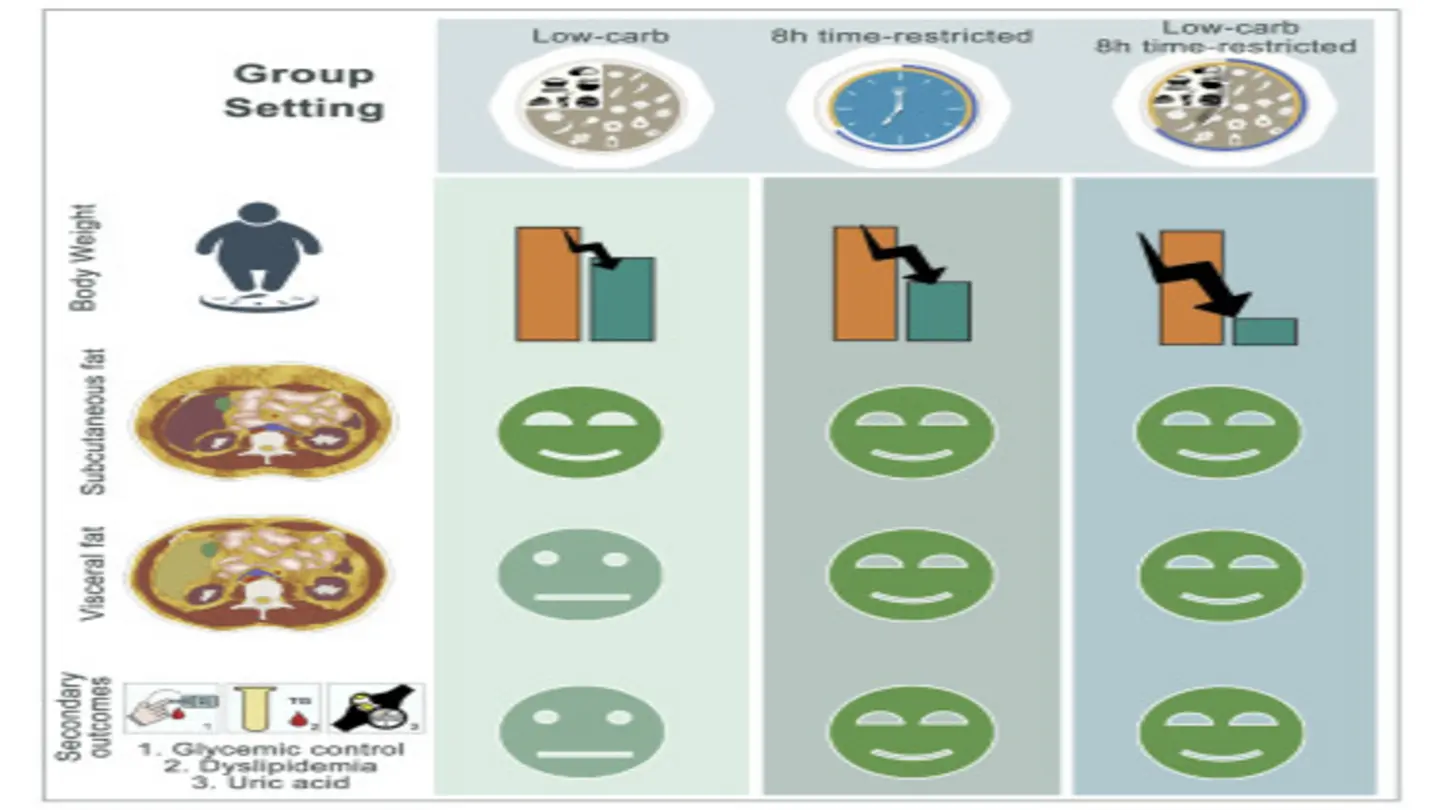
A recently published study suggests a novel dietary approach may be up to five times more effective for weight loss than the popular drug Ozempic. The research, detailed in the journal Diabetes, Obesity and Metabolism, focuses on a time-restricted eating (TRE) plan combined with increased protein intake and emphasizes the importance of meal timing for optimal metabolic response.
The study, conducted by researchers at the University of Alabama at Birmingham, involved participants following a specific TRE schedule – eating all meals within a 10-hour window and fasting for 14 hours each day. Crucially, this was paired with a high-protein diet, aiming for approximately 1.2 to 1.5 grams of protein per kilogram of body weight. Researchers found that this combination led to significantly greater weight loss, improved body composition, and better metabolic health markers compared to traditional calorie restriction.
While Ozempic, a GLP-1 receptor agonist, has gained widespread attention for its ability to promote weight loss by suppressing appetite and regulating blood sugar, the study indicates that lifestyle interventions can be even more impactful. Participants on the TRE and high-protein diet lost an average of 8.8% of their body weight over six months, while those taking Ozempic experienced an average weight loss of 1.7%. The results were adjusted for various factors including age, gender, and baseline body mass index (BMI).
“We were surprised by the magnitude of the difference,” stated Dr. Courtney Peterson, lead author of the study. “It suggests that focusing on *when* you eat, rather than just *what* you eat, can be a powerful tool for weight management.” The researchers hypothesize that TRE helps to synchronize the body’s circadian rhythm with metabolic processes, enhancing fat burning and improving insulin sensitivity.
The high-protein component of the diet is also considered vital. Protein promotes satiety, helping individuals feel fuller for longer and reducing overall calorie intake. It also plays a crucial role in preserving lean muscle mass during weight loss, which is essential for maintaining a healthy metabolism.
Implications and Further Research
These findings have significant implications for individuals struggling with obesity and related metabolic disorders. While Ozempic can be a valuable tool for some, it is often associated with side effects and can be expensive. The TRE and high-protein diet, on the other hand, is a relatively low-cost and accessible intervention.
However, experts caution that this is just one study, and more research is needed to confirm the findings and determine the long-term effects of this dietary approach. Individual responses to TRE and high-protein diets can vary, and it’s important to consult with a healthcare professional or registered dietitian before making significant changes to one’s diet.
The study also highlights the importance of personalized nutrition. While the TRE and high-protein diet proved effective in this particular study, it may not be the optimal approach for everyone. Factors such as individual preferences, lifestyle, and underlying health conditions should be considered when developing a weight loss plan.
Ultimately, the research reinforces the idea that sustainable weight loss is often achieved through a combination of lifestyle modifications, including diet and exercise, rather than relying solely on pharmaceutical interventions. The potential for TRE and increased protein intake to become a cornerstone of effective weight management strategies is a promising development in the fight against obesity.
Image Source: Google | Image Credit: Respective Owner