Princeton University Press has recently published “When Worlds Quake,” a new book by Hrvoje Tkalčić, a seismologist specializing in the study of large earthquakes. The book delves into the history of seismic events, the science underpinning them, and the ongoing quest to predict these devastating natural phenomena.
Tkalčić, a senior research fellow at the University of Melbourne, brings a wealth of expertise to the subject. His research focuses on identifying and characterizing the ‘silent’ earthquakes that occur deep within the Earth, and understanding how these events relate to the more familiar, surface-rupturing quakes. “When Worlds Quake” isn’t solely a technical treatise; it’s a narrative that weaves together historical accounts of earthquakes with cutting-edge scientific discoveries.
The book explores the evolution of our understanding of earthquakes, starting with ancient philosophical interpretations and progressing through the development of seismology as a modern science. Tkalčić details the contributions of pioneering seismologists and the gradual accumulation of knowledge about the Earth’s internal structure and the processes that generate earthquakes. He examines how early attempts at earthquake prediction were largely unsuccessful, and why the challenge remains so formidable today.
The Physics of Earthquakes
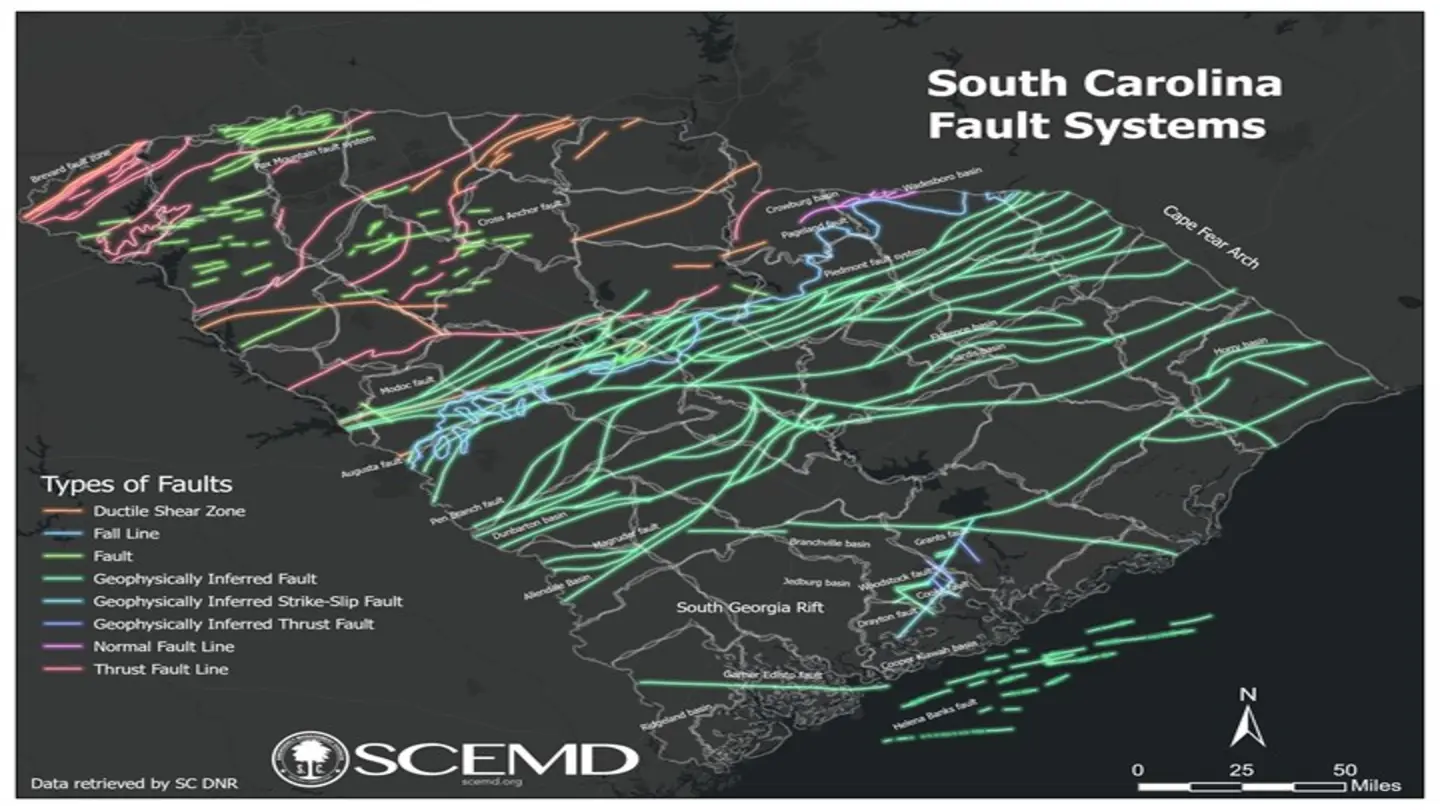
A significant portion of “When Worlds Quake” is dedicated to explaining the complex physics behind earthquakes. Tkalčić breaks down concepts like plate tectonics, fault mechanics, and seismic wave propagation in a way that is accessible to a broad audience. He discusses the different types of faults – strike-slip, normal, and reverse – and how their movements lead to the build-up and release of stress in the Earth’s crust.
The book also addresses the phenomenon of foreshocks and aftershocks, and the difficulties in distinguishing them from the main rupture event. Tkalčić explains how the study of these smaller earthquakes can provide valuable insights into the characteristics of the larger ones that may follow. He highlights the importance of monitoring seismic activity in earthquake-prone regions and developing early warning systems.
Furthermore, “When Worlds Quake” explores the impact of earthquakes on human civilization throughout history. From the ancient city of Pompeii to the modern-day devastation in Haiti and Japan, Tkalčić recounts the stories of communities that have been reshaped by these powerful forces of nature. He discusses the challenges of building earthquake-resistant structures and mitigating the risks associated with seismic hazards.
Tkalčić doesn’t shy away from discussing the limitations of current earthquake prediction methods. He acknowledges that predicting the exact time, location, and magnitude of an earthquake remains an elusive goal. However, he emphasizes that significant progress has been made in assessing seismic risk and developing strategies to reduce the vulnerability of communities to earthquakes. The book offers a nuanced perspective on the ongoing research and the potential for future breakthroughs in this field.
Ultimately, “When Worlds Quake” is a compelling and informative read for anyone interested in the science of earthquakes and their profound impact on our planet and its inhabitants. It’s a testament to the power of scientific inquiry and the enduring human quest to understand the forces that shape our world.
Image Source: Google | Image Credit: Respective Owner