A new diagnostic approach combining a blood biomarker test with brain imaging shows promise in detecting Alzheimer’s disease at an earlier stage, according to a leading diagnostic lab in India. This advancement could significantly improve patient outcomes by enabling timely intervention and access to potential disease-modifying therapies.
Currently, diagnosing Alzheimer’s often relies on cognitive assessments and, in some cases, expensive and invasive procedures like cerebrospinal fluid analysis or amyloid PET scans. These methods can be costly, time-consuming, and not readily available in all healthcare settings. The new test aims to address these limitations by offering a more accessible and less invasive diagnostic tool.
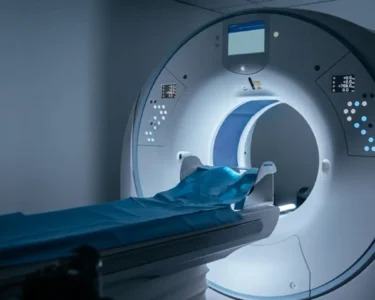
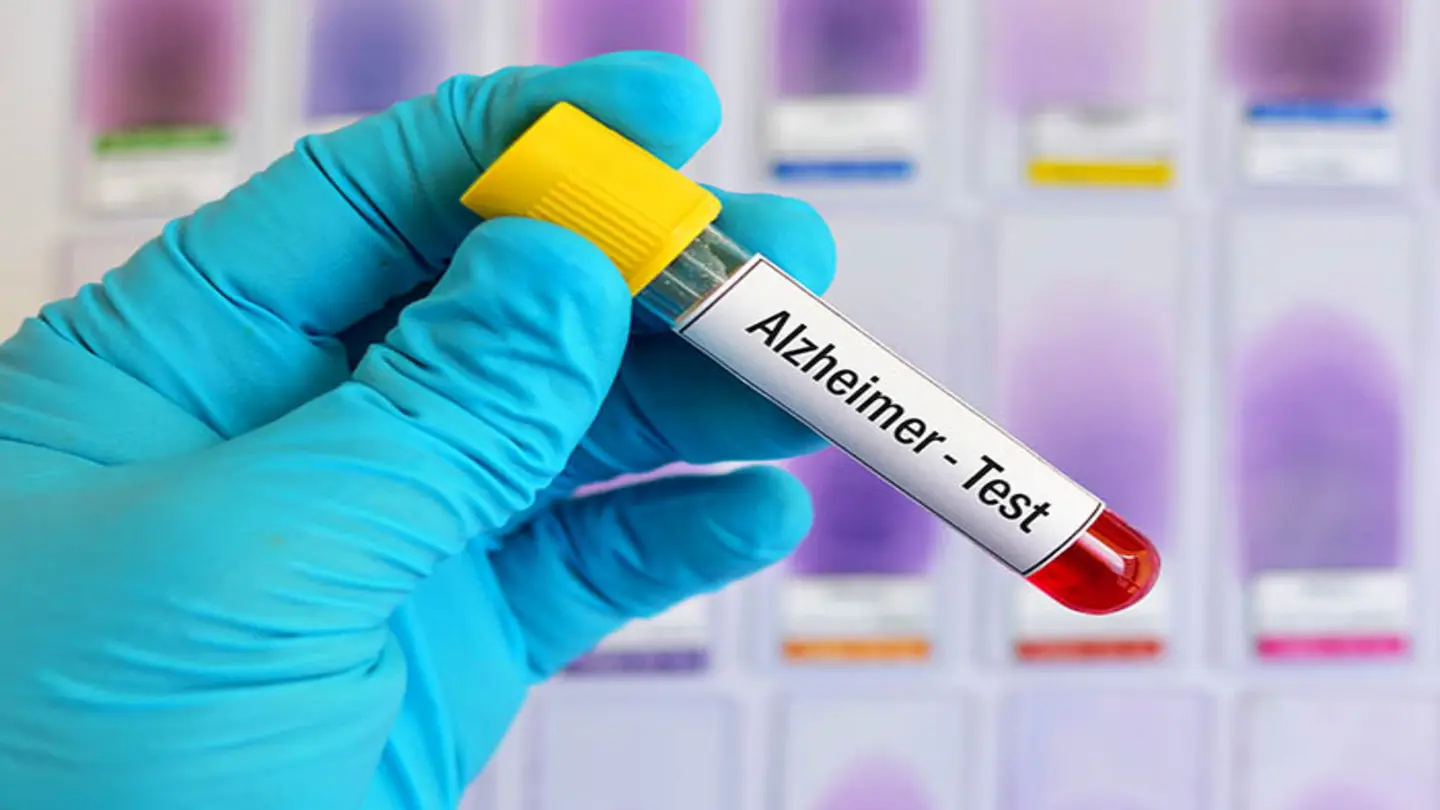
The blood biomarker, specifically measuring levels of phosphorylated tau protein (p-tau217), has demonstrated a high degree of accuracy in identifying the presence of amyloid plaques, a hallmark of Alzheimer’s disease, in the brain. When coupled with brain imaging techniques like MRI or CT scans to assess brain atrophy and rule out other potential causes of cognitive decline, the combined approach provides a more comprehensive and reliable diagnosis.
Researchers and clinicians emphasize that early detection is crucial in the fight against Alzheimer’s. While there is currently no cure for the disease, several therapies are under development that may slow its progression or alleviate symptoms. These treatments are most effective when initiated in the early stages of the disease, before significant irreversible brain damage has occurred.
Benefits of Early Diagnosis
An early and accurate diagnosis allows individuals and their families to plan for the future, make informed decisions about care, and participate in clinical trials. It also provides an opportunity to adopt lifestyle modifications, such as regular exercise, a healthy diet, and cognitive stimulation, which may help to maintain cognitive function for a longer period.
The diagnostic lab highlighted that the new test is particularly valuable in identifying individuals who are at risk of developing Alzheimer’s but have not yet exhibited noticeable symptoms. This proactive approach could enable preventative measures to be taken, potentially delaying the onset of the disease or reducing its severity.
However, experts caution that the test is not foolproof and should be interpreted in conjunction with a thorough clinical evaluation. False positives and false negatives are possible, and further research is needed to refine the test’s accuracy and establish its long-term clinical utility. The availability of the test may also vary depending on geographic location and healthcare infrastructure.
Despite these caveats, the development of this new diagnostic tool represents a significant step forward in the early detection and management of Alzheimer’s disease. It offers hope for improved outcomes for the millions of people worldwide who are affected by this devastating condition and underscores the importance of continued investment in Alzheimer’s research.
The lab is currently working on expanding access to the test and collaborating with healthcare providers to integrate it into routine clinical practice. They anticipate that this combined approach will become an increasingly important part of the diagnostic landscape for Alzheimer’s disease in the years to come.
Image Source: Google | Image Credit: Respective Owner