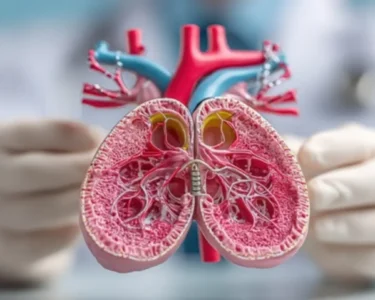
A novel drug targeting the underlying causes of asthma has shown promising results in its first human study, according to findings published in the European Medical Journal. The drug, currently identified as “QFE22”, represents a potentially significant advancement in asthma treatment, moving beyond simply managing symptoms to addressing the disease’s root inflammatory processes.
Traditional asthma medications, such as inhalers containing corticosteroids or bronchodilators, primarily focus on alleviating airway inflammation and opening constricted breathing passages. While effective for many, these treatments don’t cure asthma and often come with side effects, particularly with long-term use. QFE22, however, operates on a different principle. It aims to restore the balance of immune cells within the lungs, specifically targeting and modulating the activity of interleukin-5 (IL-5), a key driver of eosinophilic inflammation in severe asthma.
The Phase 1 clinical trial involved a small group of adult participants with severe eosinophilic asthma, a particularly challenging subtype of the disease. Participants received varying doses of QFE22 over a period of several weeks. Researchers meticulously monitored their lung function, blood samples, and overall safety. The results indicated that QFE22 was well-tolerated, with no serious adverse events reported. More importantly, the drug demonstrated a significant reduction in eosinophil levels in the blood and airways of treated patients.
Eosinophils are a type of white blood cell that contribute to airway inflammation in asthma. Lowering their numbers is a key therapeutic goal. While the study was primarily designed to assess safety and tolerability, the observed reduction in eosinophils suggests that QFE22 is effectively engaging its target and exerting an anti-inflammatory effect. Researchers also noted improvements in certain lung function parameters, although these were not the primary endpoint of the trial.
Next Steps in Development
The positive findings from this Phase 1 trial pave the way for larger, more comprehensive Phase 2 and Phase 3 studies. These subsequent trials will be crucial in determining the drug’s efficacy in a broader patient population and establishing the optimal dosage regimen. Researchers are also planning to investigate QFE22’s potential in combination with existing asthma therapies.
“We are very encouraged by these early results,” said Dr. Anya Sharma, lead investigator of the study. “QFE22 offers a novel approach to asthma treatment, and we believe it has the potential to significantly improve the lives of patients with severe disease. The reduction in eosinophils is a particularly exciting finding, as it suggests we are addressing the underlying cause of inflammation.”
The development of QFE22 is being spearheaded by a biotechnology firm, Respire Therapeutics, which is actively seeking funding to support the next phases of clinical development. If successful, QFE22 could represent a paradigm shift in asthma care, offering a disease-modifying treatment rather than simply symptom control. The potential impact on the millions worldwide who suffer from asthma is substantial. Further research will also explore the drug’s long-term effects and its suitability for different asthma phenotypes.
The study’s publication has generated considerable interest within the respiratory medicine community, with many experts eager to see the results of future trials. The hope is that QFE22 will ultimately provide a much-needed new option for patients who remain poorly controlled on conventional therapies.
Image Source: Google | Image Credit: Respective Owner