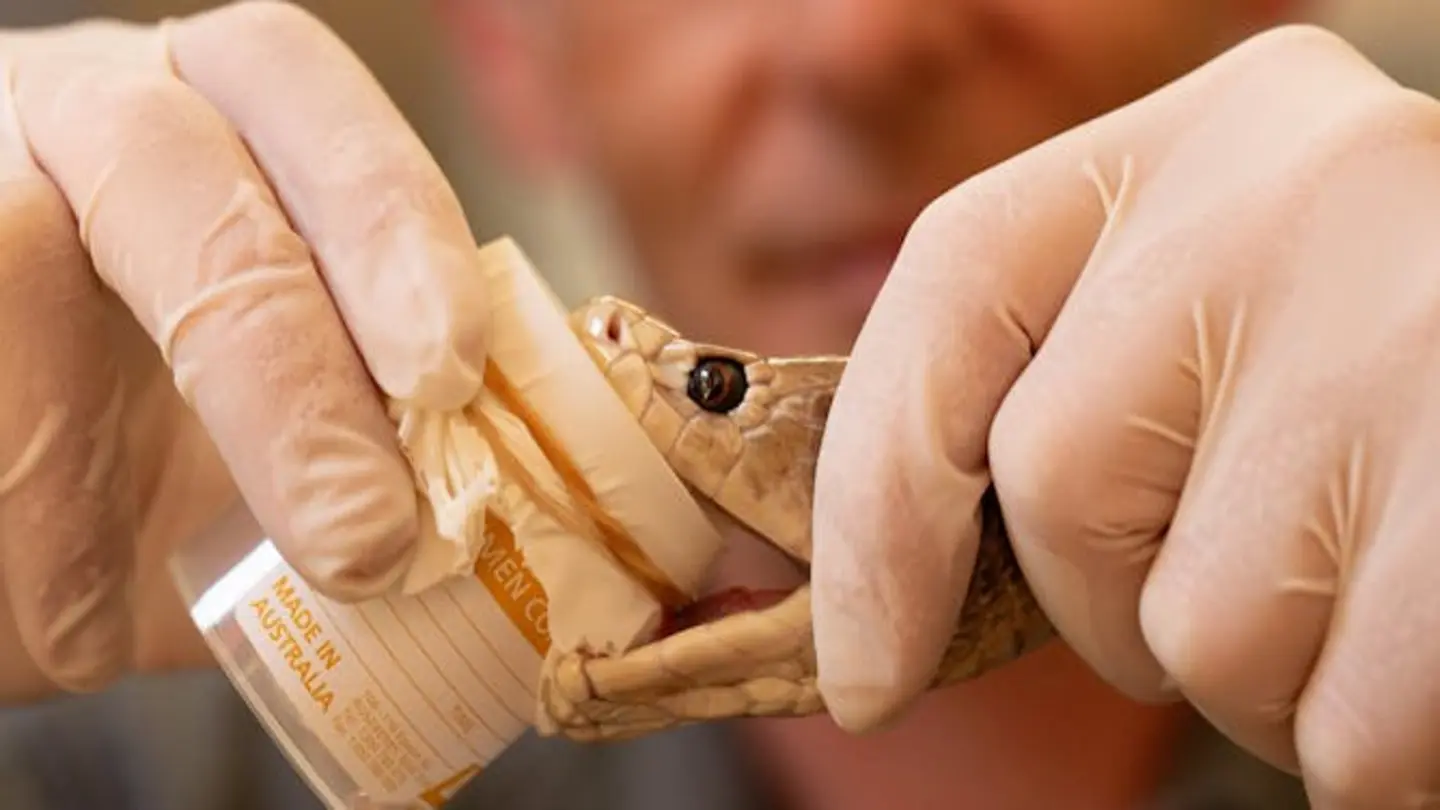
A groundbreaking new antivenom promises to be a game-changer in the treatment of snakebites, offering protection against the venom of 17 of the world’s most dangerous snake species. Developed by a team of researchers and herpetologists, this innovative antivenom represents a significant advancement over existing treatments, which are often specific to only a few snake species and can be ineffective against others.
The Challenge of Traditional Antivenoms
Traditional antivenoms are produced by injecting venom from a particular snake species into an animal, such as a horse or sheep. The animal’s immune system then produces antibodies against the venom, which are harvested and purified to create the antivenom. However, this process is time-consuming, expensive, and requires a large number of animals. Furthermore, traditional antivenoms are often specific to the venom of a particular snake species or a closely related group of species. This means that doctors must identify the snake that bit a patient before administering the correct antivenom, which can be difficult or impossible in many cases. This new antivenom sidesteps these limitations.
How the New Antivenom Works
The new antivenom utilizes a different approach. Instead of using antibodies derived from animals, it employs a combination of synthetic antibodies and small-molecule inhibitors that target key components of snake venom. Researchers identified toxins common to the venom of multiple dangerous snake species, allowing them to design molecules that can neutralize a broad range of snake venoms. These molecules are manufactured in a lab, eliminating the need for animals and making the production process more efficient and scalable.
Broad Spectrum Protection
The new antivenom has been tested in vitro and in vivo against the venom of 17 snake species, including cobras, vipers, and kraits. The results have been highly promising, with the antivenom demonstrating significant efficacy in neutralizing the venom and preventing death in animal models. The broad spectrum of protection offered by the new antivenom could save countless lives, especially in regions where snakebites are common and access to traditional antivenoms is limited. Clinical trials are currently underway to evaluate the safety and efficacy of the antivenom in humans. If the trials are successful, the new antivenom could be available for widespread use within a few years. The development of this new antivenom is a testament to the power of scientific innovation and its potential to address global health challenges.
Potential Impact
Snakebites are a significant public health problem in many parts of the world, particularly in rural areas of Africa, Asia, and Latin America. An estimated 5.4 million snakebites occur each year, resulting in as many as 138,000 deaths. The new antivenom has the potential to dramatically reduce the number of deaths and disabilities caused by snakebites, especially in areas where access to existing antivenoms is limited or non-existent.
Image Source: Google | Image Credit: Respective Owner