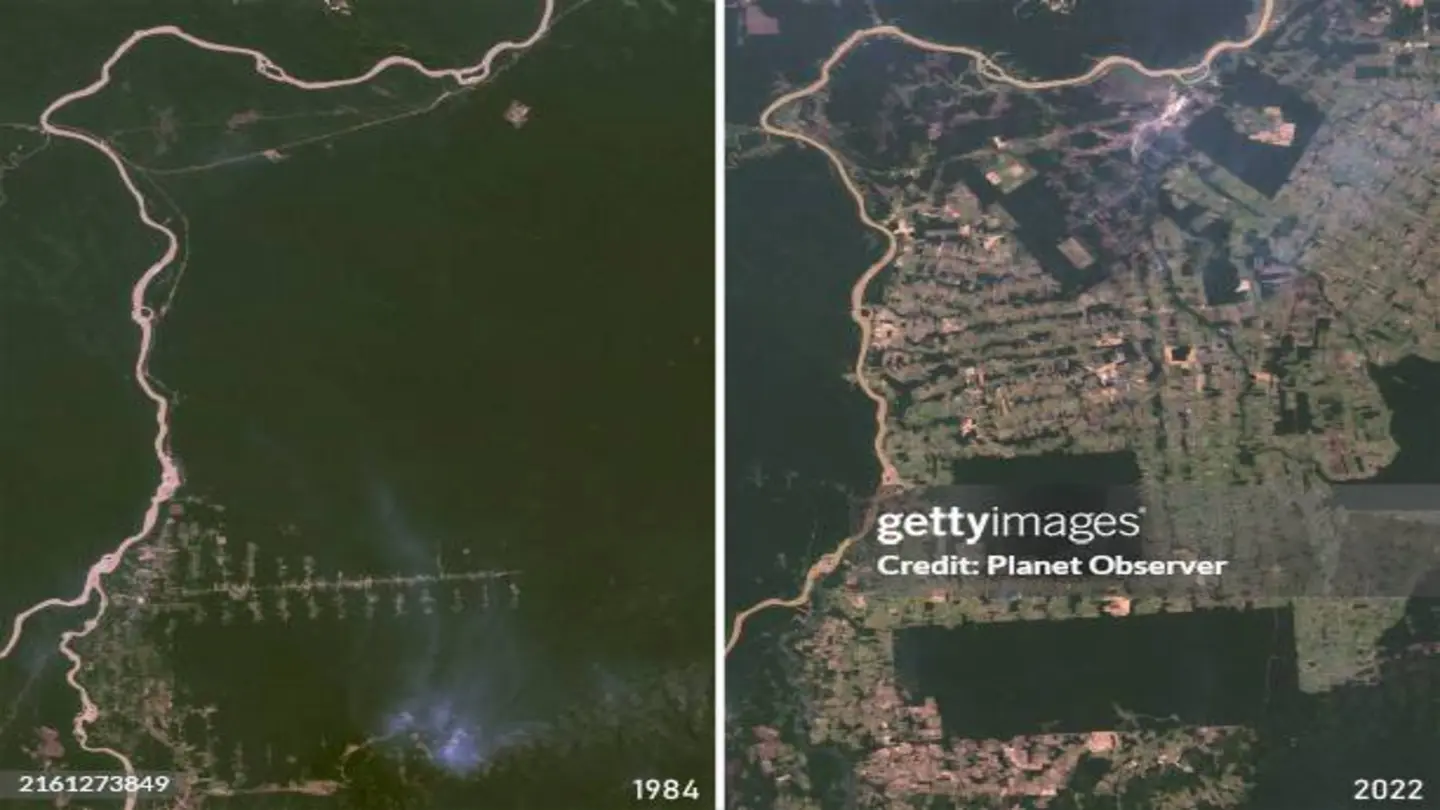
A groundbreaking new artificial intelligence model, developed by the Prithvi E.O. Foundation, is enabling the attribution of deforestation events to specific actors, marking a significant leap forward in environmental monitoring and accountability. The model, detailed in a recent publication within the ESS Open Archive, utilizes a combination of satellite imagery, geospatial data, and machine learning algorithms to identify and link deforestation activities to the entities responsible.
Traditionally, pinpointing the cause of deforestation has been a complex and often politically sensitive undertaking. While satellite data can reveal the extent and location of forest loss, establishing who ordered or carried out the clearing has proven challenging. This new AI aims to bridge that gap by analyzing patterns of activity, correlating them with known land ownership records, and identifying logistical connections – such as road construction or the movement of machinery – that point to specific companies, individuals, or groups.
How the Model Works
The Prithvi E.O. Foundation model doesn’t simply flag deforestation; it builds a case. It analyzes high-resolution satellite imagery to detect changes in forest cover, then cross-references this data with a vast database of land tenure information, supply chain data, and publicly available records. The AI is trained to recognize the signatures of different deforestation methods – from small-scale clearing for agriculture to large-scale logging operations – and to associate these signatures with specific actors based on their known activities and infrastructure.
A key component of the model is its ability to handle the inherent complexities of deforestation. Often, multiple actors are involved in a single event, including landowners, contractors, and buyers of deforested land or timber. The AI attempts to disentangle these relationships and assign responsibility accordingly. Furthermore, the model incorporates a degree of uncertainty, providing a confidence score for each attribution to reflect the limitations of the data and the complexity of the analysis.
The implications of this technology are far-reaching. It could be used by governments to enforce environmental regulations more effectively, by NGOs to expose illegal deforestation practices, and by companies to ensure that their supply chains are not contributing to forest loss. The model also offers potential for proactive monitoring, identifying areas at high risk of deforestation and alerting authorities before damage occurs.
Researchers emphasize that the model is not intended to be a definitive legal tool, but rather a powerful investigative aid. Attributions generated by the AI would still need to be verified through traditional investigative methods before being used in legal proceedings. However, it significantly reduces the time and resources required to identify potential perpetrators, making it easier to hold them accountable.
The Prithvi E.O. Foundation is making the model and its underlying data publicly available, encouraging further research and development in this critical area. They hope that this open-source approach will foster collaboration and accelerate the fight against deforestation globally. Future iterations of the model will likely incorporate additional data sources, such as social media and financial transactions, to further refine its attribution capabilities and address the evolving tactics of those involved in illegal forest clearing.
This development represents a crucial step towards a more transparent and accountable system for protecting the world’s forests, vital ecosystems for biodiversity, climate regulation, and the livelihoods of millions of people.
Image Source: Google | Image Credit: Respective Owner