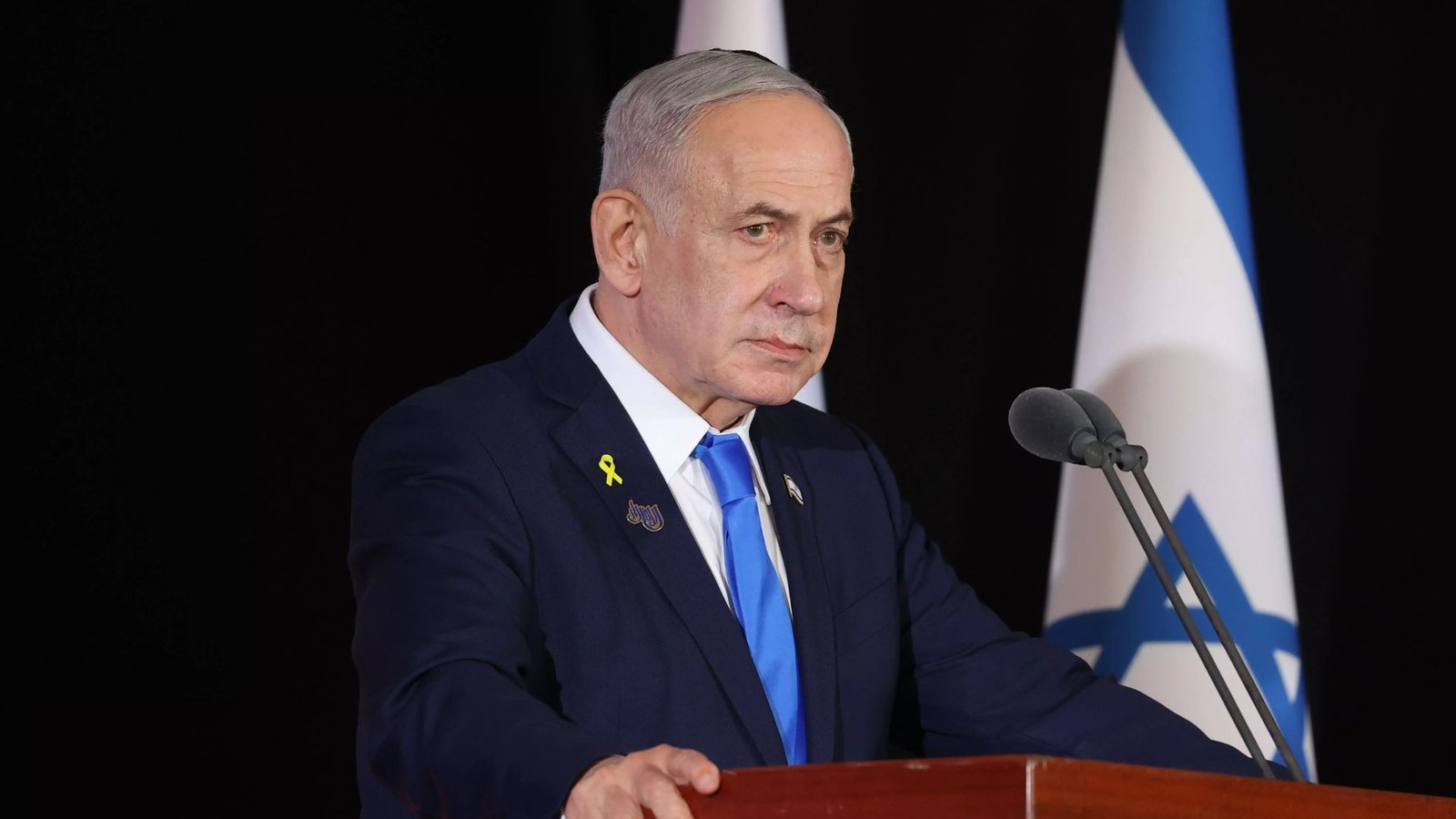
Israeli Prime Minister Benjamin Netanyahu has stated that Israel dropped 153 tonnes of bombs on Gaza on October 19. This information, originally reported by The Hindu, highlights the intensity of the ongoing conflict between Israel and Hamas. The details surrounding this specific bombing campaign, including the targets and potential impact, are subjects of intense scrutiny and debate within the international community.
The escalation of violence in the region has prompted widespread concerns regarding humanitarian efforts and the safety of civilians caught in the crossfire. International organizations and various governments are urging both sides to exercise restraint and prioritize the protection of innocent lives. The scale of the bombardment, as indicated by Netanyahu’s statement, underscores the urgent need for de-escalation and a resumption of diplomatic efforts to achieve a lasting resolution.
Details of the Bombing
According to the report, the 153 tonnes of bombs were dropped within a single day, representing a significant level of military activity. The specific locations targeted and the types of ordnance used remain crucial details in assessing the proportionality and potential violations of international law. Human rights organizations are actively investigating these aspects to ensure accountability and adherence to humanitarian principles.
The Prime Minister’s announcement comes amidst mounting pressure on Israel to address the growing humanitarian crisis in Gaza. The limited access to essential supplies such as food, water, and medical aid is exacerbating the already dire situation for the civilian population. Calls for a ceasefire and the establishment of humanitarian corridors have intensified as the conflict continues.
International Response
The international community is divided in its response to the conflict, with some nations expressing strong support for Israel’s right to defend itself against Hamas, while others emphasize the need for restraint and a focus on protecting Palestinian civilians. Diplomatic efforts are underway to find a pathway towards de-escalation and a resumption of peace talks. The United Nations and various regional actors are playing key roles in mediating between the two sides.
The situation in Gaza remains highly volatile, and the risk of further escalation is a constant concern. The long-term impact of the conflict on the region’s stability and the prospects for a lasting peace settlement are significant. The focus now is on finding a way to alleviate the immediate humanitarian crisis and create conditions for a sustainable resolution that addresses the underlying causes of the conflict.
The announcement by Netanyahu regarding the tonnage of bombs dropped adds a stark dimension to understanding the scale and intensity of the conflict, emphasizing the importance of ongoing monitoring and accountability to ensure the protection of civilians and adherence to international law. Further investigations into the specifics of these bombings will be essential in shaping the international community’s response and informing future efforts to promote peace and stability in the region.
Image Source: Google | Image Credit: Respective Owner