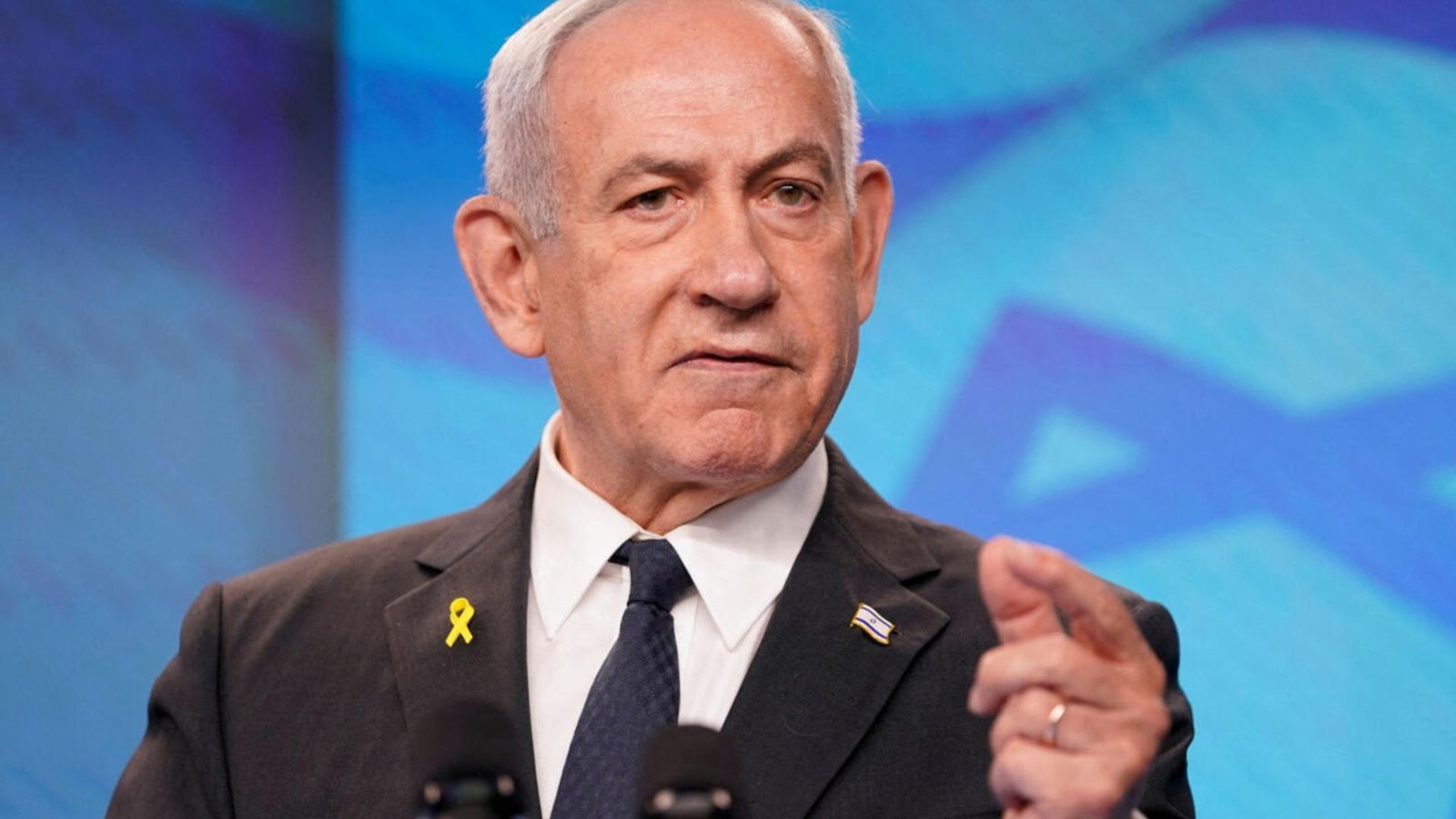
Israeli Prime Minister Benjamin Netanyahu has outlined what he calls “Phase 2” of the Gaza war, stating that the conflict will only conclude once Hamas is disarmed. Netanyahu issued a stark warning, indicating that this disarmament could occur either through voluntary action by Hamas or through intensified military operations by Israel. This statement comes amidst ongoing international pressure for a ceasefire and concerns over the humanitarian situation in Gaza.
Disarmament as a Condition for Ending the War
Netanyahu’s remarks underscore Israel’s firm stance that complete disarmament of Hamas is a non-negotiable condition for a permanent cessation of hostilities. He emphasized that Israel will not accept a scenario where Hamas retains its military capabilities, posing a future threat to Israeli security. The prime minister’s comments suggest a prolonged engagement in Gaza until this objective is achieved, raising questions about the long-term stability and reconstruction of the region.
The Israeli leader’s declaration adds a layer of complexity to ongoing ceasefire negotiations, which have so far failed to produce a lasting agreement. International mediators have been working tirelessly to bridge the gap between Israel and Hamas, but disagreements over the terms of a ceasefire, including the release of hostages and the withdrawal of Israeli forces, remain significant obstacles. Netanyahu’s insistence on Hamas’s disarmament further complicates these efforts.
Potential for Intensified Military Action
Netanyahu’s warning that disarmament could happen “the hard way” implies a willingness to escalate military operations if Hamas does not voluntarily surrender its weapons. This prospect raises concerns about increased civilian casualties and further devastation in Gaza, which has already suffered extensive damage from months of intense fighting. The potential for a wider regional conflict also looms large, as other actors in the region could be drawn into the fray.
The international community has expressed growing concern over the humanitarian crisis in Gaza, with calls for increased aid and a cessation of hostilities to allow for the delivery of essential supplies to the civilian population. The United Nations and other humanitarian organizations have warned of widespread hunger and disease, highlighting the urgent need for a sustainable solution to the conflict. The path forward remains uncertain, with the potential for further escalation and a deepening humanitarian crisis.
As the conflict continues, the focus remains on diplomatic efforts to achieve a lasting ceasefire and address the underlying issues that have fueled the conflict. The challenge lies in finding a solution that addresses Israel’s security concerns while also meeting the humanitarian needs of the Palestinian people in Gaza and ensuring a sustainable future for the region.
Image Source: Google | Image Credit: Respective Owner