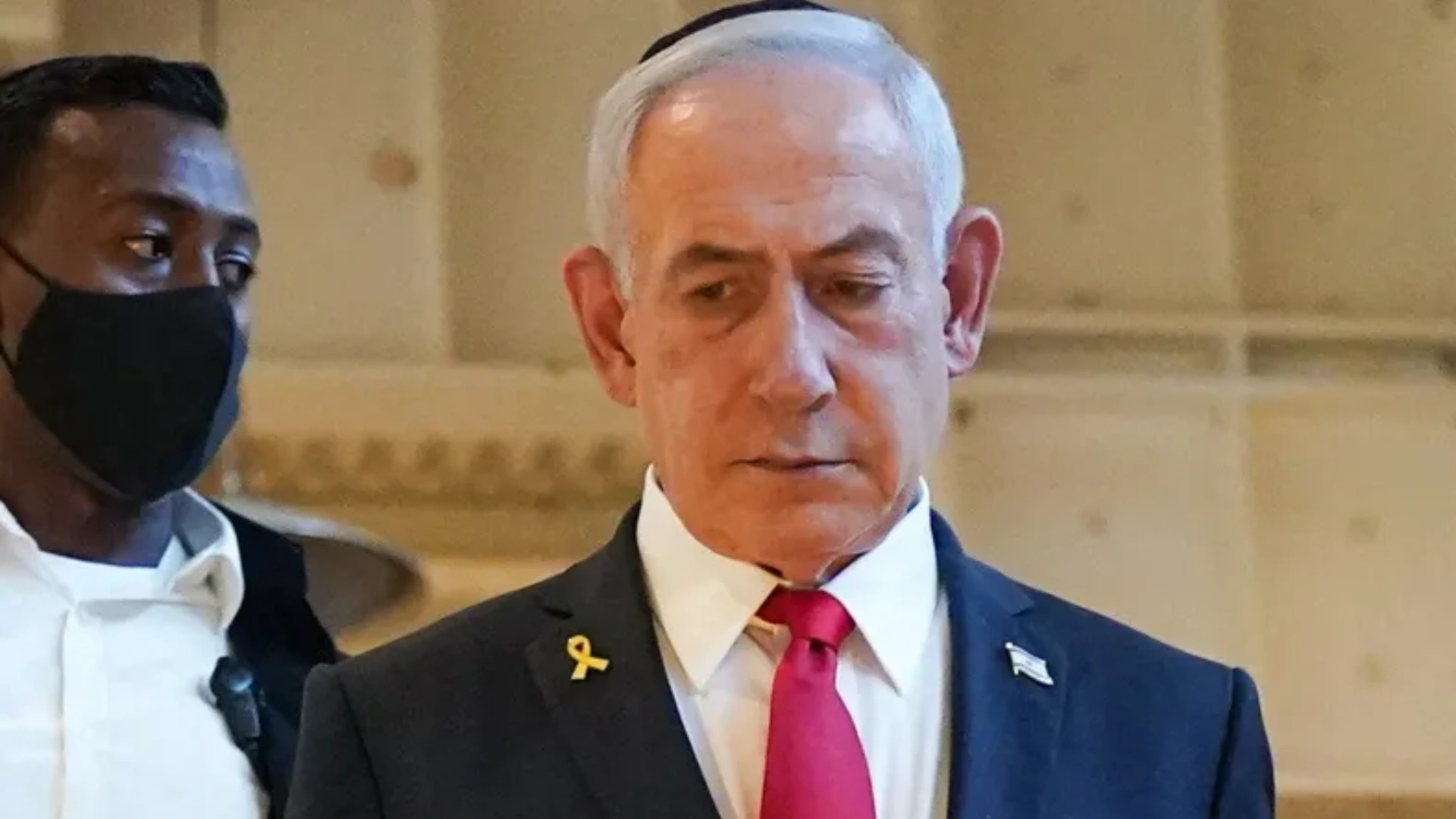
Israeli Prime Minister Benjamin Netanyahu has asserted that Israel takes “full responsibility” for an attack targeting Hamas leaders in Qatar, according to a report by Hindustan Times. This admission marks a significant development in the ongoing conflict and underscores the complexities of the geopolitical landscape in the region. The reported attack, the details of which remain somewhat unclear, has the potential to further escalate tensions between Israel and Hamas, and could also strain relations with Qatar, which hosts several Hamas leaders.
The acknowledgment of responsibility comes amid heightened scrutiny of Israel’s military actions and a growing international call for de-escalation and a peaceful resolution to the conflict. Qatar has played a significant role in mediating between Israel and Hamas in the past, and this incident could complicate future efforts to broker a ceasefire or negotiate the release of hostages. The exact nature of the “attack” referenced in Netanyahu’s statement is not fully elucidated in the provided title, leaving open the possibility that it could refer to a targeted assassination, a cyberattack, or another form of covert operation.
International Implications
The implications of Israel claiming responsibility for such an operation within Qatari territory are substantial. Qatar, while maintaining diplomatic ties with several Western nations, has also provided political and financial support to Hamas, a group considered a terrorist organization by Israel, the United States, and the European Union. This delicate balance has allowed Qatar to serve as a crucial intermediary in regional conflicts. However, an Israeli attack on Hamas leaders within Qatar’s borders could be perceived as a violation of its sovereignty and could prompt a reassessment of its relationship with both Israel and Hamas.
Furthermore, the timing of this admission is critical. It coincides with ongoing negotiations for a potential ceasefire and the release of hostages held by Hamas in Gaza. The attack and subsequent claim of responsibility could jeopardize these negotiations and harden the positions of both sides. International pressure on Israel to exercise restraint and adhere to international law is likely to intensify in the wake of this development.
Domestic Considerations
Domestically, Netanyahu’s decision to claim responsibility could be interpreted as an attempt to project strength and resolve in the face of mounting criticism of his government’s handling of the conflict. It could also be aimed at appeasing hard-line factions within his coalition government who advocate for a more aggressive approach towards Hamas. However, the move also carries significant risks, as it could further isolate Israel on the international stage and complicate its relations with key allies.
The full ramifications of this incident will likely unfold in the coming days and weeks. Diplomatic efforts to de-escalate the situation and resume negotiations will be crucial. The international community will be closely monitoring developments and urging all parties to exercise restraint and prioritize the protection of civilians.
In conclusion, Prime Minister Netanyahu’s acknowledgment of Israel’s “full responsibility” for an attack on Hamas leaders in Qatar represents a high-stakes gamble with potentially far-reaching consequences for regional stability and international relations. The specifics of the attack, the motivations behind the timing of the announcement, and the subsequent fallout remain to be seen, but it is clear that this event will have a significant impact on the trajectory of the Israeli-Palestinian conflict.
Image Source: Google | Image Credit: Respective Owner