Recent developments in Nepal and Pakistan are signaling a period of significant change and instability in India’s immediate neighborhood. Nepal, witnessing a surge in political activism driven by its Gen-Z population, is grappling with a new wave of demands for systemic reform, while Pakistan faces a complex situation following the civilian government’s perceived concessions to the military establishment.
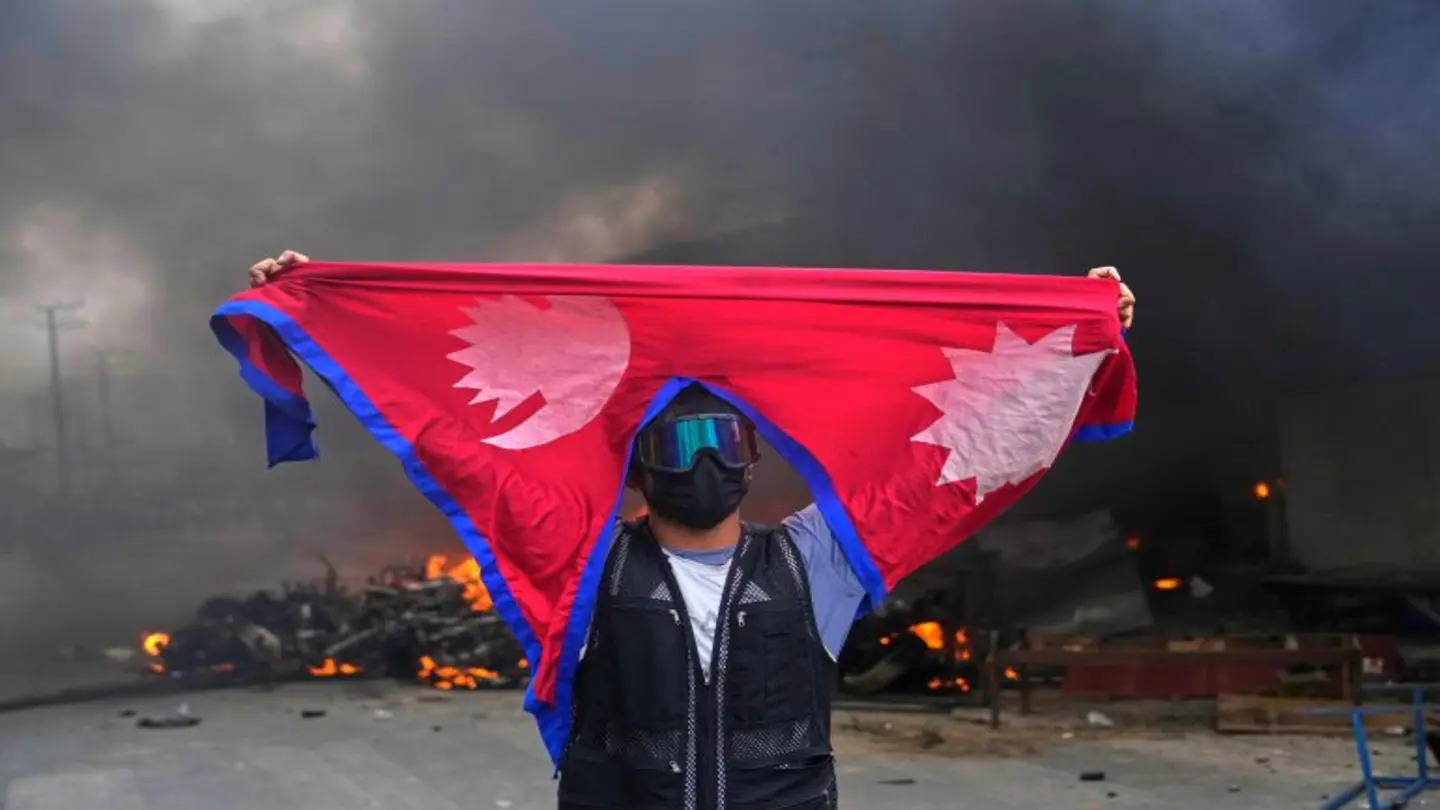
In Nepal, the younger generation is demonstrating a level of political engagement unseen before. Frustration with traditional political parties, perceived corruption, and a lack of economic opportunity are fueling protests and a demand for a more accountable and responsive government. This demographic shift presents a challenge to established political norms and could lead to a restructuring of Nepal’s political landscape. The recent local elections saw a strong showing from independent candidates, many backed by Gen-Z voters, further illustrating this trend. This isn’t simply a rejection of the status quo; it’s an active attempt to redefine Nepal’s future.
Meanwhile, in Pakistan, the relationship between the civilian government and the powerful military has come under renewed scrutiny. Critics allege that recent actions by the government, including the handling of cases involving former Prime Minister Imran Khan and his supporters, demonstrate a surrender of civilian authority to the military. This perceived imbalance of power raises concerns about the future of democracy in Pakistan and the potential for increased instability. The situation is further complicated by the country’s ongoing economic crisis and the rising threat of terrorism.
Implications for India
These developments have significant implications for India. A volatile Nepal could lead to increased cross-border issues, including illegal immigration and the potential for political spillover. India shares a long and porous border with Nepal, and any major unrest in the Himalayan nation is likely to have repercussions for India’s security and economic interests. Similarly, a weakened civilian government in Pakistan, coupled with a resurgent military, could exacerbate tensions between the two countries and hinder efforts to promote regional peace and stability.
India has traditionally maintained close ties with both Nepal and Pakistan, but navigating the current situation requires a delicate approach. In Nepal, India needs to support the country’s democratic institutions and promote economic development while respecting its sovereignty. In Pakistan, India must carefully assess the evolving power dynamics and engage with all stakeholders to prevent further deterioration of relations. The challenge lies in balancing India’s strategic interests with the need to foster stability and democracy in its neighborhood.
The confluence of these events underscores a broader trend of flux in South Asia. The region is facing a multitude of challenges, including climate change, economic inequality, and political polarization. Addressing these challenges requires a concerted effort from all countries in the region, as well as the support of the international community. The coming months will be crucial in determining the trajectory of Nepal and Pakistan, and their impact on the wider South Asian region. India’s role in shaping a positive outcome will be paramount.
Ultimately, the situation demands careful observation and strategic engagement from India to safeguard its interests and contribute to a more stable and prosperous South Asia. The changing dynamics in both nations present both risks and opportunities, requiring a nuanced and proactive approach.
Image Source: Google | Image Credit: Respective Owner