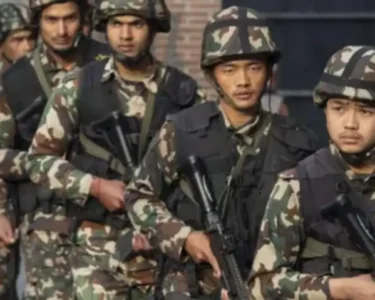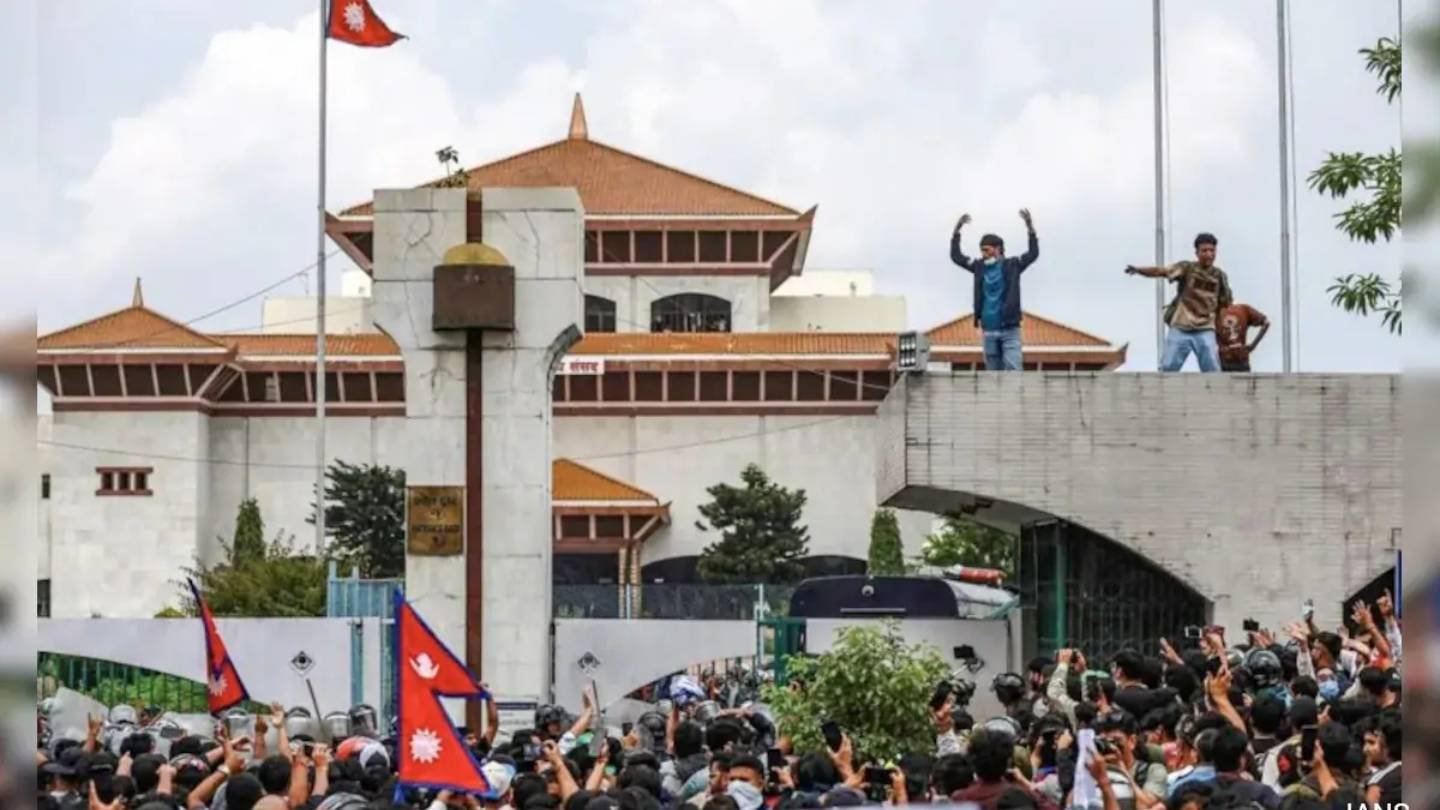
Kathmandu is currently witnessing a surge of youth-led protests, primarily driven by Gen Z, against the perceived dominance of ‘nepo kids’ in various sectors of Nepali society. The protests, gaining traction both online and offline, highlight growing concerns about meritocracy and equal opportunity. Demonstrators argue that individuals with familial connections to established figures in politics, business, and entertainment often receive preferential treatment, hindering the progress of those without such advantages.
Roots of the Movement
The movement’s origins can be traced back to online platforms where young Nepalis began voicing their frustrations regarding the lack of transparency and fairness in recruitment processes. Social media campaigns using hashtags like #RageAgainstNepotism and #MeritMatters have amplified the voices of those who feel marginalized by the existing system. These online discussions have effectively translated into organized street protests, attracting participation from students, young professionals, and activists.
Protesters assert that nepotism stifles innovation and prevents talented individuals from contributing to Nepal’s development. They call for systemic reforms to ensure that opportunities are based on competence and qualifications, rather than familial ties. The protests have adopted various forms, including peaceful marches, sit-ins, and creative performances aimed at raising public awareness.
The movement has resonated with a significant portion of the Nepali population, particularly young people who see their future prospects limited by the prevalence of nepotism. While the protests are largely peaceful, they reflect a deep-seated frustration and a desire for greater social and economic justice. Organizers are demanding concrete actions from the government and relevant institutions to address the issue and promote a level playing field for all citizens.
Political and Social Impact
The protests have already sparked considerable debate within Nepali society, prompting discussions about the role of meritocracy and the need for greater accountability. Several political parties have issued statements acknowledging the concerns raised by the protesters and promising to address the issue of nepotism within their own ranks. However, critics argue that these promises are often superficial and lack concrete plans for implementation.
The long-term impact of the protests remains to be seen, but they have undoubtedly injected a new dynamism into Nepal’s social and political landscape. The Gen Z-led movement represents a growing force for change, challenging traditional power structures and advocating for a more equitable and inclusive society. As the protests continue to evolve, they are likely to shape the future direction of Nepal’s development and governance.
The government’s response to the demands of the protesters will be crucial in determining the movement’s success. Meaningful reforms that promote transparency, accountability, and equal opportunity are essential to address the underlying issues that have fueled the protests. Failure to do so could lead to further unrest and instability, hindering Nepal’s progress towards a more prosperous and just society.
Image Source: Google | Image Credit: Respective Owner