Nepal’s political leaders have intensified their appeals to citizens, urging them to participate actively in what they describe as a ‘historic’ election. The election, which is being hailed as a pivotal moment in the nation’s democratic journey, has drawn attention from both domestic and international observers.
The leaders, representing a spectrum of political parties, have emphasized the importance of voter turnout in ensuring the legitimacy and success of the electoral process. They have called on citizens to exercise their democratic rights responsibly, highlighting the election’s potential to shape Nepal’s future governance and policy direction.
Campaigning has been marked by rallies, public speeches, and media outreach, with leaders underscoring the significance of this election in consolidating Nepal’s democratic institutions. The election is seen as a test of the country’s political stability and its ability to conduct free and fair polls.
Key issues dominating the electoral discourse include economic development, social justice, federalism, and the implementation of the new constitution. Political parties have presented their manifestos, promising reforms and improvements in various sectors, from infrastructure to education and healthcare.
International observers have been invited to monitor the election, reflecting the government’s commitment to transparency and credibility. The presence of these observers is expected to bolster public confidence in the electoral process.
Voter education campaigns have also been launched to inform citizens about the voting process, the importance of their participation, and the impact of their choices on national policies. These initiatives aim to address any apprehensions and encourage a high turnout.
The election is particularly significant as it follows the adoption of Nepal’s new federal constitution, which restructured the country into seven provinces. This transition has been a complex process, and the election is seen as a crucial step in institutionalizing the new political framework.
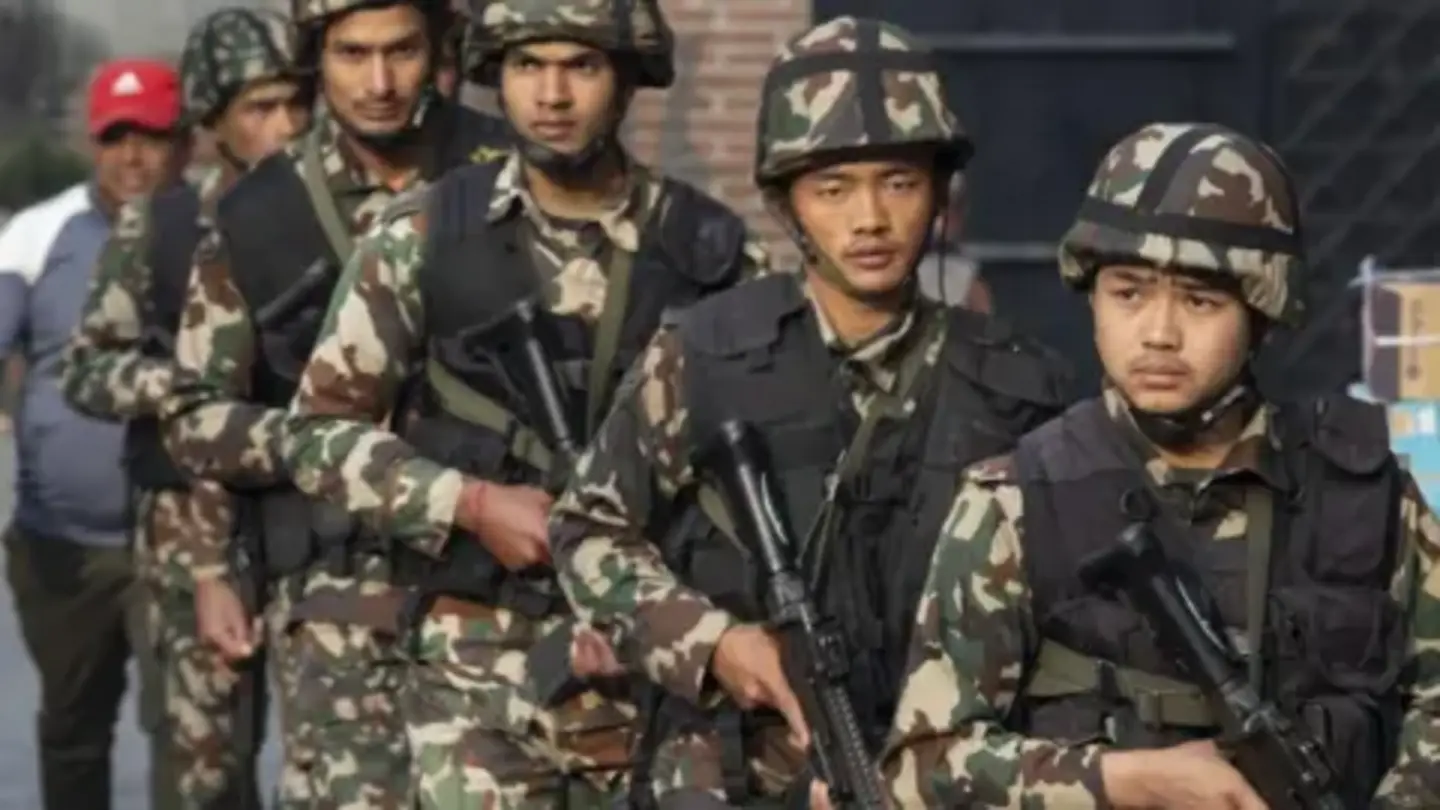
Security arrangements have been heightened across the country to ensure peaceful voting. Authorities have deployed additional forces to sensitive areas to prevent any disruptions and to safeguard the electoral process.
Political analysts suggest that the outcome of this election could influence Nepal’s foreign relations, especially with neighboring countries like India and China. The elected government will likely have to navigate a delicate balance in its diplomatic engagements.
As the election date approaches, the atmosphere in Nepal is charged with anticipation and hope. Citizens are eager to see how their votes will shape the nation’s trajectory in the coming years. The leaders’ call to action resonates with many, who view this election as a historic opportunity to reaffirm their commitment to democracy and progress.
Image Source: Google | Image Credit: Respective Owner