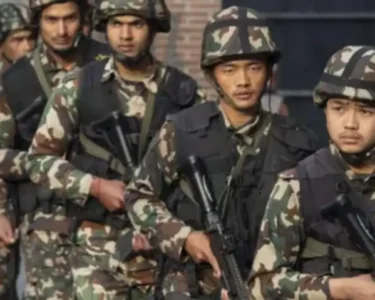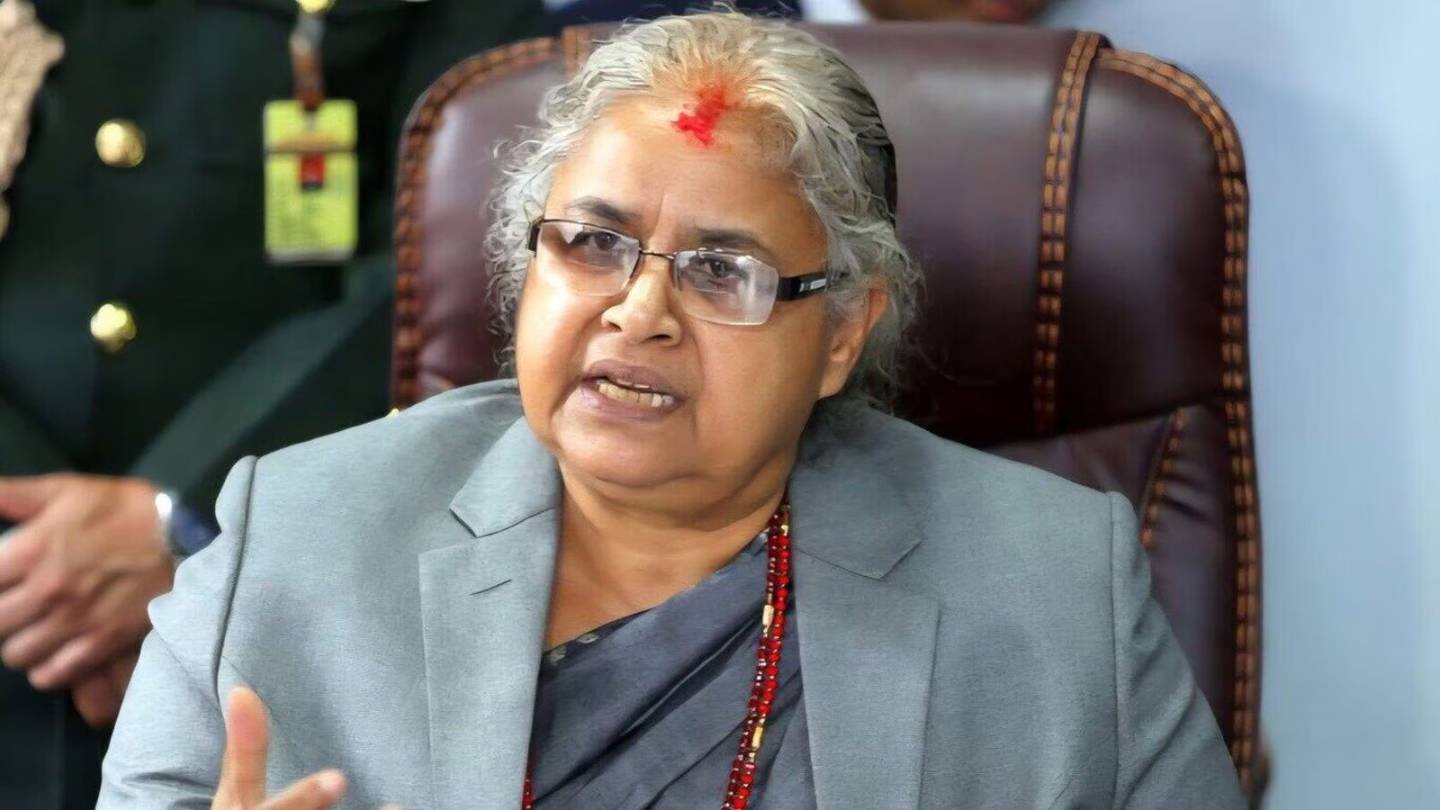
Nepal’s Gen-Z protesters are advocating for Sushila Karki, the former chief justice, to be appointed as the interim prime minister. This demand highlights a growing dissatisfaction with the current political landscape and a desire for leadership perceived as more aligned with their values and aspirations. Karki’s tenure as chief justice was marked by her strong stance against corruption and her commitment to upholding the rule of law, qualities that resonate strongly with the younger generation.
Who is Sushila Karki?
Sushila Karki served as the first female Chief Justice of Nepal, retiring in 2017. During her time in office, she became known for her independent judgments and her efforts to combat corruption within the government and judiciary. Her decisions often challenged the status quo, earning her both admiration and criticism from various political factions. Karki’s reputation as a fearless and principled leader has made her a symbol of integrity in a country often plagued by political instability and corruption scandals.
The Gen-Z protesters believe that Karki’s experience and unwavering commitment to justice make her an ideal candidate to lead an interim government. They argue that her appointment would signal a clear break from the past and usher in an era of transparency and accountability. The protesters, largely composed of young Nepalis who have grown up in a rapidly changing world, are increasingly vocal about their demands for political and economic reforms. They see Karki as someone who can represent their interests and address their concerns.
The movement reflects broader trends of youth activism and political engagement seen across the globe. Young people are using social media and other platforms to organize and amplify their voices, challenging traditional power structures and demanding greater representation in decision-making processes. In Nepal, this activism is fueled by issues such as unemployment, inequality, and a lack of opportunities for young people to participate in the country’s political and economic development.
The call for Karki to be the interim prime minister is a bold move that underscores the depth of the frustration felt by Nepal’s Gen-Z population. It remains to be seen whether their demands will be met, but their activism is undoubtedly shaping the political discourse and putting pressure on the existing political establishment to address the concerns of the younger generation. The situation is also a reflection of the fragile political environment in Nepal, which has seen numerous changes in government in recent years.
The former chief justice has not yet publicly responded to the calls for her to take on this role. Her decision could significantly impact the future political trajectory of Nepal, potentially paving the way for much-needed reforms and a more inclusive government. It is a critical moment for Nepal as the country grapples with its political future and the aspirations of its young people.
Image Source: Google | Image Credit: Respective Owner