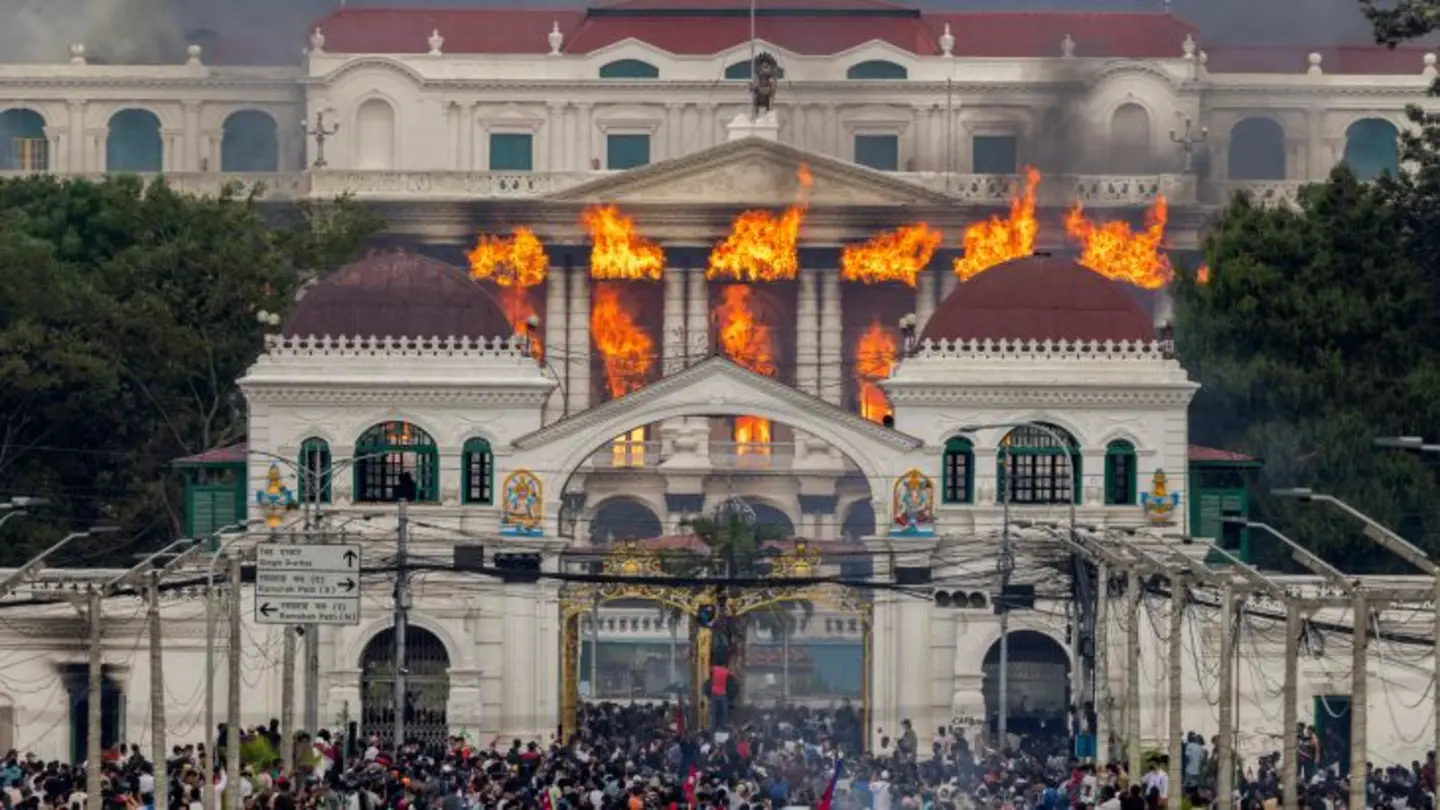
Kathmandu – Former Prime Minister of Nepal, KP Sharma Oli, is now subject to travel restrictions as a committee has imposed a ban preventing him from leaving the country. This decision follows escalating protests and political turmoil within Nepal, raising questions about accountability and potential investigations into past governance. The move has triggered widespread debate regarding its implications for Nepal’s political landscape.
Background of the Restrictions
The travel restrictions placed on Oli come amidst growing scrutiny of his tenure as prime minister. Accusations of corruption, abuse of power, and mismanagement during his time in office have fueled public discontent and demands for accountability. The committee’s decision to impose the travel ban reflects the seriousness of these allegations and the need for a thorough investigation. The exact nature of the investigation remains undisclosed, but sources suggest it is multifaceted and covers several key areas of concern during his leadership.
Oli served as Prime Minister of Nepal on multiple occasions, most recently from 2018 to 2021. His time in office was marked by both significant achievements and considerable controversy. He oversaw infrastructural projects, including road and energy sector initiatives, while also navigating complex geopolitical challenges. However, critics accused him of authoritarian tendencies, particularly concerning media restrictions and limitations on civil liberties. His government also faced criticism for its handling of the COVID-19 pandemic and economic policies.
Public Reaction and Political Implications
The news of the travel restrictions has been met with mixed reactions across Nepal. Supporters of the current government view it as a necessary step toward upholding justice and accountability, while Oli’s allies decry it as a politically motivated attack. Political analysts suggest that this decision will deepen existing divisions within Nepal’s political sphere, further complicating efforts to achieve stability and consensus. The implications for future elections and the balance of power are also subject to intense speculation.
The travel ban on a former head of state is unprecedented in Nepal’s recent history and marks a significant escalation in the country’s efforts to combat corruption and promote transparency. The case is closely being watched by international observers who are keenly interested in the outcomes. It is expected to set a benchmark for governance and accountability in Nepal and will likely influence future political dynamics.
As the investigation unfolds, it remains to be seen what specific charges or findings will emerge. The process will undoubtedly be complex and politically charged, requiring careful navigation to maintain fairness and due process. The coming weeks will be critical in determining the trajectory of this case and its impact on Nepal’s political future.
The potential ramifications are far-reaching, possibly leading to significant reforms in governance and increased public trust, or exacerbating existing tensions and destabilizing the nation further. The situation demands careful management and a commitment to transparency from all parties involved.
Image Source: Google | Image Credit: Respective Owner