British authorities, alongside four other nations, have accused Russia of assassinating opposition leader Alexei Navalny using a potent ‘dart frog toxin’. The allegations have intensified diplomatic tensions between Western powers and Moscow, with calls for accountability growing louder.
According to intelligence reports, Navalny, a prominent critic of Russian President Vladimir Putin, was poisoned with a toxin derived from poison dart frogs, known for their extreme lethality. The toxin, identified as a synthetic variant, was allegedly administered during Navalny’s imprisonment in a Russian penal colony earlier this year. The method of poisoning has raised questions about the sophistication of the operation and the resources involved.
The UK, in collaboration with the United States, Canada, Australia, and New Zealand, has formally attributed the assassination to Russian state actors. These nations have cited intelligence evidence pointing to the involvement of the Federal Security Service (FSB) in the plot. The coordinated statement marks a rare moment of unity among Western allies in condemning Russia’s actions.
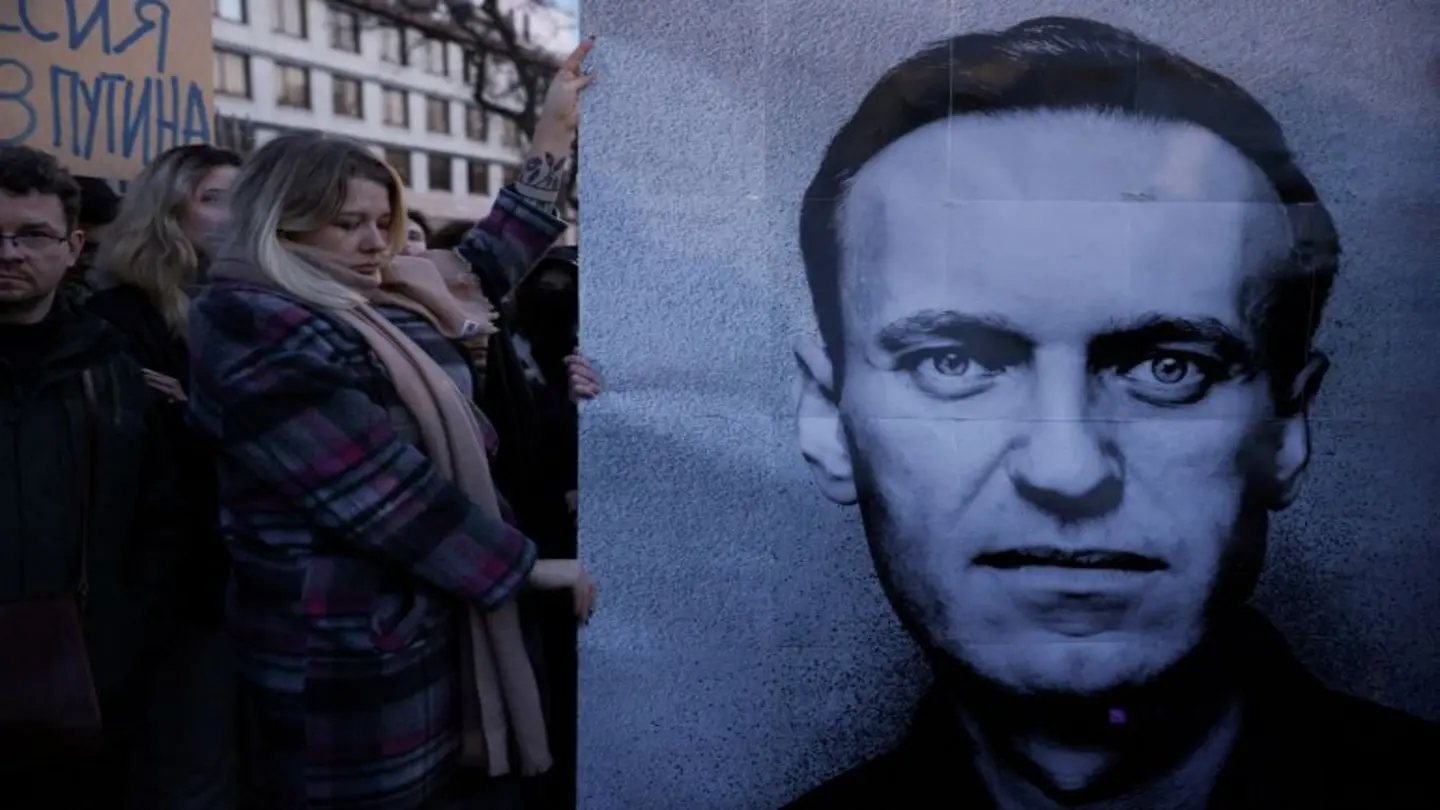
Navalny’s death has sparked widespread outrage both within Russia and internationally. Thousands of protesters took to the streets in cities across Russia, demanding justice and an end to political repression. The Russian government has denied any involvement in Navalny’s death, dismissing the allegations as baseless and politically motivated.
The use of a toxin derived from poison dart frogs is particularly alarming, as it highlights the lengths to which state actors may go to eliminate perceived threats. Poison dart frogs, native to Central and South America, produce toxins that can be lethal in minute quantities. The synthetic variant used in Navalny’s case underscores the advancements in chemical warfare and the challenges in detecting such substances.
International organizations, including the United Nations and the Organization for the Prohibition of Chemical Weapons (OPCW), have called for a thorough investigation into the circumstances surrounding Navalny’s death. The incident has reignited debates about the use of chemical weapons and the need for stricter international regulations to prevent their proliferation.
The diplomatic fallout from Navalny’s assassination is expected to have far-reaching consequences. Western nations are likely to impose additional sanctions on Russia, targeting key sectors of its economy and individuals linked to the Kremlin. The incident may also strain Russia’s relations with countries that have historically maintained a neutral stance on its internal affairs.
As the investigation unfolds, the international community remains divided on how to respond to Russia’s alleged actions. While some nations advocate for a firm and unified approach, others caution against escalating tensions further. The case of Alexei Navalny serves as a stark reminder of the risks faced by political dissidents and the ongoing struggle for democracy and human rights in authoritarian regimes.
Global Reactions and Implications
The assassination of Navalny has drawn condemnation from leaders around the world, with many calling for justice and accountability. In the United States, President Joe Biden described the killing as a ‘barbaric act’ and vowed to hold Russia responsible. European Union officials have also expressed their outrage, with some member states proposing additional sanctions against Russian officials and entities.
The incident has further strained Russia’s already tense relations with the West. Diplomatic channels between Moscow and Western capitals have been severely limited, with both sides trading accusations and counter-accusations. The use of a chemical weapon in this case has raised concerns about the potential for similar attacks in the future, not only in Russia but also in other parts of the world.
For Russia, the fallout from Navalny’s assassination could be significant. The country is already facing economic challenges due to existing sanctions, and further punitive measures could exacerbate its isolation on the global stage. The incident may also embolden opposition movements within Russia, as Navalny’s death has become a rallying cry for those seeking political change.
The international community’s response to this crisis will be closely watched in the coming weeks and months. The effectiveness of diplomatic efforts, the enforcement of sanctions, and the pursuit of justice for Navalny will all play a role in shaping the future of global politics and security.
Image Source: Google | Image Credit: Respective Owner